
Anúncios
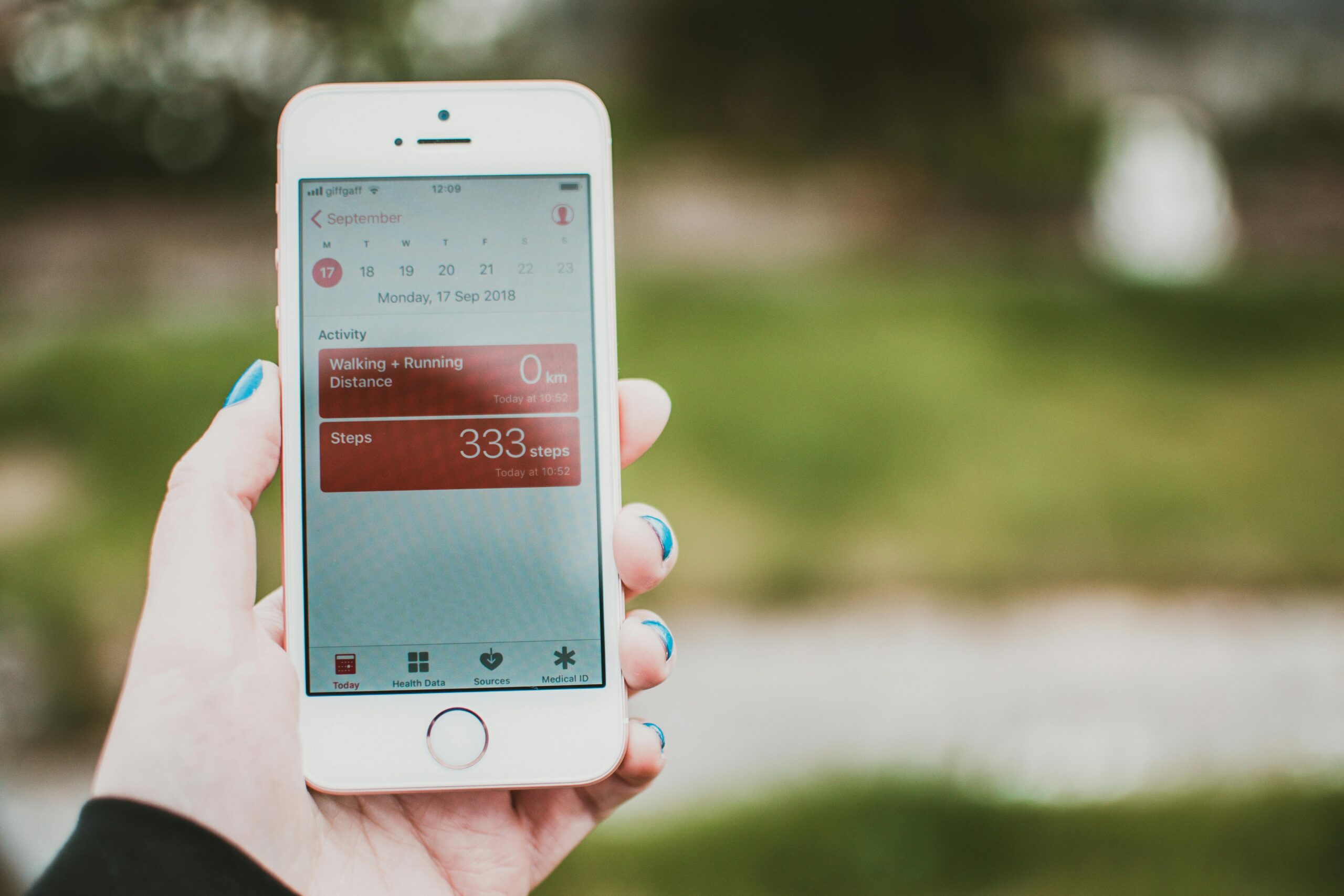
Walking is one of the simplest yet most effective ways to improve your health, and a step counter app can transform this everyday activity into a measurable fitness journey.



In our increasingly sedentary world, tracking your daily steps has become more than just a trend—it’s a powerful tool for accountability and motivation.
Anúncios
Whether you’re aiming for the famous 10,000 steps a day or simply want to move more than yesterday, a walking tracker app serves as your personal fitness companion, right in your pocket.

These apps do far more than count steps. They analyze your walking patterns, calculate calories burned, map your routes, and even connect you with a community of fellow walkers.
Anúncios
The best part? Most of them work seamlessly in the background, requiring minimal effort while delivering maximum insights into your daily activity levels. 🚶♀️
Why Tracking Your Steps Actually Matters for Your Health
The concept of counting steps might seem overly simple, but the science behind it is remarkably solid. Walking is a low-impact cardiovascular exercise that almost anyone can do, regardless of fitness level.
When you track your steps consistently, you create a baseline understanding of your activity patterns and can set realistic goals for improvement.
Research consistently shows that regular walking reduces the risk of heart disease, type 2 diabetes, and certain cancers. It strengthens bones, improves balance, and enhances mental well-being.
A step counter app makes these benefits tangible by showing you exactly how much you’re moving each day.
Beyond physical health, there’s a psychological component at play. Seeing your progress visualized in an app triggers a sense of accomplishment.
Those little notifications celebrating milestone achievements create positive reinforcement loops that encourage you to keep moving. It’s behavioral science working in your favor. 📊
Key Features That Make a Step Counter App Worth Using
Not all walking tracker apps are created equal. The most effective ones combine accuracy with user-friendly design and motivational features that keep you engaged over the long term.
Automatic Step Detection and Background Tracking
The foundation of any good pedometer app is its ability to accurately count steps without draining your battery. Modern apps use your smartphone’s built-in accelerometer and gyroscope to detect motion patterns that indicate walking or running.
The best apps run quietly in the background, automatically tracking your movement throughout the day without requiring you to manually start and stop recording.
Distance and Calorie Calculations
Steps are just the beginning. Quality walking apps convert your step count into meaningful metrics like distance traveled and estimated calories burned.
These calculations take into account your personal data—height, weight, age, and gender—to provide more accurate assessments of your energy expenditure.
Route Mapping with GPS Integration
For those who enjoy outdoor walks, GPS-enabled route tracking adds another dimension to your experience. You can see exactly where you’ve walked, discover new paths in your neighborhood, and revisit favorite routes.
This feature is particularly valuable for people exploring new cities or wanting to add variety to their walking routine. 🗺️
Goal Setting and Progress Tracking
Setting achievable goals is crucial for maintaining motivation. The best step counter apps allow you to customize daily targets and track your progress over time. Weekly and monthly summaries show trends, helping you identify patterns and celebrate improvements.
Some apps even use adaptive goal-setting, gradually increasing your targets as your fitness improves.
Social Features and Challenges
Walking doesn’t have to be a solitary activity. Many apps include social components that let you connect with friends, join walking challenges, and share achievements.
This social accountability can be incredibly motivating—there’s something about friendly competition that pushes you to take those extra steps.
How to Get the Most Accurate Step Count
While modern pedometer apps are impressively accurate, there are ways to ensure you’re getting the most reliable data possible from your walking tracker.
First, make sure you’ve entered accurate personal information in the app settings. Your height and stride length directly affect distance calculations, while weight influences calorie estimates. Keep your profile updated as these metrics change.
Carry your phone consistently in the same place. Most apps are calibrated for pocket or bag carrying, and switching between different carrying methods can affect accuracy.
If you wear your phone in an armband while jogging but keep it in your purse while walking, the motion patterns will vary.
Calibrate your app if possible. Some walking tracker apps offer calibration features where you walk a known distance and the app adjusts its algorithms accordingly. This personalization can significantly improve accuracy. ✅
Be aware of activities that might generate false steps. Driving on bumpy roads, washing dishes, or even animated hand gestures during conversation can sometimes register as steps. Most quality apps filter out these false positives, but it’s good to understand the limitations.
The Truth About the 10,000 Steps Daily Goal
The 10,000 steps target has become ubiquitous in fitness culture, but where did this number come from? Interestingly, it originated from a 1960s Japanese marketing campaign for a pedometer called “Manpo-kei,” which translates to “10,000 steps meter.”
While it wasn’t based on rigorous scientific research initially, subsequent studies have validated it as a reasonable activity target for general health.
That said, the ideal step count varies by individual. For some people, especially those just beginning a fitness journey or dealing with health limitations, 10,000 steps might be unrealistic.
Research shows that even 7,000-8,000 steps daily can provide significant health benefits. The key is consistency and gradual improvement.
Don’t get discouraged if you’re not hitting five figures every day. A step counter app should motivate you, not stress you out. Start where you are, set realistic incremental goals, and celebrate progress.
If you’re currently averaging 3,000 steps, aiming for 4,000 is a perfectly valid and health-promoting goal. 🎯
Turning Daily Walks Into a Sustainable Habit
Having a walking tracker app is one thing; actually using it to build lasting habits is another. Here are strategies to transform step counting from a novelty into a lifestyle.
Start Small and Build Gradually
Habit formation research suggests that small, consistent actions are more sustainable than dramatic changes. If you’re sedentary, don’t suddenly aim for 10,000 steps.
Instead, increase your baseline by 1,000-2,000 steps and maintain that for a few weeks before increasing again.
Schedule Walking Into Your Day
Rather than hoping to accumulate steps organically, intentionally schedule walks. A 10-minute morning walk, a lunchtime stroll, and an evening walk after dinner can easily add 5,000+ steps to your day.
When walking becomes scheduled rather than optional, compliance dramatically increases.
Make It Enjoyable
Walking shouldn’t feel like punishment. Listen to audiobooks, podcasts, or your favorite music. Walk with a friend or family member. Explore new neighborhoods. When you associate walking with pleasure rather than obligation, you’re far more likely to stick with it. 🎧
Use Your App’s Reminders
Most step counter apps offer gentle reminders to move if you’ve been sedentary for too long. Enable these notifications. That midday prompt might be just what you need to take a quick walk around the block and break up prolonged sitting.
Privacy Considerations When Using Walking Apps
With all the benefits of step tracking come legitimate privacy considerations. These apps collect data about your movements, locations, and health metrics. Understanding how this information is used is essential for making informed decisions.
Read the privacy policy before downloading any walking tracker app. Look for transparency about what data is collected, how it’s stored, and whether it’s shared with third parties.
Reputable apps will clearly explain their data practices and give you control over what information is shared.
Consider whether you need GPS tracking enabled constantly. If you primarily walk the same routes or don’t need mapped routes, you can disable location services and still get accurate step counts through your phone’s motion sensors, reducing your data footprint.
Be thoughtful about connecting your pedometer app to social media or sharing real-time location data. While social features can be motivating, they also broadcast your whereabouts and activity patterns.
Adjust privacy settings to share only what you’re comfortable with others seeing. 🔒
Integrating Step Tracking With Broader Fitness Goals
A step counter app works best when it’s part of a comprehensive approach to health and fitness rather than existing in isolation.
Many walking tracker apps integrate with broader health platforms and other fitness apps. This integration allows you to see how your daily steps fit into your overall activity picture, including workouts, sleep quality, nutrition, and more.
A holistic view provides better insights and helps you make more informed decisions about your health.
Consider how walking complements other exercise. While walking is excellent cardiovascular exercise, a complete fitness routine also includes strength training and flexibility work.
Use your step data to ensure you’re getting adequate daily movement, then add other activities to address different fitness components.
Don’t overlook the connection between steps and other health metrics. If you’re also tracking your weight, notice how increased walking correlates with weight changes.
If you monitor sleep, you might discover that days with more steps lead to better sleep quality. These insights help you understand your body’s unique responses. 📈
Overcoming Common Challenges in Step Tracking
Even with the best intentions and a great app, you’ll likely encounter obstacles. Here’s how to address the most common challenges.
Motivation Dips
It’s normal for motivation to fluctuate. When you find yourself caring less about your step count, revisit your “why.” Remind yourself of the health benefits you’re working toward.
Change up your routine—try a new walking route or set a different type of goal. Sometimes joining a challenge with friends reignites enthusiasm.
Weather Limitations
Bad weather can derail outdoor walking plans, but it doesn’t have to stop you entirely. Many people walk indoors at shopping malls, use treadmills, or simply walk around their homes. Your step counter app doesn’t care where the steps happen—they all count toward your total.
Time Constraints
The beauty of walking is that it doesn’t require large time blocks.
Three 10-minute walks provide similar health benefits to one 30-minute walk. Look for opportunities to sneak in steps—parking farther away, taking stairs, walking while on phone calls, or doing laps around your home while waiting for dinner to cook. ⏰
Plateau Effects
If you’ve been consistently hitting your step goals and no longer feel challenged, it’s time to progress. Increase your daily target, add intensity by walking faster or incorporating hills, or set goals for specific types of walks like weekend long-distance walks.
Special Considerations for Different Life Stages
Step tracking benefits people at every age, but the approach should be tailored to individual circumstances.
For older adults, walking is particularly valuable for maintaining mobility, balance, and independence. A pedometer app can help monitor activity levels and provide reassurance to family members.
However, step goals should be realistic and account for any physical limitations. Quality of movement matters as much as quantity.
Parents of young children can use step tracking to ensure they’re staying active despite the chaos of family life. Walking with children in strollers counts, as does the endless steps taken while caring for little ones throughout the day.
Many parents find it motivating to see just how much they’re actually moving during those exhausting early parenting years.
For people with chronic health conditions, walking—and tracking it—can be part of disease management. Always consult with healthcare providers about appropriate activity levels, but for many conditions, regular walking is doctor-recommended. A step counter provides objective data to share with your medical team. 👨⚕️
The Future of Walking Tracker Technology
Step counter apps continue to evolve with advancing technology. Artificial intelligence is making step detection more accurate, better at distinguishing walking from other activities, and more personalized to individual gait patterns.
Integration with wearable devices is becoming more seamless.
While your smartphone can track steps effectively, pairing your walking tracker app with a fitness band or smartwatch often provides even more comprehensive data, including heart rate during walks and more precise distance measurements.
Future developments may include augmented reality features that gamify walking experiences, turning your neighborhood into an interactive environment.
Virtual walking challenges might let you “walk” famous trails worldwide from your local streets, with your app tracking progress toward destinations like hiking the Appalachian Trail or walking across Europe.
Health insights will become more sophisticated, with apps potentially identifying irregular gait patterns that could indicate health issues, or using walking data combined with other metrics to provide early warnings about cardiovascular health or mobility decline.
Making Walking a Lifelong Practice
The ultimate goal of using a step counter app isn’t to obsessively track numbers forever—it’s to establish walking as a natural, enjoyable part of your life that you maintain with or without technology.
Over time, you’ll likely develop an intuitive sense of how much you’ve walked. You might not need to check your app constantly because you’ve internalized what an active day feels like versus a sedentary one.
The app becomes a periodic check-in tool rather than a constant monitor.
That said, many people find that ongoing tracking helps maintain accountability. There’s no shame in continuing to use your walking tracker app indefinitely if it serves you. The goal is finding what works for your personality and lifestyle. 💪
Remember that some days will inevitably have fewer steps than others. Life happens—illness, busy work days, travel, or simply needing rest. A single low-step day doesn’t undo your progress. What matters is the overall pattern over weeks and months.
Walking is one of humanity’s most fundamental movements and one of the best things you can do for your health. A step counter app simply makes this ancient activity more measurable, motivating, and meaningful in our modern lives.
Whether you’re taking your first steps toward a more active lifestyle or you’re a seasoned walker looking to optimize your routine, these apps provide the tools, insights, and encouragement to keep you moving forward—one step at a time.
