
Anúncios
In a world increasingly affected by pollution and environmental degradation, monitoring the quality of air and water has become essential for protecting our health and well-being.


Environmental monitoring applications have emerged as powerful tools that put critical information directly in the palm of your hand.
Anúncios
These innovative platforms combine real-time data, scientific research, and user-friendly interfaces to help individuals make informed decisions about their daily activities and health.
Whether you’re concerned about smog levels in your city, worried about water contamination in your neighborhood, or simply want to stay informed about environmental conditions, these applications offer comprehensive solutions that empower users to take control of their environmental exposure. 🌍
Anúncios
Understanding the Need for Environmental Monitoring Apps 💨
The quality of the air we breathe and the water we drink directly impacts our health, yet these elements are often invisible threats.
Pollutants, toxins, and contaminants can exist at dangerous levels without any visible signs, making it nearly impossible to assess environmental quality without proper tools.
Environmental monitoring applications bridge this gap by collecting data from thousands of sensors, government agencies, and scientific institutions worldwide.
They translate complex environmental data into accessible, actionable information that anyone can understand and use to make better health decisions.
For people with respiratory conditions like asthma or allergies, these apps can be life-changing. They provide advance warning about poor air quality days, allowing users to adjust their outdoor activities accordingly.
Parents can check local conditions before taking children to the park, and athletes can schedule workouts when pollution levels are lowest.
Key Features of Modern Air Quality Monitoring Apps 📱
Today’s air quality applications go far beyond simple pollution readings. They offer comprehensive features designed to provide context, predictions, and personalized recommendations based on your specific needs and location.
Real-Time Air Quality Index (AQI) Readings
The Air Quality Index is a standardized measurement that translates complex pollutant concentrations into a simple numerical scale.
Most applications display AQI readings with color-coded indicators that make it easy to understand at a glance whether the air quality is good, moderate, unhealthy, or hazardous.
These readings typically include measurements for multiple pollutants including particulate matter (PM2.5 and PM10), ozone, nitrogen dioxide, sulfur dioxide, and carbon monoxide.
Each pollutant poses different health risks, and comprehensive apps break down the specific levels of each contaminant.
Location-Based Monitoring and Mapping
Advanced air monitoring apps use GPS technology to provide hyper-local data specific to your exact location. This precision matters because air quality can vary significantly even within the same city based on factors like traffic patterns, industrial activity, and geographical features.
Interactive maps allow users to visualize pollution patterns across regions, identify hotspots, and find areas with cleaner air.
Some applications even offer crowd-sourced data from personal monitoring devices, creating dense networks of monitoring points that provide unprecedented detail.
Forecasting and Trend Analysis 📊
Just like weather forecasts, air quality predictions help you plan ahead. These forecasts use historical data, current conditions, weather patterns, and atmospheric models to predict pollution levels hours or days in advance.
Trend analysis features show how air quality has changed over time in your area, helping identify seasonal patterns or long-term improvements or deterioration in environmental conditions.
Water Quality Monitoring: Protecting Your Most Essential Resource 💧
While air quality apps have gained significant popularity, water monitoring applications are equally important for protecting public health. Clean water is fundamental to human survival, yet contamination issues frequently go unnoticed until they become serious health hazards.
Water quality apps serve multiple purposes, from tracking municipal water safety reports to monitoring natural water bodies for recreational safety. They provide information about contaminants, treatment processes, and potential risks associated with specific water sources.
Tracking Municipal Water Quality
Many water monitoring applications compile data from public water systems, making information about your tap water easily accessible. These apps display test results for common contaminants including lead, bacteria, chlorine, pesticides, and pharmaceutical residues.
Users can often search by zip code or water utility provider to access detailed reports about their local water supply. This transparency empowers consumers to understand exactly what’s in their drinking water and make informed decisions about filtration or bottled water use.
Recreational Water Safety Information 🏊
For swimmers, surfers, and beachgoers, apps that monitor recreational water quality provide critical safety information. These platforms track bacteria levels, algae blooms, sewage spills, and other hazards that can make swimming dangerous.
Beach water quality can change rapidly due to rainfall, runoff, or sewage overflows. Real-time monitoring helps users avoid exposure to waterborne pathogens that can cause illness, particularly in vulnerable populations like children and elderly individuals.
Environmental Conservation and Citizen Science
Many water quality apps incorporate citizen science features that allow users to contribute their own observations and test results.
This crowd-sourced approach dramatically expands monitoring coverage, particularly for rivers, lakes, and streams that may not be regularly tested by government agencies.
Participants can log information about water clarity, temperature, wildlife observations, and pollution incidents. This grassroots data collection supports environmental research and helps identify emerging problems before they become crises.
Health Implications and Personalized Recommendations 🏥
Understanding environmental data is only valuable if you know how it affects your health and what actions to take. Modern monitoring applications excel at translating raw data into personalized health guidance.
These apps often include health advisory features that provide specific recommendations based on current conditions and your personal health profile.
Users can input information about respiratory conditions, cardiovascular health, age, and activity levels to receive customized advice.
For instance, someone with asthma might receive an alert to use their inhaler preventatively on high-pollution days, while a marathon runner might get suggestions to schedule training runs during early morning hours when ozone levels are typically lower.
Vulnerable Population Protection
Certain groups face higher risks from environmental pollution, including children, pregnant women, elderly individuals, and people with pre-existing health conditions.
Monitoring apps increasingly offer specialized modes or filters designed specifically for these vulnerable populations.
Parents can set up notifications with lower threshold levels to receive earlier warnings about conditions that might affect their children’s health.
Similarly, elderly users can receive more conservative recommendations about outdoor activities during marginal air quality conditions.
Technology Behind Environmental Monitoring Apps 🔬
The effectiveness of environmental monitoring applications depends on sophisticated technology infrastructure that collects, processes, and delivers data to users in real-time.
Sensor Networks and Data Collection
Most applications aggregate data from extensive networks of monitoring stations operated by government environmental agencies, research institutions, and private organizations.
These stations use calibrated scientific instruments to measure pollutant concentrations with high accuracy.
Increasingly, apps also incorporate data from low-cost personal sensors that individuals can purchase for their homes.
While these consumer devices may be less precise than regulatory monitors, they provide valuable supplementary data and empower users to track conditions in their immediate environment.
Satellite and Remote Sensing Technology
Advanced monitoring platforms integrate satellite imagery and remote sensing data to track large-scale environmental phenomena like wildfire smoke, dust storms, and algae blooms. This orbital perspective provides coverage in areas without ground-based sensors.
Satellite data also helps predict how pollution plumes will move based on wind patterns and atmospheric conditions, improving forecast accuracy and early warning capabilities.
Artificial Intelligence and Machine Learning 🤖
Cutting-edge environmental apps employ AI algorithms to analyze vast amounts of historical and real-time data, identifying patterns that improve prediction models.
Machine learning systems can recognize correlations between weather conditions, traffic patterns, industrial activity, and pollution levels to generate increasingly accurate forecasts.
These intelligent systems also personalize user experiences by learning individual preferences, activity patterns, and health concerns to deliver more relevant notifications and recommendations over time.
Choosing the Right Monitoring App for Your Needs ✅
With numerous environmental monitoring applications available, selecting the right one depends on your specific concerns, location, and how you plan to use the information.
Consider Your Primary Concerns
If air quality is your main focus, look for apps with comprehensive AQI data, detailed pollutant breakdowns, and robust forecasting features. For water quality concerns, prioritize apps that cover your specific water source, whether municipal tap water or recreational water bodies.
Some applications specialize in specific pollutants or environmental hazards. For example, pollen tracking apps focus on allergen levels, while apps designed for outdoor athletes might emphasize ozone and particulate matter that affect exercise performance.
Geographic Coverage and Data Quality
Verify that your chosen app provides reliable data for your geographic area. Some applications offer excellent coverage in certain countries or regions but limited data elsewhere. Check user reviews from people in your area to assess data quality and update frequency.
Apps that clearly identify their data sources and update frequencies tend to be more trustworthy. Look for platforms that use government-certified monitoring stations as their primary data sources.
User Interface and Accessibility
The best environmental data is useless if presented in a confusing or overwhelming interface. Test different apps to find one with a layout that makes sense to you, with information presented clearly and accessible features for checking conditions quickly.
Consider notification settings and customization options. The ability to set personalized alert thresholds ensures you receive warnings relevant to your health needs without being bombarded by unnecessary notifications.
Taking Action Based on Monitoring Data 🎯
Environmental monitoring applications are most valuable when you use the information to make practical decisions that protect your health and well-being.
Adjusting Outdoor Activities
When air quality reaches unhealthy levels, consider postponing strenuous outdoor activities, especially during peak pollution hours in the late afternoon.
Indoor exercise alternatives, air-filtered spaces, or scheduling activities during early morning hours when pollution is typically lower can help maintain your fitness routine while minimizing exposure.
For water activities, check recreational water quality reports before swimming and avoid entering water immediately after heavy rainfall when bacteria levels often spike due to runoff.
Improving Indoor Air Quality
Monitoring apps help you decide when to keep windows closed during high outdoor pollution and when to ventilate your home with fresh air.
Some apps provide indoor air quality monitoring if paired with compatible sensors, allowing you to track the effectiveness of air purifiers and ventilation strategies.
Advocacy and Community Engagement 🌱
Environmental data from monitoring apps can support community advocacy efforts for cleaner air and water.
Documenting persistent pollution problems with app data provides evidence that can inform policy discussions, motivate regulatory action, and hold polluters accountable.
Many apps include features for reporting pollution events directly to authorities or sharing information with community groups working on environmental issues.
The Future of Environmental Monitoring Technology 🚀
Environmental monitoring applications continue to evolve rapidly with advancing technology offering exciting possibilities for more comprehensive, accurate, and accessible environmental tracking.
Integration with Smart Home Systems
Future apps will increasingly integrate with smart home devices, automatically adjusting air purifiers, ventilation systems, and water filtration based on real-time environmental data.
Your home could respond automatically to external conditions, creating a protective indoor environment without manual intervention.
Expanded Pollutant Coverage
As sensor technology becomes more sophisticated and affordable, monitoring apps will track a broader range of environmental factors including noise pollution, light pollution, electromagnetic radiation, and emerging contaminants that current systems don’t measure.
Blockchain for Data Integrity
Some developers are exploring blockchain technology to ensure environmental data integrity and prevent manipulation, creating immutable records of environmental conditions that can support legal and regulatory actions.
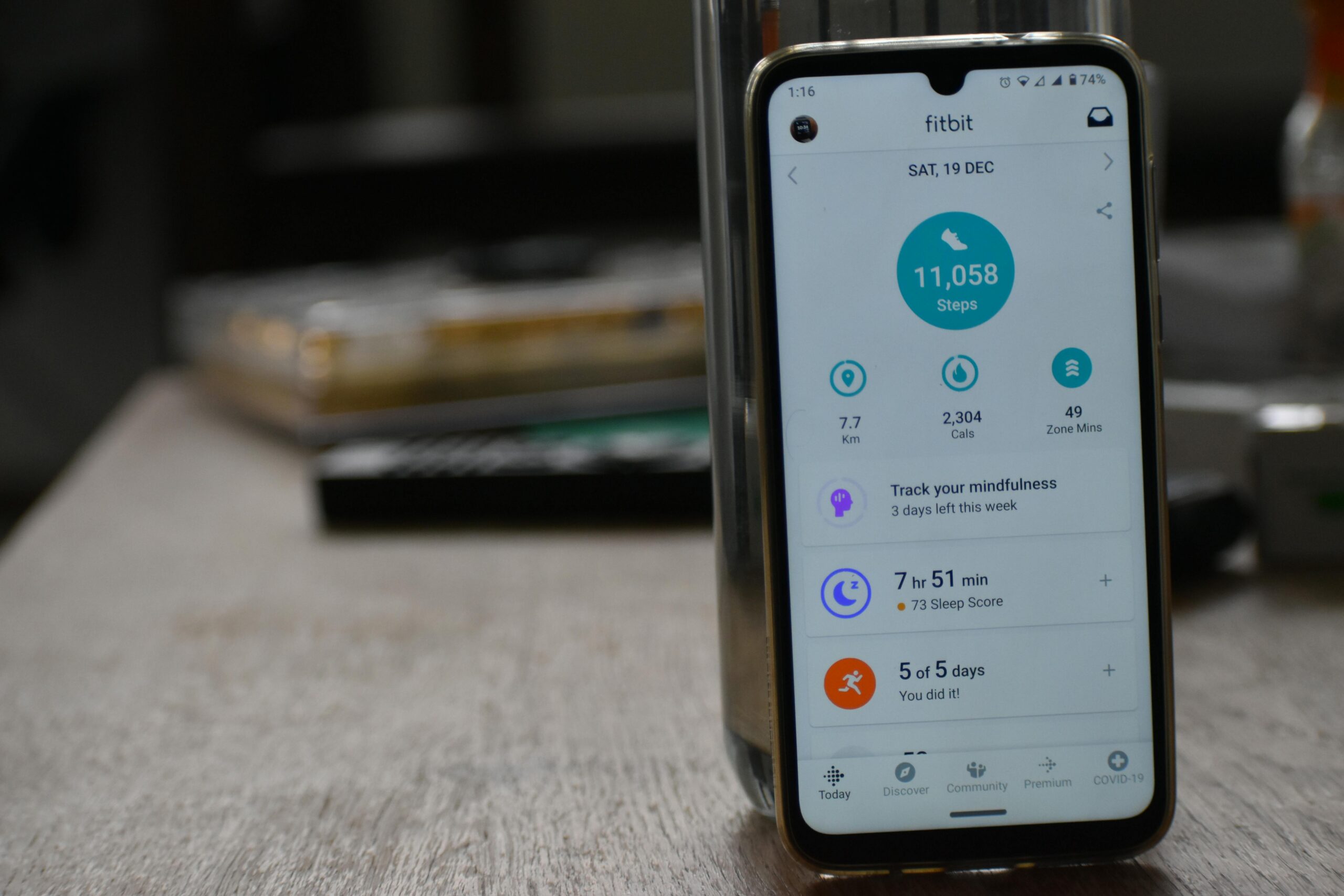
Empowering Personal and Community Health Through Information 💪
Environmental monitoring applications represent a democratization of information that was once available only to scientists and regulators.
By making complex environmental data accessible and understandable, these tools empower individuals to take control of their health in ways that weren’t possible just a decade ago.
The simple act of checking an app before your morning run or verifying water quality before filling your child’s water bottle represents a fundamental shift in how we engage with our environment.
We’re no longer passive recipients of whatever environmental conditions exist around us, but informed decision-makers who can adapt our behaviors to minimize risks.
As these applications continue to improve and expand their capabilities, they’ll play an increasingly important role in public health protection and environmental conservation.
The data they provide not only protects individual users but contributes to broader understanding of environmental trends and the effectiveness of pollution control measures.
Whether you’re concerned about respiratory health, protecting your family, or simply curious about your environmental surroundings, monitoring apps offer valuable insights that can genuinely improve your quality of life.
The technology continues to advance, making environmental awareness more accessible, accurate, and actionable with each passing year. 🌎
