
Anúncios
GPS apps have transformed how we navigate the world, making it easier than ever to find directions, explore new places, and reach destinations efficiently.



Whether you’re commuting to work, planning a road trip, or exploring a foreign city, GPS applications have become indispensable tools in our daily lives.
Anúncios
They offer real-time traffic updates, alternative routes, and even recommendations for nearby restaurants and attractions.

The evolution of GPS technology has been remarkable, progressing from bulky standalone devices to sophisticated smartphone applications that fit in your pocket.
Anúncios
Today’s GPS apps combine satellite navigation with crowd-sourced data, artificial intelligence, and detailed mapping to provide unparalleled accuracy and functionality.
📍 Understanding How GPS Applications Work
GPS apps rely on a network of satellites orbiting Earth to pinpoint your exact location. Your smartphone receives signals from multiple satellites, calculating distance and triangulating your position with impressive precision.
This technology, originally developed for military purposes, is now accessible to anyone with a smartphone.
Modern GPS applications enhance basic satellite positioning with additional data sources.
They integrate cellular tower information, Wi-Fi network locations, and accelerometer data to improve accuracy, especially in urban environments where tall buildings can interfere with satellite signals.
The real magic happens when these apps combine location data with extensive map databases. Companies invest millions in mapping roads, buildings, landmarks, and even indoor spaces.
This comprehensive information makes it possible for apps to provide turn-by-turn directions, estimated arrival times, and detailed visual guidance.
🚗 Popular GPS Apps and Their Unique Features
The market offers numerous GPS applications, each with distinctive features tailored to different user needs.
Google Maps stands as the most widely used navigation app globally, offering comprehensive coverage across countries and continents.
Its integration with Google’s vast data ecosystem provides restaurant reviews, business hours, and real-time traffic conditions.
Waze takes a community-driven approach, relying on millions of users to report accidents, police presence, road hazards, and traffic jams in real time.
This crowdsourced information makes Waze particularly effective for daily commuters who need to avoid delays and find the fastest routes.
Apple Maps has evolved significantly since its rocky launch, now offering features like detailed 3D city views, indoor mall navigation, and seamless integration with the Apple ecosystem.
For iPhone users, it provides a smooth, privacy-focused navigation experience with excellent voice guidance.
Specialized apps like HERE WeGo offer offline map downloads for travelers visiting areas with limited internet connectivity.
This feature proves invaluable when exploring remote regions or traveling internationally without expensive roaming charges.
🌟 Key Features That Define Modern GPS Apps
Today’s navigation applications go far beyond simple point-to-point directions. They’ve evolved into comprehensive travel companions that enhance every aspect of your journey.
- Real-time traffic updates: Monitor congestion and receive automatic route adjustments to avoid delays
- Voice-guided navigation: Keep your eyes on the road with clear spoken directions
- Offline maps: Download regions for use without internet connection
- Multi-stop routing: Plan efficient routes with multiple destinations
- Alternative transportation modes: Access directions for walking, cycling, public transit, and ride-sharing
- Speed limit warnings: Stay informed about road regulations
- Lane guidance: Know which lane to use for upcoming turns
- Points of interest: Discover restaurants, gas stations, ATMs, and attractions along your route
🛣️ Benefits of Using GPS Apps for Daily Navigation
The advantages of GPS applications extend well beyond simply finding your way from point A to point B. These tools have fundamentally changed how we interact with our surroundings and plan our travels.
Time savings represent one of the most significant benefits. By analyzing traffic patterns and current conditions, GPS apps help you avoid congestion and reach destinations faster.
Studies show that drivers using navigation apps save an average of 20-30 minutes daily on their commutes.
Fuel efficiency improves when you take optimized routes that minimize unnecessary driving. Avoiding traffic jams means less idling in congestion, which translates to lower fuel consumption and reduced emissions.
Some apps even calculate the most fuel-efficient route based on elevation changes and road types.
Stress reduction is another valuable benefit. Knowing exactly where you’re going, when you’ll arrive, and what traffic conditions to expect eliminates the anxiety associated with unfamiliar routes or potential delays.
This peace of mind makes driving more enjoyable and safer.
💡 GPS Apps for Different User Scenarios
Different situations call for different navigation approaches, and modern GPS apps cater to various use cases with specialized features.
For daily commuters, apps that learn your regular routes and automatically notify you of traffic problems before you leave home provide tremendous value.
They can suggest departure times to avoid rush hour or recommend alternative routes when your usual path is congested.
Road trippers benefit from features like trip planning, scenic route options, and integration with travel guides.
Some apps let you save favorite locations, create custom maps with highlighted points of interest, and share itineraries with travel companions.
Business travelers appreciate integration with calendar apps, which can automatically add navigation to scheduled meetings and appointments.
Quick access to airport terminals, hotel addresses, and conference venues streamlines professional travel.
Outdoor enthusiasts need GPS apps with topographic maps, trail information, and offline functionality.
Specialized hiking and cycling apps provide elevation profiles, distance tracking, and safety features for remote areas.
🔒 Privacy and Data Considerations
While GPS apps offer incredible convenience, they also collect significant amounts of location data.
Understanding how this information is used and protected is essential for making informed choices about which apps to use.
Most navigation apps store your location history to improve service quality and provide personalized recommendations.
This data helps predict traffic patterns, suggest relevant businesses, and remember your frequent destinations. However, this information is also valuable for advertising purposes.
Different apps take varying approaches to privacy. Apple Maps emphasizes privacy by using on-device processing and randomized identifiers, making it difficult to trace searches back to individual users.
Google Maps offers detailed privacy controls but collects more data to power its comprehensive ecosystem of services.
Users can take steps to protect their privacy while still enjoying navigation benefits. Most apps allow you to disable location history, delete past data, and control which permissions the app can access.
Reading privacy policies and adjusting settings according to your comfort level is recommended.
🌐 GPS Technology and Future Innovations
The future of GPS applications promises even more impressive capabilities as technology continues advancing.
Augmented reality navigation is already emerging, overlaying directional arrows and information onto real-world views through your smartphone camera.
Artificial intelligence will make predictions more accurate, learning individual preferences and adapting suggestions accordingly.
Apps might recommend leaving earlier based on your punctuality history or suggest stops based on your past behavior and current needs.
Integration with autonomous vehicles will transform GPS apps from navigation tools into comprehensive mobility platforms.
They’ll coordinate with self-driving cars, public transit systems, and ride-sharing services to provide seamless multimodal transportation options.
Indoor positioning technology is improving rapidly, enabling accurate navigation inside shopping malls, airports, stadiums, and office buildings.
This expansion beyond outdoor navigation will make GPS apps useful in even more situations.
🚀 Emerging Features on the Horizon
Innovation in navigation technology continues at a rapid pace, with several exciting developments currently in testing or early deployment.
Environmental routing considers factors like air quality, noise levels, and green spaces when suggesting paths, appealing to health-conscious users.
Some apps are experimenting with “happiness routes” that prioritize scenic beauty over pure efficiency.
Social features are expanding beyond simple location sharing.
Users can create groups for coordinating meetups, share real-time arrival estimates with friends, and discover places that match group preferences through collective recommendations.
Predictive departure reminders analyze your calendar, current location, traffic conditions, and historical travel times to notify you exactly when to leave for appointments.
This proactive approach reduces stress and late arrivals.
📱 Maximizing Your GPS App Experience
Getting the most from your navigation app requires more than just entering a destination and following directions. Several strategies can enhance accuracy, save battery life, and unlock hidden features.
Keep your app updated to access the latest features, map data, and performance improvements. Developers constantly refine algorithms, fix bugs, and add functionality through regular updates.
Download offline maps for areas you frequent or plan to visit. This preparation ensures navigation remains available even without cellular coverage, and it reduces data usage while improving response times.
Customize settings to match your preferences. Adjust voice volume, choose preferred routes (fastest, shortest, or avoiding highways), and set up favorite locations for quick access. Taking time to explore settings reveals useful options many users overlook.
Provide feedback when you notice map errors or outdated information. Most apps include easy reporting tools, and user contributions help improve accuracy for everyone.
Your reports about road closures, new businesses, or incorrect addresses make the service better.
🌍 GPS Apps for International Travel
Navigation apps prove especially valuable when traveling abroad, helping you navigate unfamiliar cities, overcome language barriers, and discover local attractions without getting lost.
Before traveling internationally, download offline maps for your destination regions. This preparation eliminates reliance on expensive international data plans or spotty Wi-Fi connections.
Most major GPS apps allow downloading entire countries or regions for offline use.
Language support varies between apps, so verify that your chosen application provides navigation in a language you understand.
Many apps offer voice guidance in dozens of languages, and some can display map labels in both local and your native language simultaneously.
Currency conversion, unit preferences, and local search capabilities make certain apps more suitable for international use.
Research which app provides the best coverage and features for your specific destination before departing.
Safety features become particularly important when traveling abroad. Apps that work offline, show embassy locations, and provide emergency contact information offer peace of mind in unfamiliar territories.
⚡ Troubleshooting Common GPS App Issues
Despite their sophistication, GPS apps occasionally encounter problems. Understanding common issues and their solutions helps you stay on course even when technology hiccups occur.
Poor GPS signal affects accuracy, causing apps to show incorrect locations or slow position updates. This issue often occurs near tall buildings, under heavy tree cover, or inside vehicles with metallic window tinting.
Moving to an open area usually resolves the problem quickly.
Battery drain is a frequent complaint about navigation apps. Continuous GPS usage, screen brightness, and data connections consume power rapidly.
Solutions include using a car charger, reducing screen brightness, and closing unnecessary background apps.
Outdated maps lead to incorrect directions or missing roads.
Regular updates typically handle this automatically, but you can manually trigger map updates in app settings if you notice persistent errors in areas you know have changed.
Slow performance might indicate insufficient phone storage, too many background apps, or outdated software.
Clearing cache, closing unused apps, and updating both the navigation app and your phone’s operating system usually restore smooth operation.
🎯 Choosing the Right GPS App for Your Needs
With numerous navigation options available, selecting the best app for your specific requirements involves considering several factors beyond basic functionality.
Coverage area matters significantly if you travel internationally or visit rural regions. While major apps cover most of the world, some provide more detailed information for specific countries or regions. Research coverage for areas you frequently visit.
Feature sets vary considerably between apps. Consider which capabilities matter most to you: real-time traffic updates, offline functionality, cycling directions, public transit integration, or social features.
No single app excels in every category, so prioritize your needs.
User interface design affects daily usability more than you might expect. An app with powerful features becomes frustrating if you can’t access them easily.
Try several options to find one with an interface that feels intuitive and matches your usage patterns.
Privacy policies and data handling practices should influence your decision, especially if you’re concerned about location tracking and advertising.
Apps with stronger privacy protections typically collect less data but might offer fewer personalized features.
Battery efficiency varies between apps, and this difference becomes significant for heavy users.
Some navigation apps optimize background processes better than others, extending battery life during long trips without sacrificing core functionality.
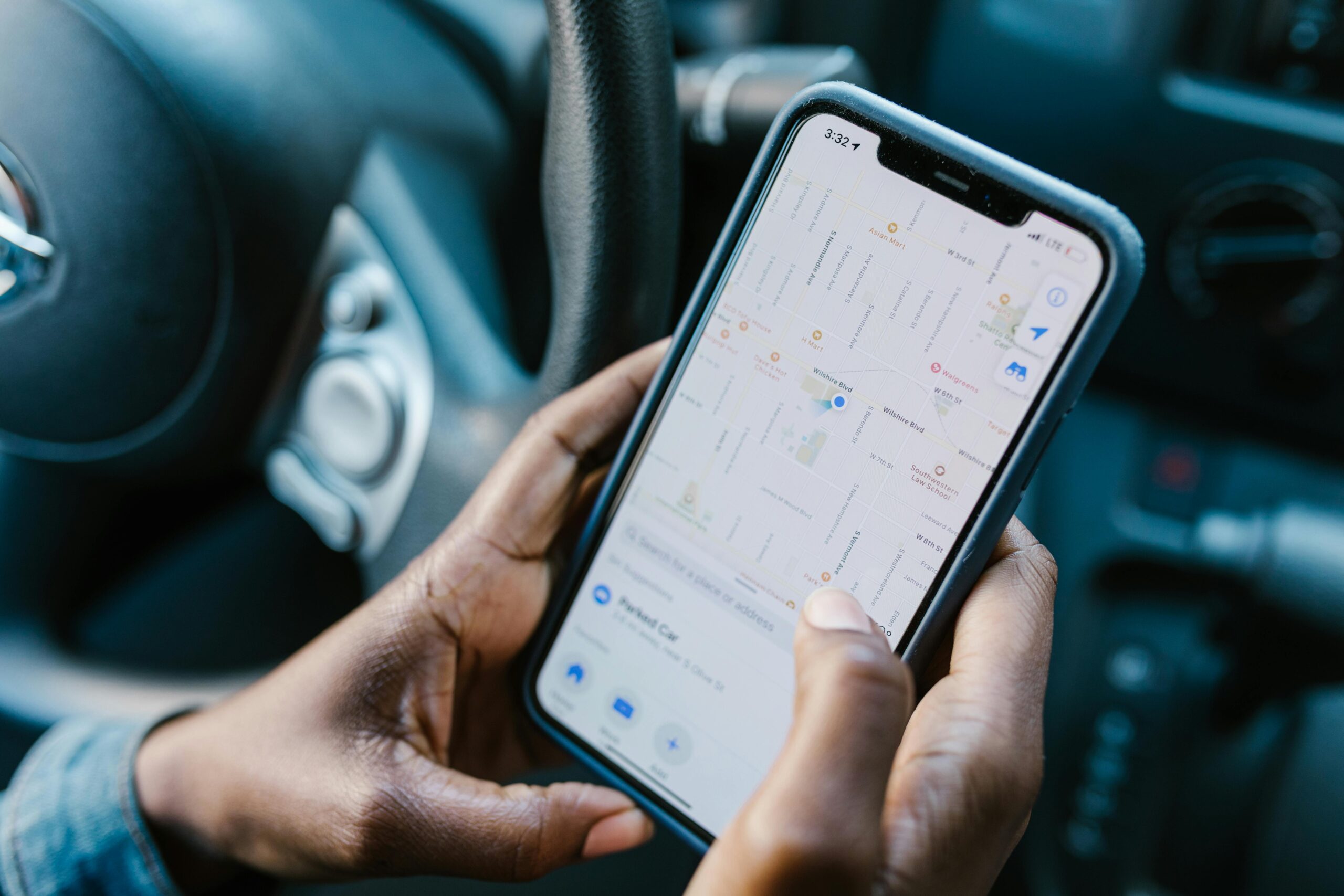
✨ Enhancing Safety with GPS Navigation
Beyond convenience, GPS apps contribute significantly to road safety by helping drivers stay focused, informed, and prepared for changing conditions.
Voice guidance allows drivers to keep their eyes on the road instead of glancing at screens.
Clear spoken directions eliminate the need for visual confirmation at every turn, reducing distraction and improving reaction times to road conditions.
Speed limit displays help drivers maintain legal speeds, especially in unfamiliar areas where posted signs might be missed. Some apps provide audible warnings when you exceed limits, promoting safer driving habits.
Hazard alerts from crowd-sourced apps warn of accidents, road debris, stopped vehicles, and other dangers ahead. This advance notice gives drivers time to slow down, change lanes, or take alternative routes, preventing potential collisions.
Emergency location sharing features let you quickly send your exact coordinates to emergency services or contacts if you need assistance. This capability proves invaluable during accidents, breakdowns, or medical emergencies in unfamiliar locations.
The impact of GPS applications on modern life cannot be overstated. These tools have fundamentally transformed navigation, making it more accessible, efficient, and stress-free than ever before.
As technology continues advancing, we can expect even more impressive capabilities that further enhance our ability to explore and navigate our world with confidence.
Whether you’re a daily commuter, frequent traveler, or occasional driver, GPS apps offer invaluable assistance that makes every journey smoother and more enjoyable.
