
Throughout history, humanity has been captivated by places deemed off-limits, where legends intertwine with reality and curiosity meets danger.

These forbidden territories exist across our planet—guarded military installations, sacred religious sites, hazardous environmental zones, and unexplored wilderness areas that challenge our understanding of what lies beyond established boundaries. The allure of these restricted places stems not merely from their inaccessibility, but from the profound human desire to uncover what has been deliberately concealed or naturally protected from our reach.
The concept of forbidden territories encompasses far more than physical barriers and warning signs. These locations represent the intersection of mystery, danger, cultural significance, and sometimes governmental secrecy. They spark our imagination and fuel countless theories about what might be hidden within their borders. From ancient temples sealed for millennia to modern research facilities operating behind layers of security clearance, these places continue to captivate explorers, researchers, and curious minds worldwide.
🗺️ The Psychology Behind Our Fascination With Restricted Places
Human psychology plays a fundamental role in our attraction to forbidden zones. The phenomenon known as “psychological reactance” explains why restrictions often intensify our desire to access what has been denied. When something becomes prohibited, it automatically gains perceived value in our minds, transforming ordinary locations into extraordinary destinations worthy of risk and investigation.
This fascination runs deeper than simple rebellion against authority. Forbidden territories represent ultimate frontiers—final bastions of genuine mystery in an increasingly mapped and documented world. In an age where satellite imagery can reveal almost any corner of Earth, places that remain genuinely unknown or restricted become increasingly precious to those who crave authentic discovery.
Anthropologists suggest this attraction connects to our evolutionary heritage. Our ancestors who possessed strong curiosity and exploration instincts were more likely to discover new resources, territories, and opportunities for survival. This genetic predisposition toward exploration remains encoded in our behavioral patterns, manifesting as an irresistible pull toward the unknown and forbidden.
🏛️ Ancient Forbidden Sites That Guard Historical Mysteries
Throughout civilizations, certain locations have been deliberately restricted to protect sacred knowledge, preserve cultural heritage, or maintain religious sanctity. These ancient forbidden territories often contain archaeological treasures and spiritual significance that transcend their physical boundaries.
The Sealed Chambers of the Egyptian Pyramids
Despite centuries of exploration, the Great Pyramid of Giza continues to reveal hidden chambers and passages. Modern scanning technology has detected void spaces whose contents remain unknown. These sealed areas spark theories ranging from undiscovered burial chambers to repositories of ancient knowledge. Egyptian authorities strictly control access to these newly discovered spaces, creating contemporary forbidden zones within ancient structures.
The restriction serves multiple purposes: preservation of fragile artifacts, prevention of looting, and maintenance of scientific integrity during investigation. Yet each sealed chamber represents a tantalizing mystery—what knowledge did the ancient architects deliberately hide, and why does it remain concealed after millennia?
Lascaux Caves: Protected Prehistoric Art
The Lascaux Caves in France contain some of humanity’s oldest artistic expressions, dating back approximately 17,000 years. However, these magnificent prehistoric paintings are now completely closed to public access. After opening to tourists in 1948, the caves suffered severe deterioration from carbon dioxide, humidity, and microorganisms introduced by human visitors.
This prohibition transformed Lascaux into a forbidden territory, accessible only through replica caves constructed nearby. The original site remains sealed, monitored by sophisticated systems, with extremely limited access granted only to conservators and researchers. The restriction protects irreplaceable cultural heritage while simultaneously creating an aura of mystery around what can no longer be directly experienced.
🔒 Modern Military Zones Shrouded in Secrecy
Contemporary forbidden territories often involve military installations where national security concerns justify extreme restrictions. These locations fuel speculation about technological developments, experimental projects, and classified operations conducted beyond public scrutiny.
Area 51: The World’s Most Famous Restricted Zone
No discussion of forbidden territories would be complete without addressing Area 51, the Nevada military installation that has become synonymous with government secrecy and extraterrestrial speculation. Officially known as Groom Lake or Homey Airport, this facility has been the subject of countless conspiracy theories, documentaries, and popular culture references.
The extreme security measures surrounding Area 51—including restricted airspace, armed guards, and severe legal consequences for trespassing—have transformed it into the ultimate modern forbidden territory. While the U.S. government now acknowledges its existence, the specific activities conducted there remain classified. Defense analysts suggest the facility tests experimental aircraft and weapons systems, explaining both the secrecy and the unusual sightings reported in the vicinity.
The mythology surrounding Area 51 demonstrates how restricted access amplifies speculation. In the absence of verifiable information, human imagination fills the void with increasingly elaborate theories. This phenomenon occurs across forbidden territories worldwide, where secrecy breeds mystery and mystery attracts attention.
Closed Cities of the Former Soviet Union
During the Cold War, the Soviet Union established numerous “closed cities”—entire urban areas erased from maps and forbidden to outsiders. These locations housed nuclear research facilities, biological weapons development sites, and strategic military installations. Residents lived in communities that officially didn’t exist, requiring special permits even to enter their own homes.
Many of these closed cities remain restricted today, though some have gradually opened to limited access. The secrecy surrounding these territories created information vacuums that continue to generate questions about what occurred within their boundaries and what hazardous legacies might remain.
☢️ Environmental Hazards Creating Unintentional Forbidden Zones
Not all forbidden territories result from deliberate human restriction. Some locations become inaccessible due to environmental catastrophes, creating zones where nature itself enforces the boundaries through radiation, toxic contamination, or other hazards.
Chernobyl Exclusion Zone: Frozen in Catastrophe
The 1986 Chernobyl nuclear disaster created one of the most significant forbidden territories of modern times. The Exclusion Zone extends approximately 30 kilometers around the failed reactor, encompassing abandoned cities, villages, and agricultural lands that remain contaminated with radioactive materials.
While strictly controlled tours now operate in certain areas, large sections remain genuinely forbidden due to dangerous radiation levels. The zone represents a unique temporal capsule—a snapshot of Soviet life suddenly abandoned and preserved through enforced exclusion. Nature has reclaimed these human spaces, creating an eerie landscape where the normal rules of access and habitation no longer apply.
The Chernobyl Exclusion Zone demonstrates how human catastrophe can create unintentional forbidden territories. These spaces serve as warnings, reminders of technological failures, and simultaneously as subjects of morbid fascination for those drawn to dark tourism and abandoned places.
Ilha da Queimada Grande: Snake Island
Off the coast of Brazil lies Ilha da Queimada Grande, known as Snake Island, which harbors one of the world’s highest concentrations of venomous snakes. The island hosts the critically endangered golden lancehead viper, whose venom can cause death within hours. The Brazilian government has declared the island off-limits to protect both the snake population and potential visitors.
This naturally occurring forbidden territory illustrates how environmental factors can create effective barriers to human access. Unlike military installations with guards and fences, Snake Island’s restrictions are enforced by biological reality—the genuine danger posed by its inhabitants makes the prohibition both necessary and largely self-enforcing.
🕌 Sacred Territories Protected by Religious and Cultural Traditions
Many forbidden territories derive their restricted status from spiritual significance rather than physical danger or governmental authority. These sacred spaces reflect deeply held beliefs about sanctity, purity, and the proper relationship between humanity and the divine.
Mount Athos: The Autonomous Monastic State
The Holy Mountain of Athos in Greece represents one of Christianity’s most significant spiritual centers and one of its most restricted territories. This autonomous monastic community has maintained its traditions for over a millennium, including a prohibition against women entering the peninsula—a restriction that extends to female animals in most cases.
Access requires special permits limited to a small number of male visitors daily. The restriction preserves the contemplative atmosphere and traditional practices of the twenty monasteries inhabiting this sacred landscape. Mount Athos demonstrates how religious conviction creates and maintains forbidden territories through centuries of unwavering adherence to spiritual principles.
Sacred Aboriginal Sites in Australia
Indigenous Australian cultures designate certain locations as sacred sites where traditional laws restrict access based on gender, initiation status, or tribal affiliation. These restrictions reflect complex spiritual beliefs about the land’s significance and the proper protocols for approaching places of power and ancestral presence.
Australian law increasingly recognizes and protects these cultural restrictions, creating legally enforced forbidden territories based on Indigenous sovereignty and spiritual traditions. These sites challenge Western assumptions about universal access to natural landscapes, asserting alternative frameworks for understanding place, sanctity, and appropriate human interaction with the environment.
🌊 Unexplored Frontiers Beyond Human Reach
Some forbidden territories remain inaccessible not due to human restriction but because of technological limitations, extreme environments, or geographical isolation that defies practical exploration.
The Depths of Oceanic Trenches
The deepest parts of Earth’s oceans represent forbidden territories of a different order—places where extreme pressure, complete darkness, and technological challenges create barriers to exploration more formidable than any human-made restriction. The Mariana Trench, reaching depths of nearly 11,000 meters, has been visited by fewer people than have walked on the moon.
These abyssal zones harbor ecosystems that evolved in complete isolation from surface life, possibly containing organisms whose biochemistry differs fundamentally from known biology. The ocean depths remain largely unmapped and unexplored, representing vast forbidden territories that continue to conceal secrets about life’s diversity and the planet’s geological processes.
Antarctic Subglacial Lakes
Beneath Antarctica’s massive ice sheets lie hundreds of lakes that have been sealed from the atmosphere for millions of years. These subglacial water bodies represent isolated ecosystems that may harbor unique microbial life adapted to extreme conditions of cold, darkness, and pressure.
Lake Vostok, the largest known subglacial lake, lies beneath nearly four kilometers of ice. Scientists have developed protocols for accessing these environments without contamination, but the technical challenges and environmental concerns create practical restrictions on exploration. These frozen frontier zones may hold clues to life’s adaptability and even provide insights into potential life forms on icy moons elsewhere in the solar system.
🔍 The Ethics of Exploring Forbidden Spaces
The existence of forbidden territories raises important ethical questions about access, knowledge, preservation, and respect for boundaries. Should all spaces eventually become accessible to human investigation, or do some places deserve permanent protection from our intrusion?
Arguments for exploration emphasize scientific advancement, cultural understanding, and the fundamental human right to knowledge. Proponents suggest that mysteries solved benefit humanity through technological development, historical insight, and expanded understanding of our world and ourselves. From this perspective, forbidden territories represent temporary obstacles to eventual discovery rather than permanently inviolable spaces.
Conversely, preservation arguments stress the irreplaceable nature of certain sites, the validity of cultural and religious restrictions, and the ecological importance of maintaining undisturbed environments. Some territories may require protection precisely because they remain untouched—their value lies in their inaccessibility rather than in whatever secrets might be revealed through exploration.
This ethical tension becomes particularly acute when Western curiosity confronts non-Western systems of knowledge and belief. Indigenous restrictions on sacred sites, for example, reflect epistemologies that don’t prioritize scientific investigation over spiritual protocol. Respecting these boundaries means accepting limitations on access even when curiosity and research interests argue for exploration.
📱 Technology’s Role in Revealing Hidden Territories
Advanced technology increasingly penetrates boundaries that once seemed absolute. Satellite imagery, ground-penetrating radar, remote sensing, and aerial drones provide indirect access to forbidden territories, revealing information without physical intrusion. These technological capabilities transform the nature of restricted spaces, allowing forms of exploration that circumvent traditional barriers.
Amateur investigators now use freely available satellite data to examine military installations, archaeological sites, and remote locations from their computers. This democratization of surveillance technology challenges governmental and institutional control over information about forbidden territories. What authorities wish to keep hidden becomes increasingly difficult to conceal when commercial satellites regularly image the entire planet at high resolution.
However, technology also enables more sophisticated protection of sensitive sites. Advanced security systems, biological monitoring, and environmental sensors allow authorities to detect and respond to intrusions more effectively than ever before. The competition between those who wish to reveal secrets and those who seek to protect them continues escalating as both sides employ increasingly sophisticated tools.
🌍 What Forbidden Territories Teach Us About Ourselves
Beyond their specific mysteries and restrictions, forbidden territories reveal fundamental aspects of human nature and social organization. They demonstrate our capacity for creating and respecting boundaries, our hunger for knowledge and discovery, and our recognition that some things require protection from unrestricted access.
These restricted spaces serve multiple functions simultaneously: they protect valuable resources, maintain cultural traditions, preserve scientific opportunities, and satisfy our psychological need for mystery and wonder. In a world where genuine unknowns become increasingly rare, forbidden territories preserve spaces of possibility where imagination can still operate freely.
The boundaries we establish around certain places reflect our values about security, spirituality, preservation, and knowledge. Understanding why we restrict access to specific territories provides insight into what we collectively deem important enough to protect, sacred enough to revere, or dangerous enough to avoid.
🚀 Future Frontiers: New Forbidden Territories Emerging
As humanity’s reach extends beyond Earth, new categories of forbidden territories emerge. Space presents unique challenges regarding access, sovereignty, and the ethics of exploration. Should certain celestial bodies remain untouched for scientific baseline studies? How will international agreements regulate access to resources on asteroids, moons, and planets?
The Outer Space Treaty of 1967 establishes principles for space exploration, but technological advancement increasingly outpaces regulatory frameworks. As private companies develop capabilities for space travel and resource extraction, questions about forbidden zones beyond Earth become increasingly relevant and urgent.
Similarly, advances in biotechnology and artificial intelligence may create new types of forbidden territories—not physical spaces but domains of knowledge or capability that societies collectively decide should remain restricted. The ethics of human genetic modification, consciousness uploading, or artificial general intelligence may establish conceptual forbidden zones analogous to physical restricted areas.
🗝️ Living With Mystery in an Age of Information
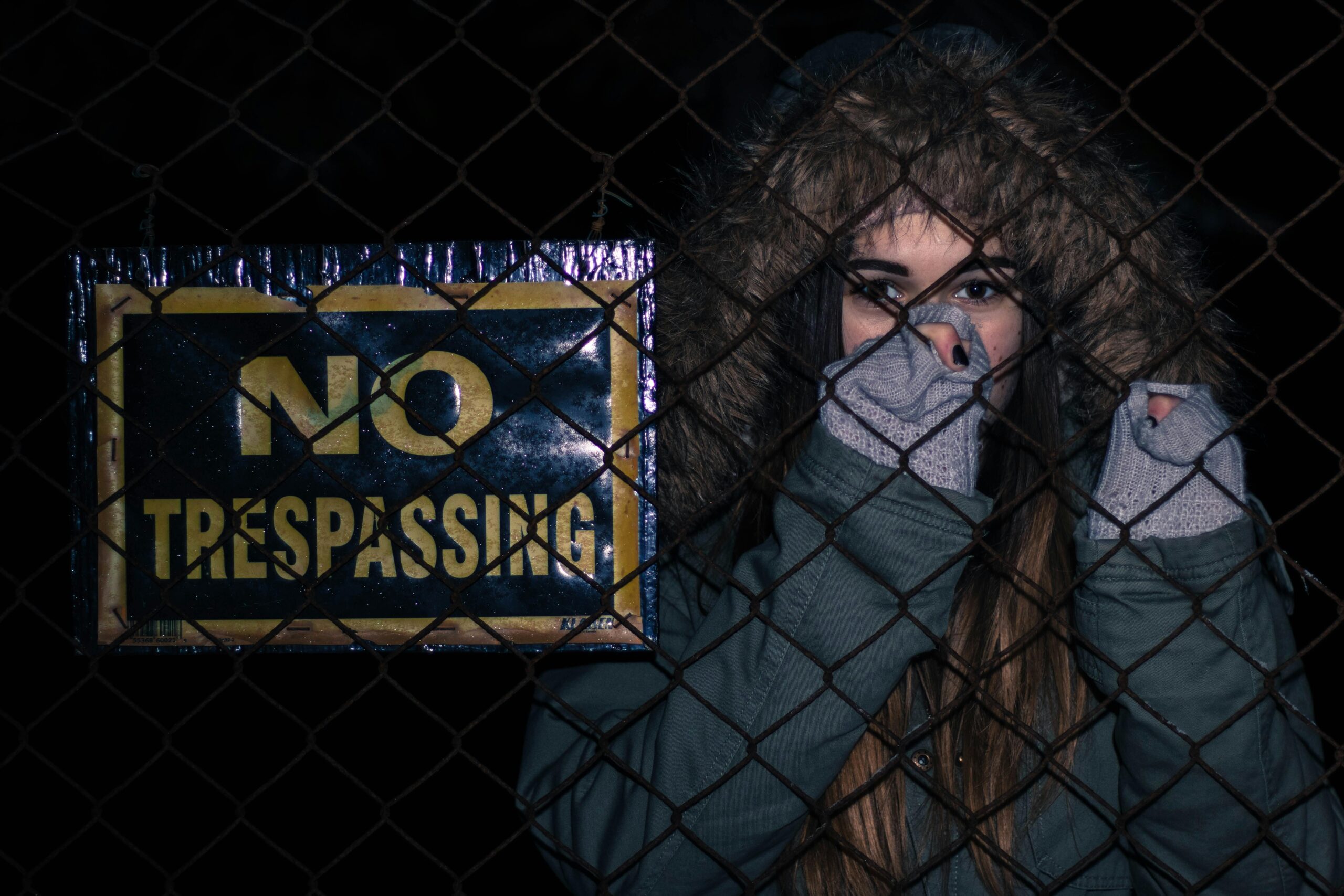
Forbidden territories remind us that complete knowledge remains elusive despite unprecedented access to information. They preserve mystery in a world that increasingly values transparency and documentation over secrecy and speculation. This preservation serves important psychological and cultural functions, maintaining spaces where wonder can flourish and imagination remains necessary.
The continuing existence of genuinely unknown or inaccessible places challenges the assumption that everything can and should be revealed, mapped, and categorized. Forbidden territories assert that boundaries have value, that some secrets warrant protection, and that humanity benefits from acknowledging limits to our reach and knowledge.
As we navigate an increasingly interconnected and transparent world, these restricted spaces offer counterpoints to total accessibility. They suggest that the complete elimination of mystery might diminish rather than enhance human experience, and that maintaining certain boundaries preserves important values worth protecting.
Whether enforced by governments, consecrated by religious tradition, protected by environmental hazards, or secured by technological limitation, forbidden territories continue shaping our relationship with knowledge, exploration, and the unknown. They challenge us to balance curiosity with respect, ambition with wisdom, and the drive to reveal with the capacity to protect. In these restricted spaces, humanity confronts fundamental questions about access, ethics, and the proper limits of our expanding reach across Earth and beyond. 🌏
