
Dancing is more than just movement—it’s a form of self-expression, fitness, and pure joy. With the rise of mobile technology, learning to dance has never been more accessible or fun.

Whether you’re preparing for a wedding, looking to improve your fitness routine, or simply want to unleash your inner dancer, apps designed for learning dance offer structured lessons, personalized feedback, and endless entertainment. Gone are the days when you needed expensive studio memberships or rigid class schedules.
Today’s dance learning apps combine cutting-edge motion tracking technology with professional choreography, making it possible to learn everything from salsa and hip-hop to contemporary and ballroom—right from your living room. Let’s explore how these innovative tools are revolutionizing the way people learn to move. 💃
Why Choose a Dance Learning App Over Traditional Classes?
Traditional dance studios have their charm, but modern apps offer unique advantages that fit seamlessly into busy lifestyles. The flexibility alone is a game-changer for many aspiring dancers who struggle with fixed schedules.


Apps allow you to practice at your own pace, repeat difficult sections as many times as needed, and learn without the pressure of keeping up with a group. This personalized approach reduces anxiety and builds confidence naturally over time.
Cost-effectiveness is another major benefit. While studio classes can cost hundreds of dollars per month, most dance apps offer comprehensive lessons for a fraction of that price. Some even provide free basic content with optional premium upgrades.
Privacy matters too. Many beginners feel self-conscious about dancing in front of others. Apps create a judgment-free zone where you can make mistakes, experiment with movements, and grow at your own comfort level. 🏠
Key Features That Make Dance Apps Effective
The best dance learning applications incorporate several essential features that enhance the learning experience. Motion tracking technology uses your device’s camera to analyze your movements and provide real-time feedback on accuracy and technique.
Progressive lesson structures guide you from basic steps to complex choreography, ensuring you build a solid foundation before advancing. This systematic approach prevents frustration and injury while maximizing skill development.
Video demonstrations from professional dancers show proper form from multiple angles, helping you understand the nuances of each movement. Slow-motion replays make it easier to catch subtle details that distinguish good technique from great technique.
Social features create community connections even in solo practice. Many apps include leaderboards, challenges, and sharing options that motivate users through friendly competition and mutual encouragement.
Understanding Motion Tracking Technology
Advanced algorithms analyze your body position through your smartphone or tablet camera, comparing your movements to professional standards. This technology provides instant feedback about posture, timing, and precision.
The system highlights areas needing improvement with visual cues and suggestions, functioning like a personal instructor who watches every practice session. Over time, this consistent feedback accelerates learning dramatically.
Popular Dance Styles You Can Master Through Apps
Dance learning apps cover an impressive range of styles, catering to diverse interests and cultural backgrounds. Hip-hop remains one of the most requested genres, with lessons ranging from old-school breaking to contemporary urban choreography.
Latin dances like salsa, bachata, and merengue attract those seeking passionate, rhythmic movements perfect for social dancing. These styles emphasize partner connection and musicality, skills that apps teach through solo practice before partner integration.
Ballroom dancing, including waltz, foxtrot, and tango, appeals to those interested in elegant, formal styles. Apps break down the complex footwork and frame positions that define these sophisticated dances. 🎭
Contemporary and jazz styles attract artistic souls looking for expressive, emotion-driven movement. These genres emphasize creativity and personal interpretation alongside technical skill.
Cultural dances from around the world—like Bollywood, K-pop, Afrobeat, and flamenco—offer windows into different traditions while providing excellent workouts and cultural education simultaneously.
How to Maximize Your Learning Experience
Success with dance apps requires more than just downloading and opening the application. Creating an appropriate practice space makes a significant difference in your learning quality and enjoyment.
Clear at least 6 feet of space in all directions to allow free movement without hitting furniture or walls. Good lighting helps the camera track your movements accurately, while a mirror provides additional visual feedback.
Establish a consistent practice schedule rather than sporadic sessions. Even 15-20 minutes daily produces better results than occasional marathon practices. Consistency builds muscle memory and reinforces learning patterns.
Warm up properly before each session to prevent injuries and improve performance. Most apps include warm-up routines, but simple stretching and light cardio prepare your body for more intensive movements. 🏃
Record your practice sessions periodically to track progress visually. Watching yourself dance reveals areas for improvement that you might not notice in the moment and provides motivating evidence of your advancement.
Setting Realistic Goals and Tracking Progress
Define specific, measurable objectives for your dance journey. Rather than vague goals like “get better at dancing,” aim for concrete targets such as “master the basic salsa step pattern” or “complete the beginner hip-hop course.”
Most apps include progress tracking features that record completed lessons, practice time, and performance scores. Reviewing these metrics helps maintain motivation and identifies areas requiring additional focus.
Celebrate small victories along the way. Learning dance is a gradual process with incremental improvements. Acknowledging each milestone keeps spirits high during challenging phases of skill development.
Overcoming Common Challenges When Learning Through Apps
Self-teaching through apps presents unique obstacles that traditional classes don’t. Technical issues with motion tracking can frustrate beginners, especially in poorly lit spaces or with older devices.
Ensure your device meets the app’s technical requirements and position your camera at the recommended distance and angle. Experiment with different setups until you find what works best for your space and equipment.
Lack of personalized correction is another limitation. While apps provide general feedback, they can’t offer the nuanced adjustments a human instructor might give. Supplement app learning with occasional live classes or video consultations when possible.
Staying motivated without external accountability challenges some learners. Combat this by joining online communities associated with your chosen app, sharing progress with friends, or setting up practice sessions with fellow app users. 👯
Dealing With Physical Limitations and Modifications
Not everyone starts with the same physical capabilities, and that’s perfectly fine. Look for apps that offer modifications for different fitness levels and physical conditions.
Listen to your body and never push through pain. Dancing should challenge you without causing injury. Modify movements as needed, gradually building strength and flexibility over time.
Consider consulting with a physician or physical therapist if you have existing injuries or health concerns before starting any new physical activity, including dance training.
The Fitness Benefits of App-Based Dance Learning
Dance provides exceptional cardiovascular exercise that doesn’t feel like traditional workouts. An hour of energetic dancing can burn 300-600 calories depending on intensity and style, rivaling many gym activities.
Coordination and balance improve significantly through regular dance practice. The complex movements required in choreography engage multiple muscle groups simultaneously while training your brain to coordinate them effectively.
Flexibility naturally increases as you stretch to achieve various dance positions. Many styles incorporate stretching elements within the choreography itself, making flexibility training seamless and functional. 🤸
Mental health benefits accompany the physical advantages. Dancing releases endorphins, reduces stress, and provides creative outlet that promotes emotional well-being. The focus required during practice creates a meditative state that quiets anxious thoughts.
Social connection, even through virtual communities, combats loneliness and creates sense of belonging. Sharing your journey with others who understand the challenges and triumphs of learning dance builds meaningful relationships.
Choosing the Right App for Your Dancing Goals
The market offers numerous dance learning apps, each with different strengths and specializations. Consider your primary objectives when selecting an app—fitness, social dancing, performance, or pure recreation.
Review app features carefully before committing. Essential considerations include available dance styles, instructional quality, motion tracking accuracy, subscription costs, and user interface intuitiveness.
Read user reviews to understand real-world experiences with the app. Pay attention to comments about customer support, content updates, and technical reliability across different devices.
Take advantage of free trials when available. Most premium apps offer trial periods allowing you to test features before purchasing. Use this time to evaluate whether the teaching style resonates with your learning preferences. 📱
Free Versus Paid App Options
Free apps provide excellent entry points for curious beginners unsure about committing financially. However, they typically offer limited content, display advertisements, or lack advanced features like motion tracking.
Paid subscriptions unlock comprehensive lesson libraries, personalized feedback, ad-free experiences, and regular content updates. The investment often proves worthwhile for serious learners committed to substantial improvement.
Consider your budget and dedication level when deciding. Starting with free options and upgrading later as your interest grows represents a sensible approach for many learners.
Integrating Technology With Traditional Learning Methods
Apps work best as part of a comprehensive learning strategy rather than sole instruction sources. Combining app practice with occasional live classes provides balanced skill development and prevents bad habits.
Use apps for daily practice and reinforcement while attending periodic workshops or private lessons for personalized correction and advanced technique refinement. This hybrid approach maximizes both convenience and quality.
Watch professional performances online to understand artistic expression beyond technical execution. YouTube, streaming services, and social media platforms offer endless inspiration and learning opportunities. 🎬
Join local dance communities or social dance events to practice with partners and in group settings. Apps prepare you technically, but real-world dancing develops social skills, musicality, and adaptability.
The Future of Dance Education Through Technology
Artificial intelligence and machine learning continue advancing app capabilities. Future iterations will offer even more precise movement analysis, personalized curriculum adaptation, and predictive feedback based on individual learning patterns.
Virtual reality integration promises immersive learning environments where you can practice in simulated studios with virtual instructors and classmates. This technology could bridge the gap between home practice and studio experience.
Augmented reality features might overlay visual guides onto your real environment, showing exactly where to place your feet or how to position your arms in real-time as you move.
Global connectivity through apps democratizes dance education, making world-class instruction accessible regardless of geographic location or economic status. This accessibility transforms dance from exclusive art form to universal practice. 🌍
Building Confidence Through Consistent Practice
Confidence grows naturally through repetition and achievement. Each mastered step, completed routine, and positive feedback notification reinforces your belief in your dancing abilities.
Start with beginner-friendly content even if you have some dance experience. Building on solid fundamentals creates confidence that supports more advanced learning later. Rushing into difficult material often backfires with frustration and discouragement.
Remember that everyone progresses at different rates. Avoid comparing your journey to others’ highlight reels on social media. Focus on personal improvement rather than external validation.
Embrace mistakes as learning opportunities rather than failures. Every professional dancer made countless errors while developing their skills. Your willingness to persist through challenges determines your ultimate success more than natural talent.
Creating a Supportive Learning Environment
Share your dance goals with supportive friends and family who encourage your efforts. Having cheerleaders makes challenging practice sessions more bearable and successes more meaningful.
Consider finding an accountability partner—someone also learning to dance through apps with whom you can share progress, challenges, and motivation. Regular check-ins keep both parties committed and inspired. 🤝
Decorate your practice space with motivational quotes, inspiring images of dancers, or vision boards representing your dance goals. Environmental cues reinforce commitment and maintain enthusiasm during difficult periods.
Invest in comfortable practice clothing and appropriate footwear for your chosen dance style. Feeling prepared and professional enhances motivation and allows you to focus on movement rather than wardrobe malfunctions.
Transforming Your Relationship With Movement
Learning to dance through apps often initiates broader lifestyle changes. Many users report increased body awareness, improved posture in daily activities, and greater appreciation for physical movement generally.
This newfound kinesthetic intelligence extends beyond dance into other physical activities, sports, and even everyday tasks. The mind-body connection developed through dance practice enriches overall quality of life.
Dance apps lower barriers that previously prevented many people from exploring this art form. No longer do schedule constraints, financial limitations, or social anxiety need to keep you from experiencing the joy of dance.
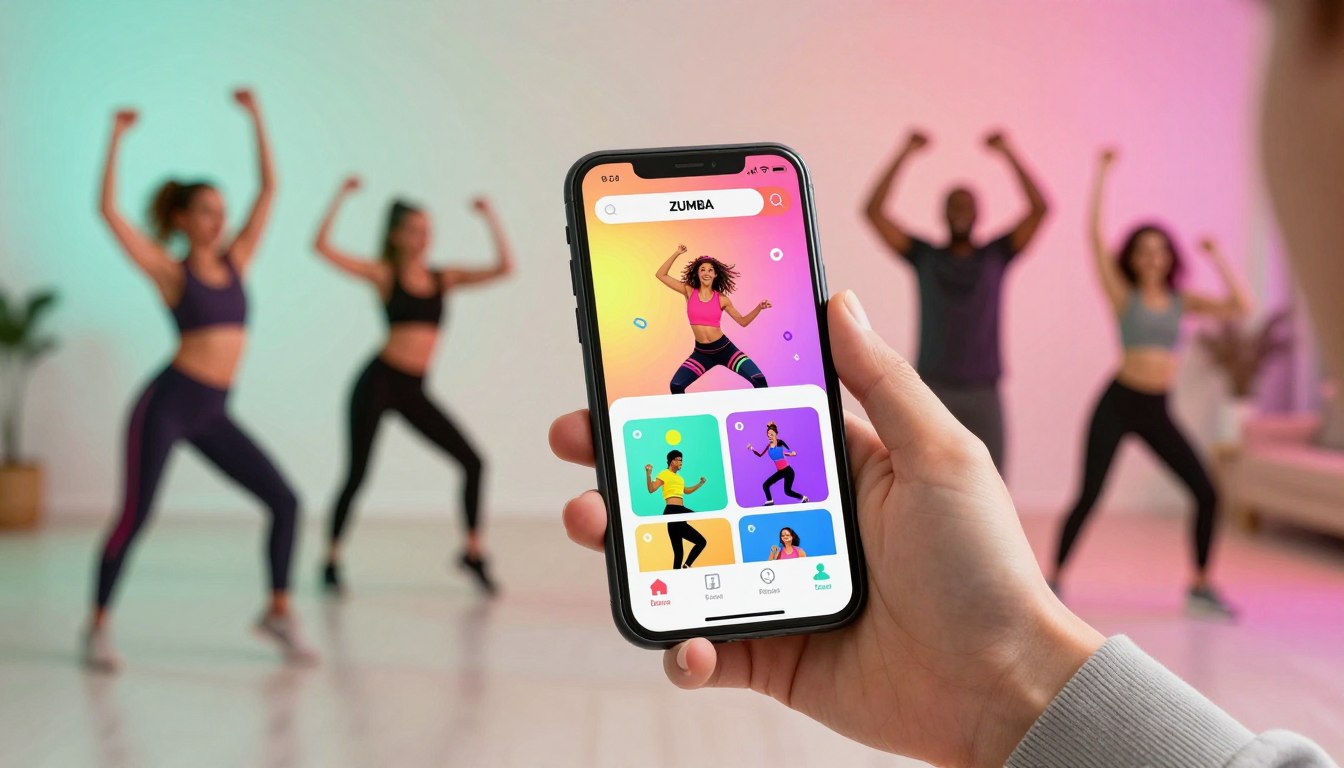
Your smartphone transforms into a portable dance studio, traveling with you wherever life leads. This accessibility means you can maintain your practice during vacations, business trips, or any life circumstances that would interrupt traditional classes. ✨
Taking Your First Steps Toward Dance Mastery
Beginning your dance journey requires nothing more than willingness to move and a device capable of running a dance app. The perfect time to start is now—not after losing weight, not after getting more flexible, not after buying special equipment.
Download a highly-rated dance learning app today and complete just one lesson. That single session might ignite a passion that enriches the rest of your life. Even if dancing becomes just an enjoyable hobby rather than serious pursuit, the benefits to your physical and mental health justify the effort.
Dance connects us to our bodies, to music, to others, and to cultures around the world. It’s simultaneously ancient tradition and contemporary expression, rigorous discipline and pure play. Apps simply make this transformative practice accessible to anyone with the courage to try.
Your unique dance journey awaits. The music is playing, the app is ready, and your body is capable of more grace and power than you imagine. Step into the rhythm and discover what happens when you allow yourself to move freely and joyfully. 🎵
