
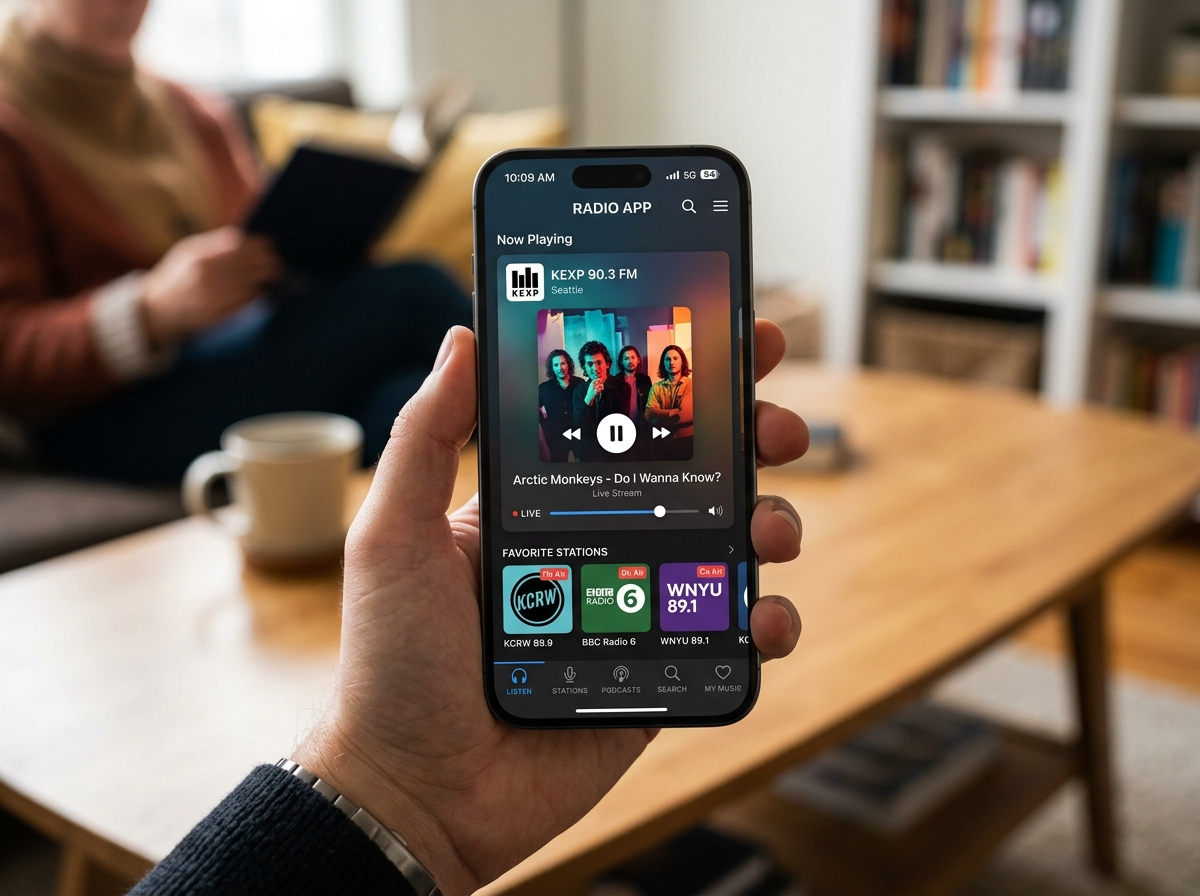
Radio apps have revolutionized how we consume audio content, bringing thousands of stations from around the world directly to our smartphones with just a tap.

Gone are the days when listening to radio meant being tethered to a physical device or limited by geographical boundaries. Today’s radio applications offer unprecedented freedom, allowing users to explore content ranging from local news broadcasts to international music stations, podcasts, and specialized programming from virtually anywhere with an internet connection.
The evolution of radio apps reflects our changing relationship with media consumption. They’ve transformed from simple streaming tools into sophisticated platforms that blend traditional broadcasting with modern features like personalized recommendations, sleep timers, recording capabilities, and social sharing options that enhance the overall listening experience.
📻 The Digital Revolution in Radio Broadcasting
Traditional radio broadcasting has undergone a remarkable transformation in the digital age. What once required expensive equipment and specific frequencies now operates seamlessly through internet protocols. This democratization has opened doors for countless independent broadcasters and niche stations that might never have survived in the conventional radio landscape.


Radio apps serve as gateways to this expansive audio universe. They aggregate content from terrestrial FM/AM stations that have established online streams, alongside purely digital stations that exist exclusively in the internet realm. This convergence creates an ecosystem where heritage broadcasters and innovative newcomers coexist, offering listeners an unprecedented variety of choices.
The technology behind these applications has matured significantly. Modern radio apps utilize adaptive streaming protocols that adjust audio quality based on connection speed, ensuring uninterrupted listening even when network conditions fluctuate. This technical sophistication happens invisibly in the background, providing users with a smooth, frustration-free experience.
🌍 Breaking Geographic Boundaries
One of the most compelling advantages of radio apps is their ability to transcend geographic limitations. A person living in New York can easily tune into a station broadcasting from Tokyo, London, or Buenos Aires. This global accessibility has profound implications for expatriate communities, language learners, and culturally curious individuals seeking authentic content from different regions.
For travelers, radio apps provide a comforting connection to home. Someone on a business trip abroad can maintain their morning routine by listening to their favorite local station, creating a sense of continuity despite being thousands of miles away. Conversely, these apps also serve as cultural bridges, allowing people to explore new music genres, news perspectives, and entertainment formats from unfamiliar territories.
This borderless nature of radio apps has also created opportunities for smaller stations to find international audiences. A community radio station in a small town can attract listeners worldwide who appreciate its specific programming focus, whether that’s a particular music genre, cultural content, or specialized discussion topics.
🎵 Personalization and Discovery Features
Modern radio applications have incorporated sophisticated recommendation algorithms that learn from user behavior. By tracking listening habits, favorite stations, and engagement patterns, these apps can suggest new content that aligns with individual preferences. This personalization transforms the listening experience from passive consumption to active discovery.
Many radio apps organize content into intuitive categories such as genre, language, country, or popularity. Users can browse through carefully curated collections or explore themed playlists that introduce them to stations they might never have found through random searching. This organizational structure makes navigation effortless even when dealing with databases containing tens of thousands of stations.

The search functionality in quality radio apps has become remarkably intelligent. Users can search not just by station name, but by specific shows, host names, or even particular songs they’ve heard. Some applications even offer song identification features that recognize currently playing tracks, allowing listeners to instantly discover new music and build personalized playlists.
⚡ Essential Features That Define Quality Radio Apps
The best radio applications share certain characteristics that elevate them above basic streaming tools. Understanding these features helps users identify which app best suits their specific needs and preferences.
- Offline Recording: Premium radio apps often include recording capabilities, allowing users to capture broadcasts for later playback without internet connectivity
- Sleep Timer: Essential for bedtime listening, this feature automatically stops playback after a specified duration
- Car Mode: Simplified interfaces designed for safe interaction while driving, with larger buttons and voice controls
- Alarm Integration: Wake up to your favorite radio station instead of generic alarm sounds
- Chromecast Support: Stream radio content to compatible speakers and devices throughout your home
- Equalizer Controls: Customize audio output to match your hearing preferences or compensate for speaker limitations
- Favorites Management: Quick access to frequently played stations through bookmarking systems
- Social Sharing: Share interesting stations or specific shows with friends through social media integration
📱 User Interface and Experience Considerations
The visual design of radio apps significantly impacts daily usability. Clean, intuitive interfaces reduce cognitive load and make navigation feel natural. The best apps balance aesthetic appeal with functional efficiency, ensuring that common actions like switching stations, adjusting volume, or accessing favorites require minimal effort.
Responsiveness matters tremendously in radio applications. Users expect immediate feedback when tapping buttons, with station changes occurring within seconds rather than after frustrating delays. Background performance is equally important—apps should continue playing smoothly while users interact with other applications or when the screen locks.
Accessibility features have become increasingly important in radio app design. Support for screen readers, adjustable text sizes, and high-contrast modes ensure that people with visual impairments can fully enjoy radio content. Voice control integration allows hands-free operation, particularly valuable for users with mobility challenges or those engaged in activities where manual interaction isn’t practical.
🔋 Battery Life and Data Consumption
Streaming audio content continuously presents challenges for mobile device battery life. Well-optimized radio apps minimize power consumption through efficient coding and smart resource management. They avoid unnecessary background processes and utilize hardware acceleration when available, extending listening sessions without draining batteries excessively.
Data usage represents another practical concern for mobile listeners. Most radio apps allow users to select streaming quality, offering options from low-bitrate streams that conserve data to high-fidelity options for wifi connections. Some applications provide data tracking features that monitor consumption, helping users stay within monthly allowances.
Progressive apps include wifi-only modes that automatically pause streaming when cellular connections are detected, preventing accidental data overages. Others offer downloadable content or caching features that preload segments during wifi availability for later playback over cellular networks with minimal data impact.
🎙️ Content Variety and Specialization
Radio apps cater to incredibly diverse interests. Music enthusiasts can explore stations dedicated to specific genres ranging from mainstream pop and rock to obscure subgenres like vaporwave or Nordic folk. Talk radio fans access everything from political commentary and sports analysis to true crime storytelling and paranormal discussions.
Educational content has found a robust home in radio app ecosystems. Language learning stations provide immersive listening practice, while science programs, historical documentaries, and interview shows offer intellectual stimulation during commutes or workout sessions. Religious programming, meditation guidance, and wellness content serve audiences seeking spiritual or mental health support.
Local news and traffic updates remain fundamental radio content, with many apps featuring geolocation services that automatically suggest nearby stations relevant to users’ current locations. This functionality proves particularly valuable when traveling, instantly connecting people to local information resources in unfamiliar cities.
💡 The Role of Radio Apps in Daily Routines
Radio applications have seamlessly integrated into modern daily rhythms. Morning routines often begin with news briefings from favorite stations, providing context and information to start the day. Commuters rely on traffic updates and entertaining programming to make travel time productive or pleasant rather than merely tedious.
Workplace listening has expanded with radio apps, as many jobs permit background audio. Whether providing ambient music to enhance focus or offering companionship during solitary tasks, radio content transforms work environments. The variety available ensures that workplace listening never becomes monotonous, with endless options for mood-appropriate programming.
Evening wind-down routines frequently incorporate radio content. Gentle music stations, audiobook readings, or calming talk shows help listeners transition from active days to restful nights. The previously mentioned sleep timer features support this use case perfectly, allowing people to drift off without worrying about manually stopping playback.
🔐 Privacy and Security Considerations
Responsible radio apps prioritize user privacy by transparently communicating data collection practices. Quality applications limit information gathering to essential functionality rather than invasive tracking. They provide clear privacy policies written in accessible language rather than impenetrable legal jargon.
Security measures protect user accounts and payment information when premium subscriptions are involved. Encrypted connections prevent unauthorized interception of listening data or personal details. Regular security updates address vulnerabilities promptly, demonstrating developer commitment to protecting user interests.
Permission requests should align with actual functionality needs. A radio app legitimately requires internet access and possibly location services for nearby station recommendations, but shouldn’t demand access to contacts, cameras, or other unrelated device features. Users should scrutinize permission requests and favor apps that respect boundaries.
🌟 Choosing the Right Radio App for Your Needs
Selecting an ideal radio application depends on individual priorities and listening habits. Casual listeners who primarily enjoy mainstream stations might prefer simpler apps with straightforward interfaces and minimal features. These users benefit from applications that prioritize ease of use over comprehensive functionality.
Serious radio enthusiasts seeking extensive station libraries and advanced features should investigate apps offering robust search capabilities, recording functions, and detailed categorization systems. These users typically appreciate customization options that allow tailoring the experience to specific preferences.
Budget-conscious users face decisions between free, ad-supported applications and premium subscriptions offering enhanced features and ad-free listening. Evaluating whether premium features justify subscription costs requires honest assessment of which functions actually enhance the personal listening experience versus those that sound appealing but remain unused.
📊 Comparing Popular Radio App Options
| Feature | Basic Apps | Premium Apps | Specialized Apps |
|---|---|---|---|
| Station Quantity | 5,000-15,000 | 30,000+ | Curated Selection |
| Recording Function | Rarely Available | Usually Included | Varies |
| Audio Quality | Standard | High Fidelity Options | Genre-Optimized |
| Advertisements | Frequent | Minimal/None | Varies |
| Offline Capability | Limited | Comprehensive | Sometimes |
🚀 The Future of Radio Applications
Emerging technologies promise to further enhance radio app capabilities. Artificial intelligence will enable more sophisticated content recommendations, potentially predicting listener moods and suggesting appropriate programming proactively. Voice assistant integration will deepen, allowing natural language commands to control all app functions hands-free.
Spatial audio and immersive sound technologies may transform how we experience radio content. Imagine news broadcasts where different speakers occupy distinct positions in a three-dimensional soundscape, or music that surrounds listeners with studio-quality reproduction. These advances could revitalize radio as a premium audio experience rather than mere background entertainment.
Interactive features may bridge the gap between traditional broadcasting and on-demand content. Listeners might influence programming through real-time voting, participate in live discussions via integrated chat systems, or access supplementary visual content synchronized with audio broadcasts. These innovations would transform passive listening into active engagement.
🎧 Making the Most of Your Radio App Experience
Maximizing enjoyment from radio applications requires some intentional exploration. Rather than settling into repetitive listening patterns, periodically venture beyond familiar stations to discover new content. Many apps feature “random” or “surprise me” functions that introduce unexpected programming—embrace these opportunities for serendipitous discoveries.
Leverage organizational features to create a personalized listening ecosystem. Establish different favorite lists for various contexts: morning news stations, workout music channels, evening relaxation programming, and weekend exploration options. This categorization makes selecting appropriate content effortless regardless of mood or situation.
Engage with community features when available. Some radio apps include listener forums, comment sections, or social networking elements that connect people with similar interests. These communities can provide valuable recommendations and transform solitary listening into shared experiences, deepening appreciation for particular stations or programs.
🔊 Technical Troubleshooting and Optimization
Occasional technical issues inevitably arise with streaming applications. When experiencing buffering or connection problems, first verify internet stability—radio apps require consistent connectivity for smooth operation. Switching between wifi and cellular data sometimes resolves persistent issues by bypassing network-specific problems.
App performance degradation over time often results from accumulated cache data. Periodic clearing of app caches—accessible through device settings—restores optimal functionality. Updating to the latest app version ensures access to bug fixes and performance improvements that developers continuously implement.
Audio quality problems sometimes stem from device-specific settings rather than apps themselves. Checking system audio configurations, disabling conflicting audio enhancement features, and ensuring adequate device storage space can resolve many playback irregularities. When problems persist across multiple apps, device-level issues likely require attention.
💬 The Social Dimension of Radio Listening
Despite being an individual activity, radio listening retains significant social components. Shared cultural moments emerge when millions simultaneously experience major broadcasts—breaking news, championship games, or historic speeches. Radio apps preserve this collective experience even as consumption becomes personalized and on-demand.
Recommendation sharing has become a social currency among friends and family. Discovering an exceptional station or fascinating program naturally prompts the desire to share with others who might appreciate similar content. Radio apps facilitate this sharing through integrated messaging and social media connectivity.
Some listeners enjoy synchronized listening experiences, where groups tune into the same station simultaneously despite geographic separation. This creates virtual gathering spaces where shared audio experiences maintain social bonds across distances, particularly meaningful for families, long-distance relationships, or friend groups scattered by circumstances.
✨ Embracing Radio in the Streaming Era
Radio apps represent more than simple technological conveniences—they’re cultural bridges connecting past and future, tradition and innovation. While on-demand streaming services dominate modern audio consumption, radio’s curated, linear nature offers distinct value. The element of surprise, the sense of shared experience, and the discovery of unexpected content create irreplaceable listening moments.
These applications preserve radio’s essential magic while eliminating traditional limitations. They honor broadcasting’s heritage of connecting communities and disseminating information while embracing modern expectations for convenience, quality, and personalization. This balance positions radio apps as enduring fixtures in our increasingly digital audio landscape.
Whether you’re rediscovering childhood favorite stations, exploring international broadcasts from distant lands, or simply seeking reliable companionship during daily activities, radio apps deliver experiences that remain uniquely compelling. They prove that even in an age of algorithmic playlists and limitless content libraries, there’s enduring appeal in tuning into something live, communal, and delightfully unpredictable. 📻✨
