
Anúncios
Food connects us to our ancestors in profound ways, transforming meals into sacred bridges between past and present, where every bite carries stories of resilience and love.

🍲 The Sacred Bond Between Food and Memory
Our kitchens hold more than pots and pans—they’re repositories of ancestral wisdom passed down through generations. When we prepare traditional dishes using our grandmothers’ recipes, we’re not simply cooking; we’re performing acts of remembrance that honor those who came before us. The aromas, flavors, and techniques embedded in these culinary traditions carry the essence of our heritage, creating tangible connections to relatives we may have never met but whose legacy lives within us.
Anúncios
Ancestral remembrance through food transcends cultural boundaries. Whether it’s lighting candles during Día de los Muertos while preparing pan de muerto, setting a place at the table during Chuseok with freshly made songpyeon, or baking challah for Shabbat dinner, these food-centered rituals create moments where the veil between worlds feels thinner. Our ancestors remain present not as distant memories, but as active participants in our lives through the flavors they’ve gifted us.
Why Culinary Traditions Matter More Than Ever
In our rapidly globalizing world, maintaining connections to ancestral foodways has become an act of cultural preservation. Each traditional recipe that’s forgotten represents a lost thread in the tapestry of human heritage. When we commit to learning, practicing, and sharing these culinary traditions, we become living libraries, ensuring that the wisdom of our forebears continues to nourish future generations.
Anúncios
Research consistently demonstrates that maintaining cultural connections through food practices strengthens family bonds, enhances mental wellbeing, and provides children with a solid sense of identity. These edible traditions offer stability in an ever-changing world, reminding us of who we are and where we come from. They’re anchors that ground us while simultaneously giving us wings to explore our place in the broader human story.
The Psychological Power of Heritage Cooking
Psychologists have identified what they call “food nostalgia”—the powerful emotional response triggered by tastes and smells connected to our past. When we recreate ancestral dishes, we’re accessing memories stored not just in our minds but in our bodies. The muscle memory of kneading dough the way your grandmother did, or the instinctive knowledge of when a sauce has reached the perfect consistency, represents embodied knowledge passed down through countless hands.
This sensory connection creates what researchers call “culinary capital”—the accumulated knowledge, skills, and emotional associations tied to food that form part of our cultural inheritance. By actively engaging with this capital, we strengthen our sense of belonging and purpose while honoring those who invested their time in teaching us these invaluable skills.
🌍 Global Traditions of Ancestral Feasting
Around the world, diverse cultures have developed beautiful traditions that center food as a medium for ancestral remembrance. Understanding these practices can inspire us to deepen our own connections to heritage while appreciating the universal human need to honor those who’ve passed.
Latin American Día de los Muertos Celebrations
In Mexico and throughout Latin America, Día de los Muertos transforms death from something to fear into an opportunity for joyful reunion. Families prepare elaborate ofrendas adorned with the deceased’s favorite foods and beverages. Pan de muerto, with its bone-shaped decorations and orange blossom flavor, becomes a edible prayer. Sugar skulls, tamales, mole, and fresh fruits create a feast designed to welcome spirits home for a brief, precious visit.
The preparation of these foods is deeply intentional. Many families begin days in advance, with multiple generations working together in kitchens filled with laughter, tears, and stories about those being honored. This collaborative cooking process becomes as important as the final feast itself, teaching younger family members not just recipes but values, history, and the importance of remembering.
Asian Ancestor Veneration Food Offerings
Throughout East and Southeast Asia, ancestral remembrance through food forms a cornerstone of spiritual and family life. During China’s Qingming Festival, families visit graves bearing elaborate food offerings—whole roasted pigs, fresh fruits, rice wine, and the deceased’s favorite dishes. These aren’t symbolic gestures but genuine acts of care, based on the belief that ancestors continue to need sustenance in the afterlife.
Korean Chuseok celebrations center around songpyeon, crescent-shaped rice cakes that families make together while sharing stories. The Japanese Obon festival features special vegetarian cuisine called shojin ryori, prepared to welcome ancestral spirits home. Vietnamese families prepare elaborate feasts for Tet, setting places at the table for deceased relatives as honored guests.
African Diasporic Food Traditions
African and African diaspora communities maintain powerful food-centered remembrance practices. Libation ceremonies pour water, wine, or spirits while invoking ancestors’ names and requesting their guidance. In many West African traditions, a portion of every meal is set aside for ancestors before the living eat, acknowledging their continued presence and importance.
Soul food traditions in the American South carry ancestral memory in every dish—black-eyed peas symbolizing luck, collard greens representing prosperity, and cornbread connecting to indigenous corn cultivation. These foods tell stories of survival, creativity under constraint, and the determination to maintain dignity and culture despite historical trauma.
Creating Your Personal Ancestral Feast Practice 🕯️
You don’t need to wait for specific holidays to honor your ancestors through food. Creating regular practices that incorporate heritage cooking into your routine strengthens these connections and makes them part of your lived experience rather than occasional observances.
Research Your Culinary Roots
Begin by investigating your family’s food history. Interview older relatives about the dishes they remember from childhood, the special meals prepared for celebrations, and the everyday foods that sustained your ancestors. Ask not just for recipes but for stories—who taught them to cook these dishes? What memories do these foods evoke? Were there special occasions associated with particular meals?
Document everything you learn. Create a family cookbook that includes not just ingredient lists and instructions but the stories behind each dish. Photograph the process of making these foods with elderly relatives who still know the traditional methods. These records become precious heirlooms that preserve knowledge for future generations.
Establish Regular Heritage Cooking Dates
Set aside specific times—perhaps one Sunday per month or a particular holiday—dedicated to preparing ancestral dishes. Make these occasions special by creating rituals around them. Light candles, play music from your ancestral homeland, display family photographs, or tell stories about the relatives you’re honoring.
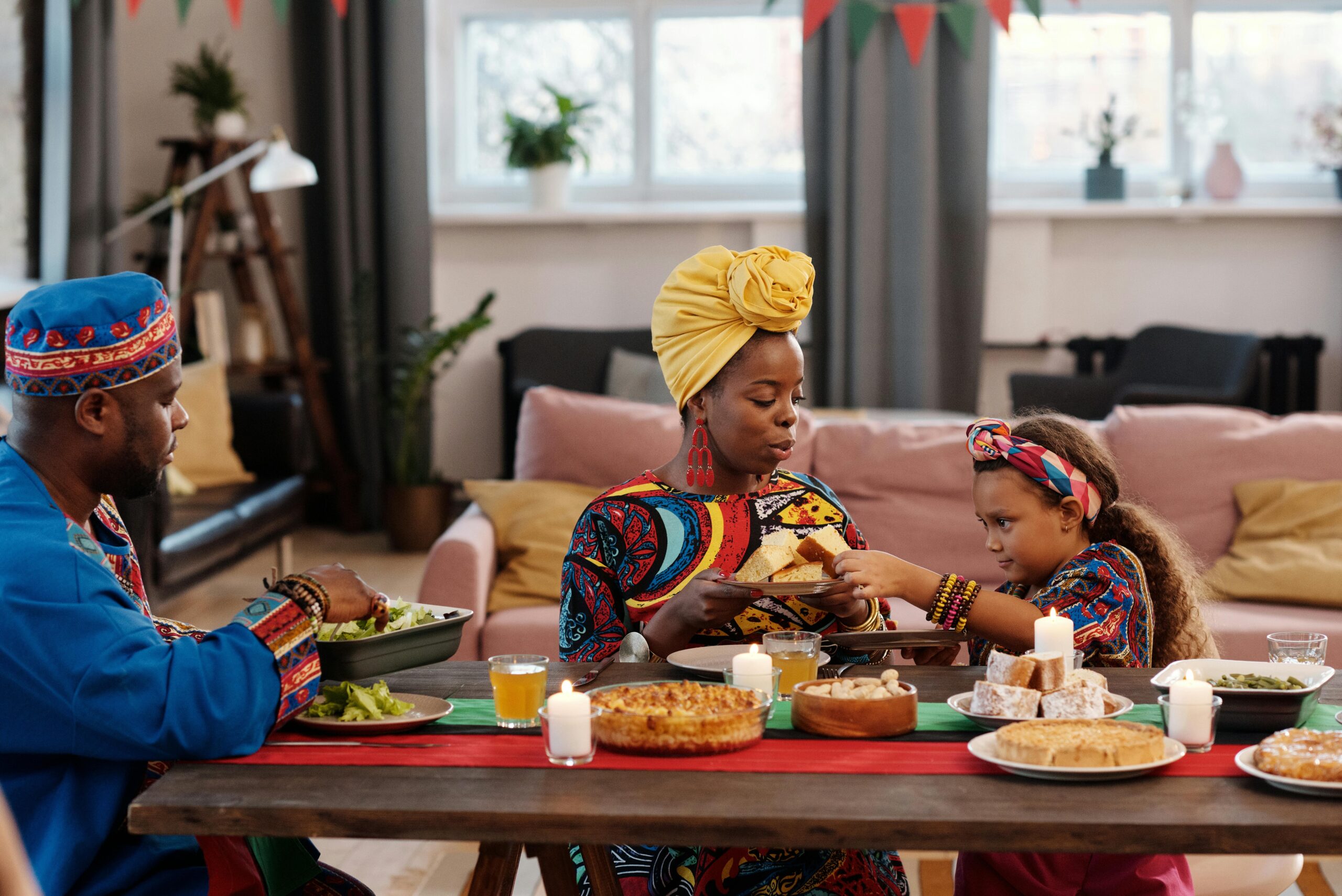
Involve multiple generations in the preparation process. Children who help roll tamales, knead challah, or shape dumplings alongside parents and grandparents aren’t just learning recipes—they’re absorbing cultural values, developing family bonds, and creating their own memories that will someday be ancestral wisdom for their descendants.
Create a Heritage Recipe Collection
Build a dedicated collection of your ancestral recipes, organizing them in a way that preserves their cultural context. Include:
- Original recipe sources (whose recipe this was, where they learned it)
- Historical context (when this dish was typically prepared, its cultural significance)
- Personal memories associated with the food
- Photographs of the dish and the people who made it
- Variations that have evolved over generations
- Stories and anecdotes connected to this food
This collection becomes a living document, expanding as you research more deeply and discover additional connections to your heritage.
Overcoming Common Challenges in Heritage Cooking
Reconnecting with ancestral food traditions isn’t always straightforward. Many people face obstacles that can feel discouraging, but understanding these challenges helps us navigate them effectively.
When Recipes Are Lost or Incomplete
Perhaps your grandmother never wrote down her recipes, cooking instead by intuition and experience. Maybe family displacement or historical trauma severed connections to culinary heritage. These losses are real and painful, but they’re not insurmountable.
Start with what you know—even fragmentary memories of flavors or ingredients provide clues. Research regional cuisines from your ancestral homelands to understand common ingredients and techniques. Connect with cultural organizations and online communities focused on your heritage, where others may share similar dishes and knowledge.
Remember that recreating these foods doesn’t require perfect authenticity. Your attempts to reconnect with lost traditions honor your ancestors even when the results differ from what they might have prepared. The intention and effort matter profoundly.
Adapting Traditions for Modern Life
Traditional recipes often assumed time, ingredient availability, and cooking equipment that differ from contemporary realities. Don’t feel obligated to replicate historical conditions exactly. Your ancestors were innovators who adapted their cooking to available resources—you’re honoring that adaptive spirit by doing the same.
Make substitutions when necessary for dietary restrictions, ingredient availability, or time constraints. Document these adaptations as the newest chapter in your family’s culinary evolution. Future generations will appreciate knowing how you kept traditions alive while navigating modern challenges.
🌿 Building Community Through Shared Heritage Feasts
While personal and family practices form the foundation of ancestral remembrance, expanding these traditions to include wider communities amplifies their impact and creates opportunities for cultural exchange and mutual learning.
Organizing Heritage Potlucks
Host gatherings where participants bring dishes from their ancestral traditions and share the stories behind them. These events become powerful educational experiences, building understanding across cultural differences while highlighting universal themes of family, memory, and continuity.
Create space during these gatherings for storytelling. Ask participants to share not just what they’ve brought but why it matters—the memories it evokes, the relatives it honors, the cultural values it represents. These narratives transform a simple meal into a profound experience of connection and shared humanity.
Teaching Heritage Cooking Classes
If you’ve developed expertise in your ancestral cuisine, consider teaching others. Community centers, libraries, cultural organizations, and places of worship often welcome volunteers willing to share cultural knowledge. These classes preserve traditions while building bridges between generations and cultures.
When teaching, emphasize the cultural context alongside the techniques. Help students understand not just how to make the food but what it means, why it matters, and how it connects to broader patterns of history and human experience.
The Environmental and Ethical Dimensions of Ancestral Eating
Traditional foodways often embody sustainable practices developed over centuries of living in balance with local ecosystems. Returning to these ancestral patterns can guide us toward more ethical and environmentally responsible eating in the present.
Many traditional diets emphasized seasonal eating, nose-to-tail utilization of animals, fermentation for preservation, and plant-heavy meals with meat as occasional rather than daily fare. These practices weren’t primarily motivated by environmental consciousness but by necessity and resourcefulness—qualities we can learn from as we face contemporary ecological challenges.
Honoring ancestral foodways by adopting their sustainable practices creates continuity between past wisdom and future survival. When we preserve heirloom seeds, support small-scale food producers, or choose traditional preparation methods that minimize waste, we’re not just looking backward—we’re applying ancestral intelligence to contemporary problems.
Passing the Torch: Ensuring Traditions Continue 🔥
The ultimate measure of our ancestral remembrance practices is whether we successfully transmit them to future generations. This requires intentionality, patience, and commitment to making these traditions relevant and meaningful for younger family members.
Making Heritage Cooking Engaging for Children
Children learn best through hands-on participation and storytelling. Involve them in age-appropriate cooking tasks while sharing the stories behind what you’re making. Connect ancestral foods to children’s own experiences—helping them see themselves as part of a continuous story that extends both backward and forward in time.
Create special rituals around heritage cooking that children anticipate with excitement. Perhaps they get to wear a particular apron that belonged to a great-grandmother, or they’re responsible for a specific part of the preparation. These small touches make participation feel special and meaningful.
Documenting for Future Generations
Record video of yourself and other family members preparing traditional dishes, narrating the process and sharing memories. These recordings become invaluable resources for descendants who may never meet you but will treasure the opportunity to hear your voice, watch your techniques, and learn from your experience.
Write letters to future generations explaining why these traditions matter to you and what you hope they’ll gain from continuing them. Your words will provide context and motivation for great-grandchildren you’ll never meet but who will benefit from your foresight in preserving these connections.
Embracing Your Unique Ancestral Journey
Your path to honoring ancestors through food will be uniquely yours, shaped by your specific heritage, family history, and present circumstances. Some people will dive deeply into researching and recreating historical recipes with exacting precision. Others will focus on maintaining a few signature dishes that carry special meaning. Both approaches—and everything between—are valid and valuable.
What matters most is the intention behind the practice: the conscious choice to remember, honor, and maintain connection with those whose lives made your own possible. Whether you’re preparing an elaborate feast or simply brewing tea using your grandfather’s teapot while thinking of him, you’re participating in the timeless human practice of keeping the dead alive in memory and action.
Food has always been how humans show love, build community, and mark significance. When we extend these gestures across the boundary of death, we affirm that love transcends mortality, that community includes those no longer physically present, and that the most significant human experiences connect us across generations.
Your ancestors live on in countless ways—in your appearance, your gestures, your values—but perhaps nowhere more vividly than in the kitchen when you prepare the foods they once made. In those moments, time collapses. Your hands become their hands. Your kitchen becomes their kitchen. And the love you pour into the food becomes the same love they once offered to those who came before them, now flowing through you to those who will come after. This is how heritage survives—not as museum pieces preserved in amber but as living practices, adapted and renewed by each generation while maintaining their essential spirit. 🌟
Start today. Choose one ancestral dish. Learn its story. Make it with intention. Share it with love. In doing so, you become a link in an unbroken chain stretching back through time and forward into a future where your own descendants will someday honor your memory through the very traditions you’re maintaining today.
