
Anúncios
Food has always been more than sustenance—it’s memory, culture, and identity on a plate. Today’s culinary landscape celebrates this truth by reimagining traditional feasting concepts with contemporary flair.

🍽️ The Renaissance of Heritage Cooking in Contemporary Kitchens
We’re living in an extraordinary culinary moment where chefs, home cooks, and food enthusiasts are diving deep into their cultural roots while simultaneously pushing creative boundaries. This isn’t simply nostalgia on a plate; it’s a sophisticated dialogue between past and present, where grandmother’s recipes meet modern techniques, and ancient ingredients find new expressions in twenty-first-century dining experiences.
Anúncios
The global pandemic accelerated this trend significantly. With restaurant closures and travel restrictions, people turned inward, exploring their own culinary heritage. They dusted off family recipe boxes, called elderly relatives for cooking advice, and began experimenting with dishes they remembered from childhood. What emerged was a profound reconnection with food traditions that many had taken for granted or nearly forgotten.
This movement extends far beyond individual kitchens. Restaurants worldwide are rethinking their approach to traditional cuisine, moving away from fusion for fusion’s sake toward what might be called “intentional evolution”—preserving the soul of classic dishes while adapting them for contemporary palates and contexts.
Anúncios
Ancient Grains Making Modern Comebacks
One of the most visible manifestations of this trend involves the rediscovery of heritage grains that our ancestors cultivated for millennia. Quinoa, farro, amaranth, teff, and freekeh have transitioned from obscure ingredients to supermarket staples. These grains offer nutritional profiles that often surpass their more common counterparts, along with complex flavors that add depth to contemporary dishes.
Chefs are incorporating these grains into contexts that would surprise their original cultivators. Teff, the tiny grain traditionally used for Ethiopian injera, now appears in gluten-free baking, breakfast porridges, and even craft beer. Freekeh, the roasted green wheat with smoky undertones, has found its way into salads, grain bowls, and as a substitute for rice in everything from sushi to risotto.
The beauty of this grain renaissance lies in its sustainability narrative. Many heritage grains require less water, tolerate challenging growing conditions better than modern wheat varieties, and contribute to agricultural biodiversity. This makes them appealing not just for flavor and nutrition, but for conscious consumers concerned about food system resilience.
Fermentation: The Oldest Technique Gets Fresh Attention
Few culinary practices connect us to our ancestors quite like fermentation. This ancient preservation method, born from necessity in pre-refrigeration times, has become one of the hottest trends in modern gastronomy. From kimchi and kombucha to miso and sourdough, fermented foods are experiencing unprecedented popularity.
What makes this particularly interesting is how fermentation bridges tradition and innovation perfectly. The fundamental process remains unchanged—microorganisms transforming ingredients over time—but contemporary applications expand far beyond traditional boundaries. Chefs are fermenting everything from fruits and vegetables to meats and dairy, creating flavor profiles that simply cannot be achieved through any other method.
The health benefits associated with fermented foods have certainly contributed to their popularity. Probiotics, improved digestibility, enhanced nutrient availability, and potential immune system benefits make fermented foods attractive from a wellness perspective. However, the driving force for many enthusiasts is simply the extraordinary depth of flavor that fermentation provides.
🌶️ Spice Routes Revisited: Global Flavors in Local Contexts
The spice trade once shaped world history, driving exploration, commerce, and cultural exchange. Today, we’re witnessing a new chapter in this ancient story as cooks everywhere experiment with traditional spice blends from cultures not their own, while simultaneously rediscovering the seasoning traditions of their own heritage.
Ethiopian berbere, North African ras el hanout, Indian garam masala, and Middle Eastern za’atar are no longer exotic curiosities but increasingly common in home pantries. What’s particularly noteworthy is how these traditional blends are being applied to non-traditional applications. Za’atar enhances roasted vegetables and popcorn. Garam masala adds warmth to chocolate desserts. Berbere brings complexity to barbecue rubs.
This cross-cultural spice experimentation represents the best of culinary globalization—respectful appreciation rather than appropriation, with cooks learning about the cultural context of these blends while exploring their creative potential.
Nose-to-Tail and Root-to-Stem Philosophy
Our ancestors didn’t waste food. Economic necessity meant using every part of an animal or plant. Modern industrial food systems moved away from this approach, prioritizing convenience and aesthetic uniformity over resourcefulness. Now, a growing movement is reclaiming these traditional practices, reframing them as both sustainable and delicious.
Nose-to-tail cooking means utilizing the entire animal, including organs, bones, and less popular cuts. These parts often offer exceptional flavor and nutritional value. Bone marrow, once a prized delicacy that fell out of fashion, now commands premium prices in upscale restaurants. Chicken liver pâté, oxtail stew, and braised tongue showcase how “secondary” cuts can become culinary stars.
The root-to-stem movement applies similar thinking to plants. Beet greens, broccoli stems, carrot tops, and radish leaves are no longer discarded but transformed into pestos, salads, and side dishes. This approach reduces waste significantly while introducing cooks to flavors and textures they might never have otherwise experienced.
The Art of Slow Cooking in Fast-Paced Times
Traditional feasting often involved cooking methods that couldn’t be rushed—braising, stewing, roasting, and smoking that required hours or even days. These techniques developed because they transformed tough, inexpensive ingredients into tender, flavorful dishes. In our instant-gratification culture, the deliberate pace of traditional slow cooking offers both practical and philosophical value.
Modern technology has made slow cooking more accessible without compromising its essential character. Programmable slow cookers, sous vide equipment, and smart ovens allow cooks to achieve traditional results with contemporary convenience. You can start a braise before work and return to a perfectly cooked meal, or maintain precise temperature control for recipes that once required constant attention.
Beyond convenience, slow cooking represents a form of resistance against the acceleration of modern life. The act of preparing food that takes time becomes meditative, intentional, and connective. It forces us to plan, to anticipate, to think beyond immediate gratification.
Seasonal Eating: Rediscovering the Calendar of Flavors
For most of human history, eating seasonally wasn’t a choice or a trend—it was simply reality. The industrialization of agriculture and global supply chains made seasonal eating optional, with strawberries available year-round and asparagus in December. Now, many cooks are deliberately choosing to realign their eating with the seasons, rediscovering the pleasure and logic of this traditional approach.
Seasonal cooking connects us to place and time in profound ways. It creates anticipation—the first asparagus of spring, summer’s tomato abundance, autumn’s squash varieties, winter’s hearty roots. This rhythm adds meaning to meals that perpetual availability diminishes.
From a culinary perspective, seasonal produce simply tastes better. Ingredients picked at peak ripeness and consumed shortly after harvest offer flavors that out-of-season alternatives cannot match. They’re also typically more nutritious and more affordable, making seasonal eating appealing from multiple angles.
🥘 Community Feasting Traditions Adapted for Modern Life
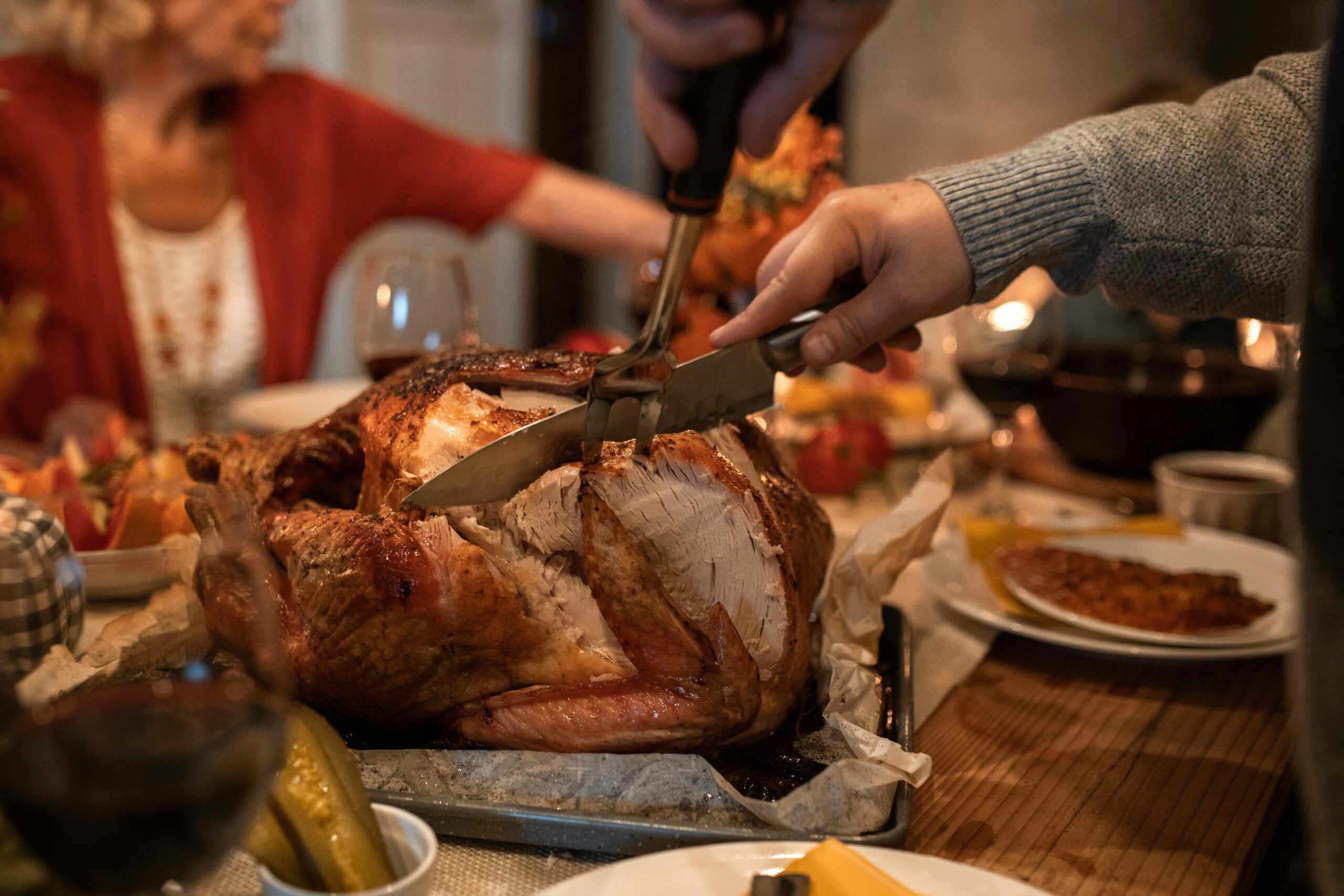
Many traditional cuisines center around communal eating—large gatherings where food is prepared collectively, shared generously, and consumed together. These feasting traditions strengthen social bonds and transmit cultural knowledge. While modern life can make such gatherings challenging, creative adaptations are keeping these traditions alive.
The potluck dinner represents one enduring form of communal feasting, but contemporary versions often add thematic elements drawn from specific cultural traditions. A Filipino kamayan feast, where food is served on banana leaves and eaten with hands, can be adapted for dinner party settings. Ethiopian dining, where multiple dishes are served on shared injera and eaten communally, translates beautifully to contemporary gatherings.
Technology also facilitates new forms of food community. Virtual cooking classes allow families separated by distance to prepare traditional recipes simultaneously. Food-focused social media groups connect people who share specific culinary interests or heritage. While these digital connections cannot fully replace in-person shared meals, they help maintain and transmit food traditions across geographic boundaries.
Preserving Traditions: Modern Methods for Ancient Practices
Food preservation allowed our ancestors to survive lean times by capturing abundance from harvest seasons. Canning, pickling, drying, smoking, and curing transformed perishable ingredients into stable provisions. These techniques are experiencing renewed interest, driven by desires for self-sufficiency, sustainability, and flavor.
Modern equipment makes traditional preserving more reliable and safer. Water bath canners and pressure canners with precise gauges reduce the risks that once made home canning potentially dangerous. Dehydrators with temperature controls and timers produce consistent results. Vacuum sealers extend freezer storage life while preventing freezer burn.
The creativity applied to traditional preserving techniques is particularly exciting. While strawberry jam and dill pickles remain popular, contemporary preservers are experimenting with unexpected combinations—pickled watermelon rinds, preserved lemon paste, dehydrated tomato powder, and smoked salt. These preserved ingredients then become building blocks for dishes that bridge traditional and contemporary cooking.
Indigenous Ingredients Gaining Recognition
Every region has indigenous ingredients that traditional cuisines developed around. Many of these were marginalized or forgotten as global food systems promoted standardized commodities. A growing movement now seeks to identify, preserve, and celebrate these indigenous ingredients, recognizing their culinary value, nutritional benefits, and cultural significance.
In North America, ingredients like wild rice, pawpaws, ramps, and Native American varieties of beans and squash are being rediscovered. Australian native ingredients—wattleseed, bush tomato, and finger lime—are moving from indigenous communities into mainstream culinary consciousness. South American crops like quinoa, amaranth, and various potato varieties are being appreciated beyond their regions of origin.
This renaissance of indigenous ingredients matters for biodiversity, cultural preservation, and culinary diversity. These ingredients often possess unique flavors unavailable in standardized alternatives while carrying stories and traditional knowledge that enrich our relationship with food.
🍷 Beverage Traditions Meet Modern Mixology
Traditional beverages offer another avenue for exploring the intersection of heritage and innovation. Ancient drinks like mead, sake, pulque, and various herbal infusions are being rediscovered by contemporary beverage creators who respect traditional production methods while exploring new expressions.
The craft cocktail movement has driven much of this exploration. Bartenders research historical drinking traditions, seeking out forgotten recipes and traditional spirits. These investigations lead to surprising discoveries—pre-Prohibition cocktails, medieval cordials, colonial-era punches—that inspire contemporary interpretations.
Non-alcoholic traditional beverages are also gaining attention. Fermented drinks like water kefir, switchel, and various traditional teas offer complex flavors and potential health benefits. These beverages align with growing interest in mindful drinking and provide sophisticated alternatives to alcohol.
The Story on Your Plate: Narrative and Tradition
Perhaps the most significant aspect of rediscovering traditional feasting concepts is the storytelling dimension. Every traditional dish carries history—stories of migration, adaptation, celebration, and survival. When we prepare and share these foods, we participate in narrative continuity that extends across generations.
Contemporary diners increasingly value this narrative dimension. They want to know where ingredients come from, who grew them, and what traditions inform their preparation. This desire for connection and meaning represents a counterbalance to the anonymity of industrial food systems.
Restaurants and food producers are responding by foregrounding these stories. Menus include ingredient origins and preparation methods. Producers share information about traditional farming practices and heritage varieties. This transparency creates deeper engagement with food, transforming meals from mere consumption into culturally meaningful experiences.
🌍 Practical Steps for Your Culinary Journey
Rediscovering traditional feasting concepts doesn’t require dramatic lifestyle changes or expert skills. Small, intentional steps can deepen your connection to food traditions while expanding your culinary repertoire. Here are practical approaches to begin this journey:
- Research your own food heritage: Talk with older relatives about traditional family recipes and preparation methods before this knowledge is lost.
- Choose one traditional technique to learn: Whether fermentation, bread baking, or preserving, mastering one traditional skill creates foundation for further exploration.
- Shop seasonally and locally: Visit farmers markets to discover what grows in your region and when, building relationships with producers who can share knowledge.
- Experiment with heritage ingredients: Purchase one unfamiliar heritage grain, vegetable variety, or spice blend each month and learn to use it.
- Host themed gatherings: Organize dinners centered around specific culinary traditions, encouraging guests to contribute dishes and share knowledge.
- Document your experiments: Keep notes on recipes, techniques, and results to create your own evolving cookbook that bridges tradition and innovation.
- Support restaurants preserving traditions: Patronize establishments that honor traditional cuisines while bringing them into contemporary contexts.
The Enduring Value of Culinary Tradition
The current enthusiasm for traditional feasting concepts represents more than trendy nostalgia. It reflects genuine human needs for connection, meaning, and continuity in an increasingly fragmented world. Food traditions link us to ancestors we never met, places we may never visit, and communities that extend across time and space.
As we face unprecedented challenges—climate change, biodiversity loss, social fragmentation—traditional food knowledge offers valuable wisdom. These practices evolved over centuries, developing sustainable relationships with local ecosystems and creating resilient food systems. By rediscovering and adapting these traditions, we don’t simply look backward; we gather tools for building better food futures.
The beauty of this culinary moment lies in its inclusivity. You don’t need to choose between tradition and innovation, between honoring the past and embracing the present. The most exciting cooking happening today does both simultaneously—respecting the wisdom encoded in traditional practices while applying contemporary creativity, techniques, and understanding.
Whether you’re fermenting vegetables using your grandmother’s crock and recipe, exploring a cuisine completely new to you, or applying modern sous vide technique to a classic braise, you’re participating in the ongoing evolution of human food culture. This evolution honors where we’ve been while remaining open to where we’re going, creating a food landscape that’s simultaneously rooted and dynamic, traditional and innovative, personal and universal. The flavors of tradition aren’t static museum pieces but living practices that continue to nourish, connect, and inspire us. 🍴
