
Anúncios
As the year draws to a close, families worldwide gather around tables laden with symbolic foods, honoring traditions that bridge past and future with every flavorful bite.

🌟 The Sacred Connection Between Food and Fresh Starts
Year-transition meals represent far more than sustenance—they embody our deepest hopes, cultural identities, and connections to generations past. These carefully prepared dishes carry centuries of meaning, transforming ordinary ingredients into vessels of intention. Whether you’re welcoming the Lunar New Year, celebrating Rosh Hashanah, or toasting at midnight on December 31st, the foods we choose reflect our universal desire for prosperity, health, and renewed beginnings.
Anúncios
The ritual of preparing and sharing these meals creates powerful moments of reflection. As we chop vegetables that symbolize longevity or knead dough that represents abundance, we’re participating in living traditions that our ancestors performed with the same reverence. This culinary continuity provides comfort in an ever-changing world, anchoring us to our heritage while propelling us toward tomorrow’s possibilities.
🍜 Global Traditions That Grace the New Year Table
Different cultures have developed remarkably diverse yet thematically similar approaches to year-transition cuisine. Understanding these traditions enriches our own celebrations and reminds us of our shared humanity across borders and belief systems.
Anúncios
Eastern Hemisphere Celebrations of Renewal
In Japan, families gather for Osechi Ryori—an elaborate collection of dishes served in beautifully layered boxes called jubako. Each component carries specific symbolism: black soybeans (mame) represent health and hard work, while herring roe (kazunoko) symbolizes fertility and prosperity. The practice of preparing these dishes days in advance allows families to rest during the first days of the year, a tradition rooted in giving household gods a well-deserved break.
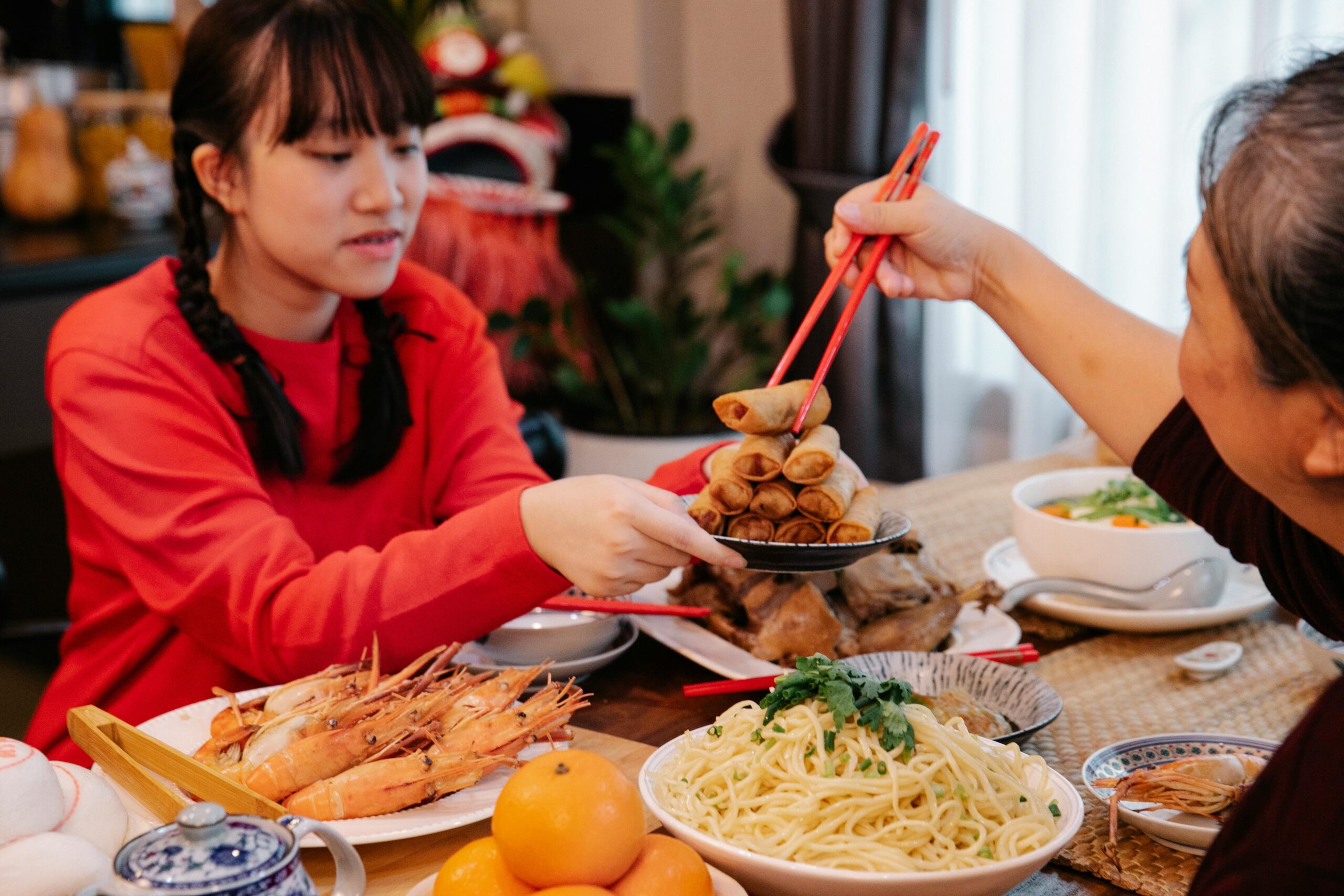
Chinese New Year celebrations revolve around foods whose names create auspicious puns. Fish (yu) sounds like “surplus,” ensuring abundance in the coming year. Dumplings resemble ancient gold ingots, promising wealth. Long noodles must never be cut, as their length represents longevity. The deliberate act of leaving some fish uneaten demonstrates faith in continued prosperity—showing you’ll have “more than enough” year after year.
Korean tables feature tteokguk, a soup made with sliced rice cakes that resemble coins. Consuming this dish on New Year’s Day symbolically adds a year to your age while bringing good fortune. The white color represents purity and new beginnings, making it the perfect vehicle for fresh-start intentions.
Western Traditions Steeped in Symbolism
Across the American South, New Year’s Day wouldn’t be complete without black-eyed peas, collard greens, and cornbread—foods collectively known as “Hoppin’ John” when combined. The peas represent coins, the greens symbolize paper money, and the golden cornbread signifies additional wealth. This tradition, with roots in African American culture, demonstrates resilience and hope passed through generations who transformed humble ingredients into powerful symbols of prosperity.
Spanish and Latin American cultures celebrate with twelve grapes at midnight—one for each stroke of the clock—making a wish with each grape consumed. This tradition, dating back to 1909 in Spain, has spread throughout Spanish-speaking communities worldwide, creating a moment of both individual reflection and collective participation as everyone races against the clock’s final chimes.
In Italy, lentils served at midnight represent coins and coming wealth due to their shape and abundance. Cotechino, a rich pork sausage, accompanies the lentils, with pork symbolizing the richness of life. Italians avoid chicken and other winged birds on New Year’s, believing that good luck might “fly away” if consumed.
🥘 Crafting Your Personal Year-Transition Menu
Creating a meaningful transitional meal doesn’t require abandoning your heritage or adopting someone else’s traditions wholesale. Instead, consider which symbolic elements resonate with your personal values and family story. The most powerful celebrations blend inherited customs with intentional choices that reflect who you are becoming.
Building Blocks of Symbolic Cuisine
Start by identifying what you want to invite into the new year. Do you seek prosperity, health, love, creativity, or peace? Once you’ve clarified your intentions, research foods traditionally associated with these qualities across various cultures. You might discover that multiple traditions use similar symbols—circles for completeness, greens for growth, or sweet foods for a “sweet” year ahead.
Consider incorporating these symbolic food categories into your menu:
- Round foods: Symbolize cycles, completeness, and coins—think lentils, grapes, or circular cakes
- Long foods: Represent longevity and continuity—noodles, whole fish, or long vegetables like leeks
- Leafy greens: Signify prosperity and growth—collards, cabbage, kale, or chard
- Golden foods: Suggest wealth and sunshine—cornbread, saffron rice, or golden pastries
- Forward-moving foods: Like pork, which roots forward, versus chicken which scratches backward
- Sweet elements: Promise a sweet year—honey, dried fruits, or sweet vegetables like carrots
Honoring Ancestral Recipes with Contemporary Touches
Perhaps the most meaningful year-transition meals marry grandmother’s recipes with modern sensibilities. That doesn’t mean disrespecting tradition—it means keeping it alive through relevance. If your family’s traditional dish contained ingredients that no longer align with your dietary choices or values, research the symbolic purpose of each component and find appropriate substitutes.
A vegan might replace the traditional pork with hearty mushrooms that still provide earthiness and substance. Someone with gluten sensitivities could craft dumplings from rice flour, maintaining the shape and intention while adapting to personal needs. The key is understanding the “why” behind each tradition so you can honor its spirit while making necessary modifications.
📖 Stories That Season Our Tables
The most cherished year-transition meals come wrapped in stories—narratives that transform recipes into living memories. These tales give context to seemingly arbitrary customs and create emotional connections that transcend the merely culinary.
Creating New Stories While Honoring Old Ones
As you prepare your transitional meal, take time to share the stories behind each dish. Why did great-grandmother insist on precisely twelve ingredients in her New Year’s stew? What hardship did your family overcome the year they started adding pomegranates to the celebration? These narratives transform dinner into a living museum, preserving cultural memory through the most accessible medium—food.
Equally important is creating space for new stories to emerge. Document the first year you hosted the celebration, or the time the main dish burned but everyone laughed and ordered pizza, or when a new family member contributed a dish from their heritage. These stories become tomorrow’s cherished traditions, adding layers of meaning with each passing year.
Consider starting a tradition of having each person at the table share a hope or reflection before the meal begins. This simple practice transforms passive consumption into active participation, making everyone a co-creator of the celebration’s meaning. Years later, people will remember not just what they ate, but what was said and felt in those moments of vulnerability and connection.
🍽️ The Preparation as Ceremony
The magic of year-transition meals begins long before anyone sits at the table. The preparation itself serves as a meditative practice, a way of processing the year behind while preparing space for what’s ahead. This is why so many cultures emphasize homemade elements—the act of creation matters as much as the final product.
Involving Multiple Generations in the Kitchen
When children help prepare symbolic foods, they absorb traditions through their hands and hearts, not just their minds. A child who shapes dumplings alongside their grandmother receives an education that no book can provide. They learn that careful work produces beautiful results, that patience has its rewards, and that they are part of something larger than themselves.
These kitchen moments also provide natural opportunities for storytelling. As hands stay busy with chopping, stirring, and shaping, tongues loosen with memories and wisdom. The informal atmosphere of shared work creates space for conversations that might never happen in more formal settings. Teenagers who might resist a “serious talk” often open up while rolling out dough or washing vegetables.
Solo Preparation as Mindful Practice
If you’re celebrating alone or prefer solitary preparation before guests arrive, the kitchen becomes a space for personal ritual. As you work, reflect on the year passing—its triumphs and disappointments, lessons learned and growth achieved. Each ingredient you add can represent something you’re releasing or inviting. This transforms cooking from a chore into a ceremony of personal renewal.
Consider creating a playlist of music that spans the year, or that represents your hopes for the coming one. Light a special candle. Work slowly and deliberately, treating each step as an act of mindfulness rather than rushing to completion. This intentional approach infuses your food with an energy that others will feel, even if they can’t name it.
🌍 Fusion Celebrations for Modern Families
Contemporary families often blend multiple cultural backgrounds, creating beautiful opportunities for fusion celebrations that honor diverse heritages. These hybrid meals tell the story of love crossing boundaries and traditions evolving to embrace new realities.
Balancing Multiple Traditions Gracefully
If your household includes partners from different backgrounds, consider alternating which tradition takes center stage each year, or create a menu that thoughtfully incorporates elements from each heritage. A table might feature both Southern black-eyed peas and Chinese dumplings, Spanish grapes and Italian lentils. Rather than diluting any single tradition, this approach celebrates the family’s unique composition.
When explaining these blended celebrations to children, emphasize that they’re not choosing between traditions but rather inheriting a richer tapestry. They get to carry forward multiple legacies, becoming bridges between cultures and living examples of how traditions adapt and thrive across generations and geographies.
🎉 Beyond the Meal: Complete Rituals of Transition
While food anchors year-transition celebrations, complementary rituals deepen the experience and create multiple touchpoints for meaning-making. These additional elements transform a special dinner into a holistic ceremony of renewal.
Pre-Meal Clearing Rituals
Many cultures emphasize cleaning before new year celebrations, symbolically sweeping away the old year’s accumulated dust—both literal and metaphorical. In some traditions, this cleaning must be completed before the new year arrives; afterward, you risk sweeping away incoming good fortune. Whether or not you subscribe to this superstition, a thorough cleaning creates psychological space for new beginnings and demonstrates respect for the celebration’s importance.
Consider adding a personal or family reflection ritual before the meal. Light candles representing the months past, then extinguish them while naming what you’re releasing. Light new candles for the coming year while voicing intentions. Write regrets or disappointments on paper and safely burn them, letting smoke carry away what no longer serves you.
During-Meal Practices That Deepen Connection
Structure your meal to encourage presence and connection rather than rushing through courses. Between dishes, share specific memories from the past year, or have each person name something they’re grateful for. Some families pass a special object—a stone, shell, or heirloom—that designates whose turn it is to speak, ensuring everyone receives undivided attention.
If your tradition includes toasting, make these moments meaningful by encouraging specific, heartfelt words rather than generic cheers. What specific quality do you toast in each person present? What shared experience from the past year deserves acknowledgment? These detailed toasts create emotional high points that people will remember long after the meal ends.
Post-Meal Traditions That Extend the Magic
Don’t let the celebration end when plates are cleared. Many cultures have post-meal traditions that extend the ritual: taking a special walk, playing music and dancing, or staying awake until dawn to “witness” the first sunrise of the new year. Creating your own post-meal ritual gives everyone something to anticipate and provides structure for the potentially awkward transition from formal meal back to ordinary life.
Consider starting a tradition of collaborative art-making after dinner—everyone contributes to a family vision board, or creates personal ones while sitting together. Write letters to your future selves to be opened next year. Share creative performances—poems, songs, or stories. These activities extend the sense of celebration while activating different forms of expression and connection.
🌱 Sustaining Traditions in Challenging Times
Life doesn’t always cooperate with our ceremonial plans. Family members scatter across continents, health issues arise, financial constraints tighten, or global events disrupt normal gathering. Maintaining traditions during difficult times requires flexibility and creativity, but also demonstrates their true value.
Adapting Without Abandoning
When full traditional celebrations become impossible, identify the tradition’s essential element—the irreducible core that carries its meaning—and preserve that, even if you must release peripheral details. Perhaps you can’t prepare the full elaborate meal, but you can make one symbolic dish. Maybe family can’t gather in person, but you can cook the same menu while video calling, sharing a virtual table across distances.
Simplified traditions aren’t lesser traditions. Sometimes constraints force us to clarify what truly matters, burning away excess to reveal essential meaning. A year when you celebrated with just a single meaningful dish shared with one loved one might become one of your most cherished memories precisely because circumstances stripped away everything but core connection.
💚 Sustainable and Conscious Celebrating
As awareness grows about food systems’ environmental and social impacts, many people are reimagining year-transition meals to align with sustainability values. This doesn’t mean abandoning tradition, but rather asking how traditions can evolve to reflect contemporary understanding and ethics.
Choose local and seasonal ingredients when possible, supporting regional farmers and reducing transportation impacts. If traditional recipes call for out-of-season produce, consider whether the symbolic purpose could be served by a seasonal alternative. Research the origins of imported ingredients to ensure fair labor practices. Reduce food waste by planning portions carefully and having plans for leftovers.
These conscious choices don’t diminish celebrations—they enhance them by ensuring that our hopes for a better future don’t come at others’ expense. Teaching children to consider these dimensions adds depth to traditions, helping them understand that meaningful celebrations honor not just our ancestors and families, but also our planet and global community.
✨ The Deeper Nourishment of Ceremonial Eating
Ultimately, year-transition meals nourish us on multiple levels simultaneously. The physical body receives sustenance, yes, but the psychological, emotional, and spiritual dimensions also feed on these occasions. We hunger for meaning, connection, continuity, and hope—and thoughtfully prepared symbolic meals satisfy these deeper appetites.
In our accelerated modern lives, these intentional pauses become increasingly precious. Year-transition meals give us permission—even obligation—to stop, gather, reflect, and celebrate. They remind us that we’re not isolated individuals rushing through disconnected days, but rather participants in ancient patterns, members of families and communities, inheritors of wisdom, and creators of tomorrow’s traditions.
As you plan your next year-transition celebration, remember that perfection matters far less than intention. The slightly burned dish seasoned with laughter becomes more memorable than the flawless meal consumed in tension. What matters is showing up fully, honoring what came before while welcoming what’s ahead, and savoring both the food and the precious company with whom you share it.
These meals are not about escaping time but rather embracing it—acknowledging its passage while affirming our choice to mark it meaningfully. In eating together with purpose and presence, we transform ordinary ingredients and everyday acts into something sacred, creating memories that will nourish us through all the ordinary days ahead until we gather once again to celebrate another turning of the year.
