
Anúncios
Ceremonial food gatherings weave together tradition, culture, and memory, creating bonds that transcend time and connect generations through shared meals and rituals.

Throughout human history, food has served as more than mere sustenance. It has functioned as a cultural cornerstone, a language of love, and a bridge between past and future. Ceremonial food gatherings represent the pinnacle of this relationship, where communities come together to honor traditions, celebrate milestones, and preserve their heritage through carefully prepared dishes and time-honored rituals.
Anúncios
These gatherings are living museums of cultural identity, where recipes passed down through generations become edible heirlooms, and the act of preparing and sharing food transforms into a sacred practice. From elaborate wedding feasts to solemn memorial meals, from seasonal harvest celebrations to religious observances, ceremonial food gatherings anchor us to our roots while adapting to contemporary contexts.
🍽️ The Sacred Geometry of Traditional Feasts
Ceremonial food gatherings operate on multiple dimensions simultaneously. They function as social events, spiritual practices, educational moments, and cultural preservation efforts all at once. The preparation for these gatherings often begins days or weeks in advance, with specific family members taking on designated roles that have been theirs for years or even decades.
Anúncios
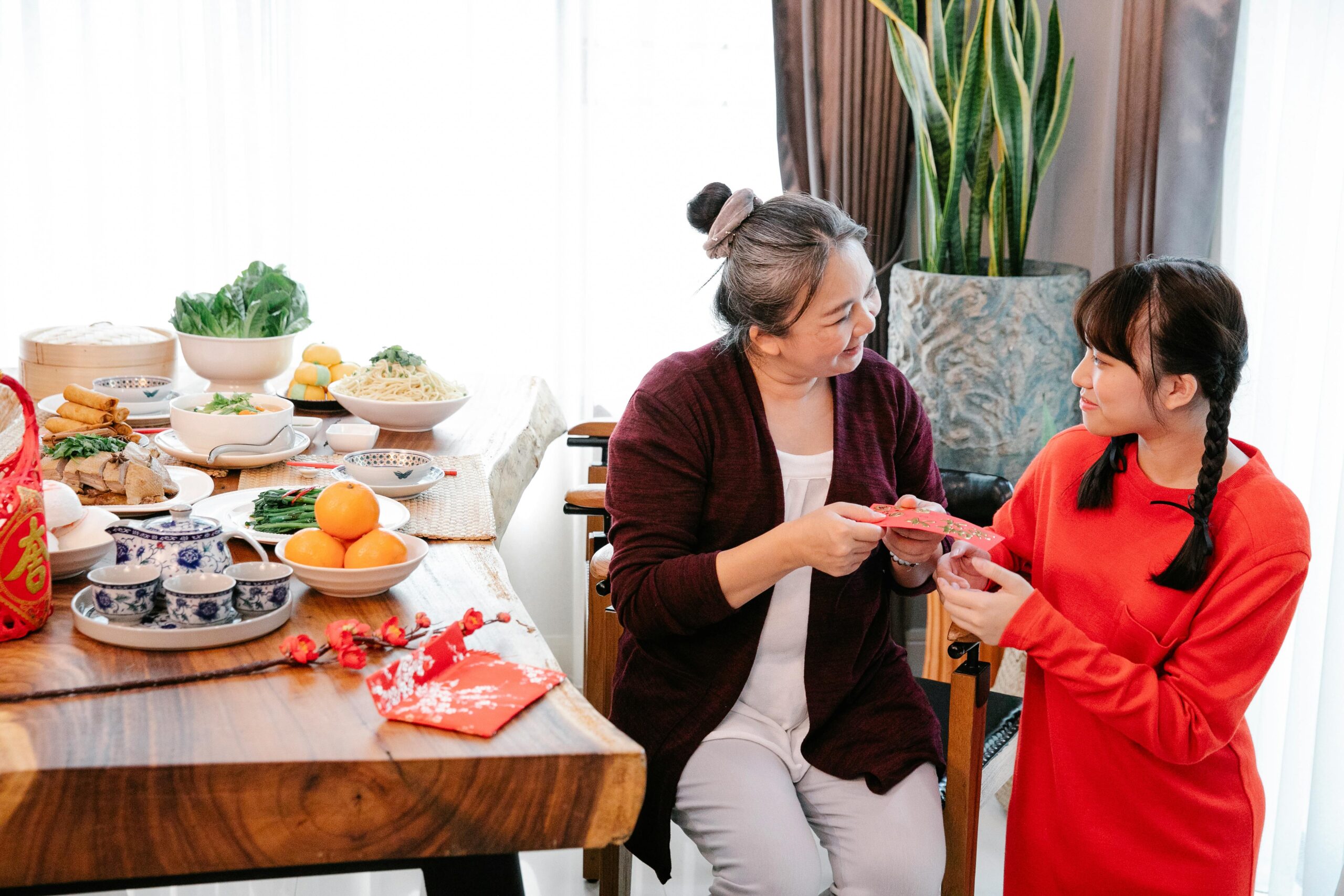
The kitchen becomes a classroom where grandmothers teach granddaughters the precise motion for kneading dough, where uncles pass down the secret spice ratios that make a dish unmistakably “family,” and where children absorb not just cooking techniques but entire worldviews embedded in culinary traditions. This intergenerational knowledge transfer happens organically, almost invisibly, yet its impact resonates across lifetimes.
What distinguishes ceremonial food gatherings from ordinary meals is their intentionality. Every element carries meaning—from the selection of ingredients to the order in which dishes are served, from who sits where to which stories are told between courses. These gatherings create a ritualized space where the mundane transforms into the meaningful, where eating becomes communion in the deepest sense of the word.
The Architecture of Memory in Food Traditions
Our memories are profoundly linked to taste and smell, making food an extraordinarily powerful vehicle for cultural transmission. A single bite of a traditional dish can transport someone across decades, reconnecting them with childhood experiences, departed loved ones, and ancestral homelands they may have never physically visited.
This sensory time-travel explains why immigrant communities maintain elaborate ceremonial food practices even generations after leaving their countries of origin. The Vietnamese Tết celebration in California, the Polish Wigilia dinner in Chicago, the Ethiopian coffee ceremony in Washington D.C.—these gatherings function as cultural anchors, allowing diaspora communities to maintain connection with their heritage while building new traditions in their adopted homes.
🌍 Global Tapestry: Ceremonial Gatherings Across Cultures
While every culture has its unique ceremonial food traditions, common threads weave through these diverse practices. Most involve elaborate preparation periods, specific symbolic foods, communal participation, and prescribed rituals that give structure and meaning to the gathering.
In Japan, the New Year’s osechi-ryori involves carefully prepared dishes, each with symbolic significance—black beans for health, herring roe for fertility, shrimp for longevity. Families spend days preparing these foods, which are arranged in special lacquered boxes and eaten over the first three days of the new year. The practice connects modern Japanese families to centuries of tradition while adapting to contemporary lifestyles.
Mexican Day of the Dead celebrations feature elaborate ofrendas (altars) laden with the deceased’s favorite foods, pan de muerto (bread of the dead), sugar skulls, and marigolds. Families gather in homes and cemeteries to share meals with both the living and the spirits of their ancestors, erasing the boundary between worlds through the communion of food.
The Ethiopian coffee ceremony exemplifies how a simple beverage can become an elaborate ritual lasting hours. The green coffee beans are roasted over fire, ground by hand, and brewed in a traditional clay pot called a jebena. Served in three rounds with specific names and purposes, this ceremony creates space for conversation, conflict resolution, and community bonding.
The American Thanksgiving Paradox
In the United States, Thanksgiving represents both the power and complexity of ceremonial food gatherings. For many families, it’s the most important food-centered holiday of the year, drawing relatives from across distances to share a meal centered on turkey, stuffing, cranberry sauce, and pumpkin pie. The specific dishes and how they’re prepared vary by family, region, and cultural background, creating millions of unique iterations of a shared national tradition.
Yet Thanksgiving also illustrates how ceremonial food gatherings can carry contested meanings. While many celebrate it as a harvest festival focused on gratitude and family, Indigenous communities observe it as a day of mourning, remembering colonization and genocide. This tension reminds us that food traditions never exist in a political vacuum—they always carry histories, power dynamics, and competing narratives.
👨👩👧👦 Generational Dialogues Around the Table
Ceremonial food gatherings serve as crucial spaces for intergenerational connection in an era when families are often geographically dispersed and absorbed in individual digital worlds. These gatherings mandate presence—both physical and attentional—creating rare opportunities for different generations to engage deeply with one another.
Elders function as living libraries during these events, sharing stories, techniques, and wisdom that cannot be found in cookbooks or online videos. Middle generations serve as bridges, translating between the traditional knowledge of their parents and the contemporary contexts of their children. Youngest generations bring fresh perspectives, asking questions that cause everyone to examine assumptions and sometimes adapt traditions in innovative ways.
This generational dynamic isn’t always harmonious. Tensions can arise when younger family members want to modify traditional recipes, when dietary restrictions conflict with customary dishes, or when differing values around food production and consumption emerge. Yet these tensions themselves are productive, forcing families to negotiate which aspects of tradition are essential and which can evolve.
The Documentation Imperative
Many families are recognizing the urgency of documenting their ceremonial food traditions before knowledge is lost. This has led to various preservation approaches, from handwritten recipe books passed as inheritances to video recordings of elders demonstrating cooking techniques, from family food blogs to collaborative cookbooks that capture multiple generations’ contributions.
Technology has transformed this documentation process, making it easier than ever to preserve not just recipes but the entire context surrounding them—the stories, the techniques, the sensory details that make a dish come alive. Families now film holiday preparations, record oral histories about food memories, and create digital archives that can be shared across geographic distances.
🔄 Evolution Within Tradition: How Ceremonial Gatherings Adapt
Contrary to the assumption that traditional practices are static, ceremonial food gatherings constantly evolve while maintaining their core identity. This dynamic balance between continuity and change explains how traditions survive across generations and geographic migrations.
Adaptations occur for various reasons. Ingredient availability shifts—immigrants substitute local ingredients for those unavailable in their new homes, creating hybrid dishes that honor tradition while acknowledging present realities. Family structures change—as more women work outside the home, labor-intensive dishes may be simplified or preparation may be distributed differently among family members. Health awareness evolves—traditional recipes get modified to reduce sugar, salt, or fat while attempting to preserve essential flavors.
Sometimes these adaptations provoke controversy, with some family members viewing changes as betrayals of tradition while others see them as necessary evolution. The most resilient traditions seem to be those that maintain flexibility around methods while preserving essential meanings and values.
The Vegetarian/Vegan Question
Perhaps no contemporary issue creates more tension in traditional food gatherings than the rise of vegetarian and vegan diets, particularly when they conflict with food traditions centered on animal products. How does a family maintain its Italian Sunday gravy tradition when a member is vegan? What happens to Korean barbecue gatherings when participants don’t eat meat?
Creative families are finding solutions that honor both tradition and individual choices—creating parallel versions of dishes, focusing on the vegetable-based elements that have always been part of the meal, or recognizing that the gathering’s essence lies not in specific ingredients but in the act of coming together with intention. These adaptations demonstrate that tradition’s core often lies not in rigid adherence to specific recipes but in the values and connections they represent.
🎭 Ritual, Performance, and the Theater of Food
Ceremonial food gatherings contain significant performative elements. There’s often a prescribed order of events, specific roles individuals must play, and expectations about how participants should behave. This ritualization transforms ordinary eating into something theatrical and symbolic.
The Jewish Passover Seder exemplifies this theatrical quality perfectly. The meal follows a specific script (the Haggadah), includes ritual foods arranged on a special plate, involves questions asked by the youngest capable child, and weaves together eating with storytelling, singing, and symbolic actions. Participants aren’t just eating—they’re reenacting a narrative, embodying history, and performing their identity.
Similarly, Chinese wedding banquets follow elaborate protocols regarding the number of courses (usually eight or ten, as these are lucky numbers), the types of dishes served (whole fish for completeness, lobster for prosperity), and the timing of various rituals like tea ceremonies and toasts. The meal becomes a carefully choreographed performance that demonstrates cultural literacy and family status.
The Role of Preparation Rituals
For many ceremonial gatherings, the preparation process is as ritualized and meaningful as the eating itself. Italian families spending Sunday morning making pasta together, South Asian communities gathering to prepare large batches of samosas for celebrations, African American families preparing for church homecoming dinners—these preparatory rituals create community, transmit skills, and build anticipation for the gathering itself.
These preparation sessions often follow their own hierarchies and traditions. Certain family members have authority over specific dishes, younger members learn by observation and assistance, and the kitchen space becomes temporarily structured by ritual rather than efficiency. This ritualized preparation transforms cooking from mere task into sacred work.
💔 When Traditions Break: Loss, Displacement, and Recovery
Ceremonial food traditions prove remarkably fragile, vulnerable to disruption from war, displacement, urbanization, assimilation pressures, and generational disconnection. When communities are forcibly dispersed, when elders die before passing on knowledge, when younger generations reject their heritage, or when economic circumstances make traditional practices impossible, these food traditions can vanish within a single generation.
The recovery of lost food traditions has become an important cultural movement. Indigenous communities are reclaiming traditional foodways that were suppressed by colonization. Immigrant descendants are traveling to ancestral homelands to learn cooking techniques their own parents never taught them. Communities are creating oral history projects specifically focused on food memories before they disappear forever.
This recovery work reveals how much more than recipes gets lost when food traditions disappear. Along with the dishes go entire systems of knowledge about agriculture, nutrition, medicine, social organization, environmental stewardship, and spiritual practice. Food traditions contain whole worldviews, making their preservation a matter of cultural survival.
🌱 Creating New Traditions: Intentional Culture-Building
While much discussion of ceremonial food gatherings focuses on preserving inherited traditions, many people today are intentionally creating new traditions that reflect their values, relationships, and communities. These invented traditions may draw on multiple cultural heritages, respond to contemporary concerns, or emerge from chosen families rather than biological ones.
Urban “Friendsgiving” celebrations, potluck traditions in intentional communities, monthly gathering circles with ritual sharing of food, and neighborhood harvest parties represent this new tradition-building. While they may lack the historical depth of inherited practices, they fulfill the same human needs for ritual, community, and meaningful connection through food.
These new traditions often feature greater flexibility and inclusivity than some historical practices, consciously accommodating dietary restrictions, welcoming diverse family structures, and distributing labor more equitably. They demonstrate that the human need for ceremonial food gatherings transcends specific cultural forms—it’s a universal impulse that will find expression in every era and context.
🎯 The Future of Ceremonial Food Gatherings
As we look forward, ceremonial food gatherings face both threats and opportunities. Digital distraction, busy schedules, geographic dispersion, and cultural assimilation pressure all challenge these practices. Yet simultaneously, growing interest in food culture, increased appreciation for cultural diversity, concern about preserving heritage, and hunger for authentic community create favorable conditions for these traditions to flourish.
Climate change may force significant adaptations as traditional ingredients become unavailable or prohibitively expensive. Water scarcity, agricultural disruption, and environmental consciousness may reshape what and how we eat during ceremonial gatherings. These changes need not destroy traditions but rather may push them to evolve in ways that honor both heritage and planetary sustainability.
Technology will likely play an increasingly complex role. Virtual gathering tools allowed families to maintain ceremonial connections during the COVID-19 pandemic, with relatives cooking the same dishes in different locations and sharing meals over video calls. While these digital gatherings can’t fully replace in-person experiences, they create possibilities for maintaining traditions across distances that would have been impossible in earlier eras.
Teaching the Art of Gathering
Perhaps the most important task facing current generations is teaching younger people not just specific recipes or rituals but the underlying art of gathering itself—how to create meaningful ceremonial space, how to balance tradition with adaptation, how to use food as a vehicle for connection and cultural transmission.
This education must be experiential rather than merely informational. Young people need to participate in preparations, take on meaningful roles, feel the satisfaction of contributing to something larger than themselves, and experience how ceremonial gatherings create belonging and identity. When they understand the deeper purposes these gatherings serve, they’re more likely to maintain and adapt them for future generations.
Ceremonial food gatherings represent humanity’s ongoing conversation with itself across time. They connect us to ancestors we never met, teach us who we are, and project our values forward to descendants we’ll never know. In a fragmented world obsessed with efficiency and individualism, these gatherings insist on the sacred value of coming together with intention, sharing food prepared with care, and honoring the traditions that make us who we are. By savoring these traditions while allowing them to evolve, we participate in cultural continuity—becoming both inheritors and creators of the stories we’ll eventually leave behind.
