
Anúncios
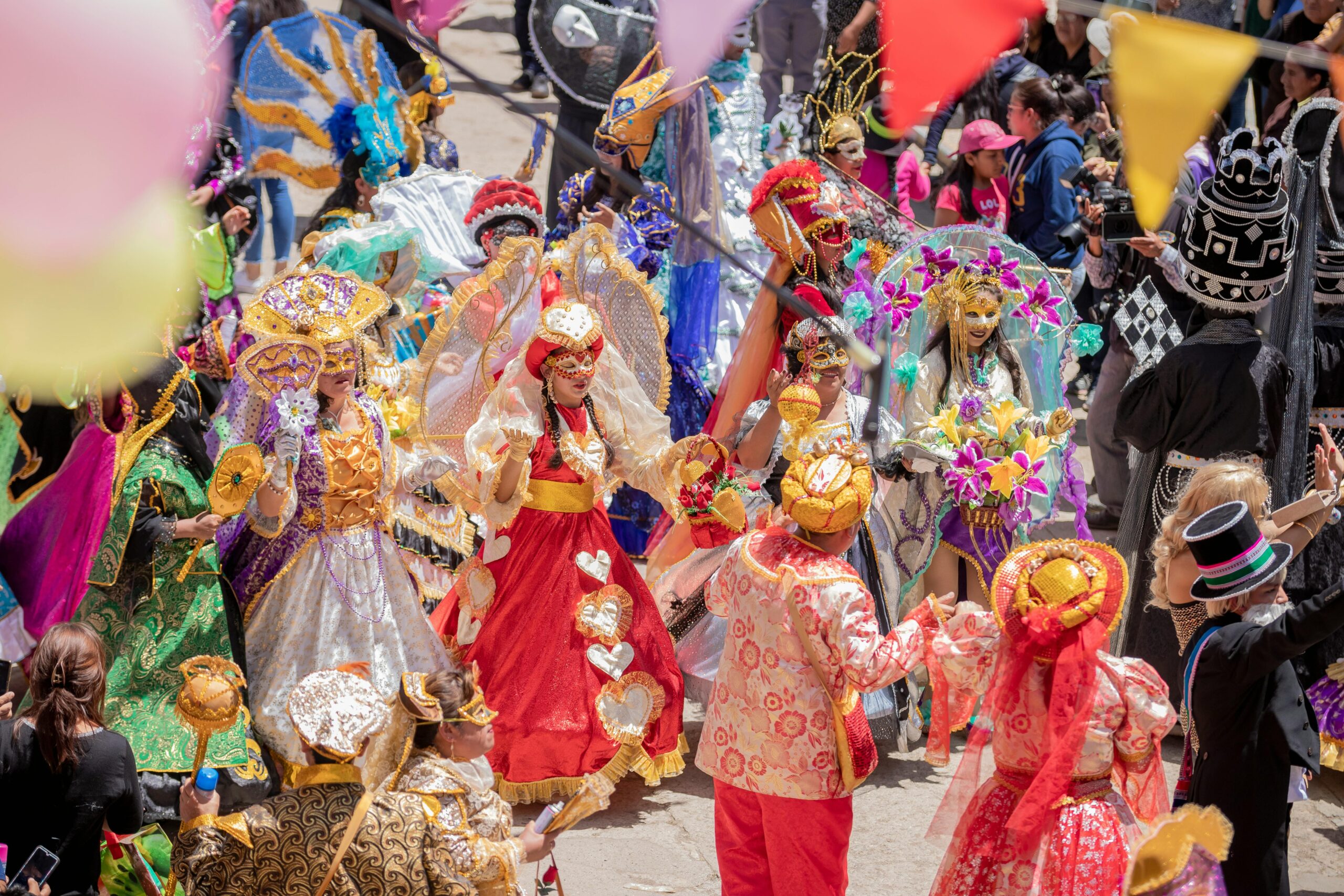
Food processions transform streets into living galleries where culture, tradition, and community blend in colorful celebration, creating unforgettable experiences that nourish both body and soul.

🎉 The Magic of Moving Feasts: Where Food Meets Festivity
Across continents and cultures, processional food celebrations represent far more than simple parades or culinary displays. These vibrant traditions embody the essence of community identity, historical memory, and collective joy. When communities take to the streets with food at the center of their celebrations, they create immersive experiences that engage all senses and unite people across generations, social classes, and backgrounds.
Anúncios
The act of processing—moving together through public spaces with intentionality and purpose—transforms ordinary streets into sacred routes of cultural transmission. Food becomes the medium through which stories are told, values are reinforced, and connections are forged. Whether it’s the aroma of freshly prepared dishes wafting through crowded lanes or the sight of elaborately decorated food offerings carried on shoulders, these celebrations create memorable moments that define community identity.
In an increasingly digital and fragmented world, processional food celebrations offer something profoundly human: the opportunity to gather physically, share experiences simultaneously, and participate in traditions that connect us to our ancestors while building memories for future generations. These events remind us that food is never merely sustenance—it’s a language of love, belonging, and shared humanity.
Anúncios
🌍 Asia’s Grand Culinary Processions: Tradition in Motion
Asian cultures have perfected the art of processional food celebrations over millennia, creating spectacles that dazzle the eyes while honoring deep spiritual and cultural values. These events often blur the lines between religious devotion, community celebration, and culinary artistry.
Thailand’s Vegetarian Festival: A Parade of Purity
Each October, the streets of Phuket transform into rivers of white and yellow as devotees celebrate the Nine Emperor Gods Festival. This remarkable processional celebration features elaborate displays of vegetarian and vegan cuisine, with street vendors creating stunning plant-based dishes that challenge any notion that vegetarian food lacks creativity or appeal.
Participants dress in white, symbolizing purity, as they process through streets lined with food stalls offering everything from mock meats to intricate vegetable carvings. The processions include massive altars adorned with fruits, vegetables, and plant-based offerings, carried through communities while firecrackers explode and incense fills the air. This celebration demonstrates how dietary restrictions can inspire culinary innovation rather than limitation.
India’s Rath Yatra: Feeding Thousands on the Move
The Jagannath Rath Yatra in Puri, India, represents one of the world’s oldest and largest processional celebrations. During this festival, massive chariots carrying deities are pulled through streets by thousands of devotees, while an equally impressive operation feeds hundreds of thousands of pilgrims daily.
The temple’s kitchen, considered the world’s largest, prepares sacred food called mahaprasad using traditional methods passed down through generations. This blessed food is distributed during and after the procession, with the act of sharing considered spiritually significant. The festival exemplifies how processional food celebrations can operate at massive scales while maintaining intimate spiritual connections.
Japan’s Matsuri: Portable Shrines and Street Food Harmony
Japanese matsuri festivals combine spiritual processions of portable shrines (mikoshi) with vibrant street food cultures. As communities carry these sacred objects through neighborhoods, food vendors line the routes offering regional specialties from takoyaki to yakisoba, taiyaki to kakigori.
These festivals demonstrate perfect synergy between sacred and secular, where religious observance and culinary enjoyment coexist naturally. The processions pause at designated spots where food offerings are made to deities, while spectators enjoy the same foods in celebration, creating a shared culinary experience that bridges the divine and human realms.
🇪🇺 European Traditions: Blessings, Harvests, and Culinary Heritage
European processional food celebrations often center on agricultural cycles, religious observances, and the celebration of regional culinary identities. These traditions connect contemporary communities with centuries of history.
Spain’s Corpus Christi: Carpets of Flowers and Bread
In towns across Spain, Corpus Christi celebrations feature stunning street carpets made from flowers, colored sawdust, and sometimes bread or grains. Religious processions walk over these ephemeral artworks, with communities spending days creating intricate designs that last mere hours.
Following the solemn processions, communities gather for feasts featuring regional specialties. In Toledo, the celebration includes traditional marzipan sweets shaped into religious symbols. This juxtaposition of the sacred and the delicious, the temporary and the traditional, creates powerful community experiences that honor both faith and culinary heritage.
Italy’s Infiorata: Flower Petals and Festival Foods
Similar to Spanish traditions, Italian towns create elaborate street carpets from flower petals for religious processions. In Genzano and other communities, artists design massive floral artworks that processional routes traverse, while local food specialties are prepared and shared.
These festivals celebrate regional identity through both visual and culinary arts. Each town showcases its particular cheeses, wines, breads, and sweets, turning the entire event into a moveable feast that educates participants about local agricultural traditions and culinary techniques passed through generations.
Portugal’s Tabuleiros Festival: Towering Bread Crowns
Every four years, the Portuguese city of Tomar hosts the Festival of the Tabuleiros, where young women balance enormous crowns made of bread loaves and flowers on their heads during a grand procession. These towers, often taller than the carriers themselves, contain thirty loaves arranged in precise patterns and decorated with paper flowers and wheat stalks.
After the procession, the bread is blessed and distributed to needy families, transforming the spectacle into an act of community charity. This tradition dating to the 14th century demonstrates how processional food celebrations can combine visual drama, religious devotion, and social welfare in single unified events.
🌎 Americas: Blending Indigenous and Colonial Traditions
Processional food celebrations throughout the Americas reflect complex cultural histories where indigenous, European, African, and Asian influences have merged to create unique hybrid traditions.
Mexico’s Day of the Dead Processions: Feeding the Ancestors
While Día de los Muertos is celebrated privately at home altars and cemeteries, many Mexican communities have developed public processions featuring elaborate displays of traditional foods. Participants carry offerings of pan de muerto, sugar skulls, fruits, and favorite dishes of deceased loved ones through streets decorated with marigold petals.
These processions transform death from something feared into something celebrated, with food serving as the bridge between the living and the dead. The communal aspect—processing together through public spaces with food offerings—reinforces the cultural belief that death doesn’t sever connections but transforms them. Communities gather afterward to share foods from the offerings, extending the celebration from spiritual observance to social bonding.
Brazilian Festa Junina: Harvest Celebrations Meet Street Parties
June festivals throughout Brazil combine Catholic saints’ days with celebrations of corn harvest and rural traditions. While not strictly processional in the parade sense, these festivals feature community members moving between decorated stalls offering traditional foods like canjica, pamonha, and pé-de-moleque.
The communal movement through food spaces, the sharing of regional specialties, and the collective participation in food preparation before festivals create processional experiences where the journey through culinary offerings becomes as important as the foods themselves. These celebrations strengthen urban connections to rural foodways and agricultural traditions.
North American Thanksgiving Parades: Commerce Meets Community
While commercialized, North American Thanksgiving parades represent processional celebrations centered on food-focused holidays. The Macy’s Thanksgiving Day Parade in New York has evolved into a massive spectacle that kicks off a day devoted to communal feasting.
Community Thanksgiving events in smaller towns often feature more intimate processional elements: food drives where donations are paraded to collection points, community meals where dishes are processed from kitchen to serving tables in ceremonial fashion, and harvest festivals where local produce is displayed and celebrated before being shared.
🌏 Africa and the Middle East: Ancient Routes, Modern Celebrations
Processional food traditions in Africa and the Middle East often connect to pilgrimage routes, harvest celebrations, and community rites of passage, with food serving as both practical sustenance and symbolic offering.
Morocco’s Moussem Festivals: Pilgrimage and Plenty
Moussem festivals throughout Morocco combine religious pilgrimage with massive communal celebrations featuring regional cuisines. Participants process to saint tombs and sacred sites, with entire communities traveling together, preparing and sharing foods along routes.
These festivals showcase Moroccan culinary diversity, from couscous variations to tagines, mint tea ceremonies to honey-soaked pastries. The processional nature—the physical journey undertaken collectively with intentional food preparation and sharing at each stage—creates powerful bonding experiences that reinforce community identity and spiritual connection.
Ethiopian Meskel: Fire, Flowers, and Fasting’s End
The Ethiopian celebration of Meskel, commemorating the finding of the True Cross, features impressive processions where communities march to designated squares carrying flaming torches. Following the bonfire ceremony, communities break fasts with traditional foods, particularly doro wat and injera.
The transition from procession to feast, from spiritual observance to communal eating, demonstrates how food celebrations mark transitions between sacred and social time, individual devotion and collective joy.
🍽️ The Social Alchemy: How Processional Food Events Build Community
Processional food celebrations achieve something remarkable: they transform individual consumers into community participants. The mechanisms through which this happens offer insights into community building that extend beyond specific cultural contexts.
Shared Preparation Creates Investment
Most processional food celebrations require extensive advance preparation involving numerous community members. Whether creating elaborate bread towers, preparing thousands of meals, or decorating food offerings, this collective labor builds investment in the event’s success and creates relationships between participants before celebrations even begin.
Physical Movement Generates Emotional Connection
The act of processing—walking together with shared purpose—creates physiological synchronization between participants. Studies show that synchronized movement increases social bonding, empathy, and cooperative behavior. When this movement centers on food, it connects these enhanced social feelings with sustenance and pleasure, creating powerful positive associations.
Spectacle and Participation Break Social Barriers
Processional food celebrations blur lines between performers and audience. Spectators become participants, observers become consumers, and individuals become community members. The public, outdoor nature of these events makes them accessible across social classes in ways that private celebrations cannot achieve.
Tradition Provides Continuity Amid Change
In rapidly changing world, processional food celebrations offer anchors of continuity. They connect participants to ancestors who performed the same rituals, prepared the same foods, and walked the same routes. This sense of historical continuity provides psychological stability and cultural identity particularly valuable in times of social disruption.
🌟 Creating Your Own: Principles for Building Food Processions
Communities seeking to develop or revitalize processional food celebrations can draw on principles evident across successful traditions worldwide. These guidelines respect cultural specificity while identifying common elements that make such celebrations meaningful and sustainable.
- Ground celebrations in authentic local food traditions rather than importing practices disconnected from community history and resources
- Involve multiple generations in planning and execution, ensuring knowledge transfer and diverse perspectives
- Create specific roles that allow varying levels of participation, from central organizers to casual spectators
- Design processional routes that connect meaningful community spaces and accommodate both participants and spectators
- Balance spectacle with accessibility, ensuring events remain inclusive rather than exclusive
- Document traditions through photos, videos, and written records that help maintain consistency while allowing organic evolution
- Plan for sustainability regarding both environmental impact and organizational capacity for annual execution
- Create feedback mechanisms that let community members shape future celebrations
📱 Documenting and Sharing: Technology Meets Tradition
Modern technology offers unprecedented opportunities to document, share, and amplify processional food celebrations without diminishing their authenticity or community focus. Social media platforms allow local celebrations to achieve global audiences, inspiring other communities and connecting diaspora members with homeland traditions.
Photography and videography apps help participants capture and share their experiences in real-time, creating digital archives that complement oral traditions. These visual records serve educational purposes, helping younger generations understand ceremonial significance while providing practical guides for preparation techniques.
For communities organizing processional food celebrations, event management and communication apps can streamline coordination among numerous volunteers, though organizers should ensure technology enhances rather than replaces face-to-face interactions that build community bonds.
🌈 The Future of Processional Food Celebrations
As urbanization intensifies and digital life increasingly dominates human attention, processional food celebrations may become even more culturally valuable. These events offer antidotes to isolation, screen fatigue, and disconnection from physical community and embodied tradition.
Climate change and sustainability concerns will likely influence future celebrations, with communities adapting traditional practices to reflect environmental awareness. This might mean emphasizing local, seasonal ingredients, reducing food waste through better planning, or incorporating environmental themes into processional messaging.
Migration and cultural mixing will continue creating hybrid celebrations that honor multiple traditions simultaneously, reflecting the complex identities of increasingly diverse communities. These fusion celebrations, far from diluting authenticity, represent living culture’s natural evolution.
The COVID-19 pandemic demonstrated how deeply communities value physical gathering and shared celebration. The enthusiastic return of processional food celebrations after restrictions lifted revealed their psychological and social importance. Future challenges will likely strengthen rather than diminish communities’ commitment to maintaining these traditions.
🎊 Embracing the Journey: More Than Destination
Processional food celebrations remind us that life’s richness often lies in journeys rather than destinations, in communal experiences rather than individual achievements, and in traditions that connect us across time. When communities unite through vibrant food processions, they create moments of collective joy that nourish spirits as much as bodies.
These celebrations demonstrate food’s power as cultural glue, binding individuals into communities and generations into living traditions. They prove that the most meaningful experiences often happen not in isolation but in company, not in consumption but in sharing, not in preservation but in living practice.
Whether you’re walking behind towering bread crowns in Portugal, processing toward temple kitchens in India, or creating new traditions in your own community, processional food celebrations offer invitations to something profoundly human: the joy of moving together, eating together, and celebrating together the abundance and diversity of our shared world.
In savoring these journeys, we discover that the procession itself—the preparation, the anticipation, the collective movement through space and time—matters as much as any destination. The communities we build, strengthen, and celebrate through these vibrant traditions become the feast’s most nourishing element, sustaining us long after the last morsel is consumed and the streets return to everyday rhythms. 🌍✨
