
Anúncios
Measuring objects and spaces has never been easier thanks to modern technology and the rise of innovative measuring tape apps available on your smartphone.

Gone are the days when you needed to carry a physical measuring tape everywhere you go. With just a few taps on your mobile device, you can accurately measure furniture, rooms, packages, and virtually anything else that requires precise dimensions. These digital measuring tools leverage augmented reality and advanced camera technology to deliver surprisingly accurate results.
Anúncios
Whether you’re a DIY enthusiast planning your next home improvement project, a professional contractor needing quick measurements on site, or simply someone who wants to know if that new couch will fit through your doorway, measuring tape apps offer incredible convenience and functionality that fits right in your pocket. 📱
Why Traditional Measuring Tapes Are Becoming Obsolete
The shift from physical measuring tapes to digital applications represents a significant evolution in how we approach everyday tasks. Traditional measuring tapes, while reliable, come with several limitations that modern technology has addressed brilliantly.
Anúncios

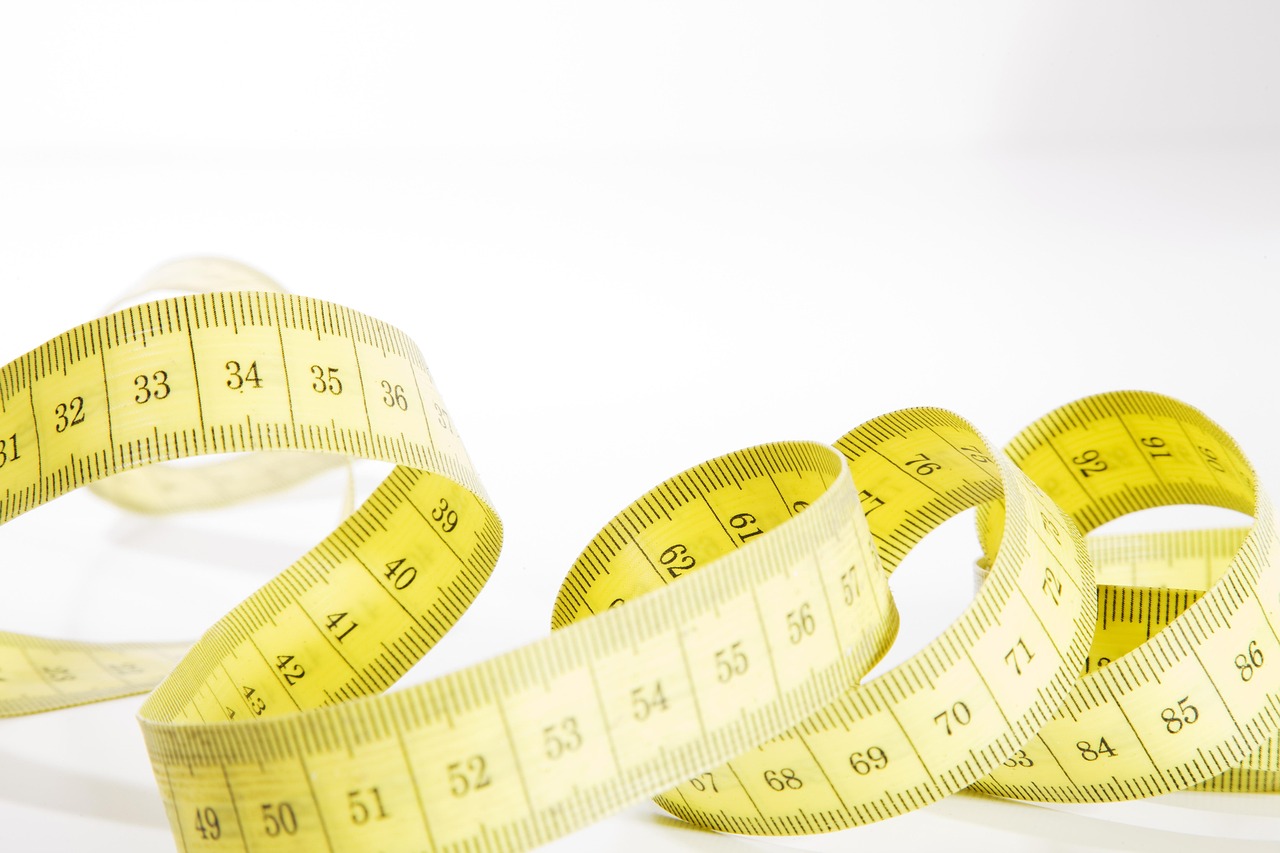
Physical tape measures can be bulky, easy to misplace, and sometimes difficult to use alone, especially when measuring long distances or hard-to-reach areas. They also require you to remember to bring them along, which often doesn’t happen when you unexpectedly need to measure something while shopping or visiting a property.
Digital measuring tape applications solve these problems by turning your smartphone into a versatile measuring tool that’s always with you. The convenience factor alone has made these apps incredibly popular among millions of users worldwide who appreciate having professional-grade measuring capabilities available instantly.
How Measuring Tape Apps Actually Work 🔧
Understanding the technology behind these applications helps you appreciate their capabilities and limitations. Most modern measuring tape apps utilize augmented reality (AR) technology combined with your smartphone’s camera and motion sensors.
When you open a measuring app, it uses your camera to scan the environment and identify surfaces, edges, and reference points. The app’s algorithms calculate distances based on the movement of your device and the visual data captured by the camera. Some apps also use LiDAR sensors (available on newer iPhone models) to achieve even greater accuracy.
The process is remarkably simple from a user perspective. You typically point your camera at the object you want to measure, tap to set a starting point, move your device to the endpoint, and tap again. The app then displays the measurement on your screen, often with options to save, share, or export the data.
AR Technology Makes the Difference
Augmented reality is the secret sauce that makes these applications so effective. AR overlays digital information onto the real world as seen through your camera, creating an interactive measuring experience that feels intuitive and natural.
The technology has improved dramatically in recent years, with smartphone manufacturers investing heavily in AR capabilities. This means that measuring tape apps are becoming increasingly accurate, responsive, and feature-rich with each passing year.
Top Features to Look for in a Measuring Tape App
Not all measuring applications are created equal. When choosing the right one for your needs, consider these essential features that separate excellent apps from mediocre ones:
- Accuracy and calibration options: Look for apps that offer calibration features to ensure measurements match real-world dimensions
- Multiple measurement units: The ability to switch between inches, feet, centimeters, and meters is essential for different projects
- Photo and video integration: Capturing measurements with visual context helps document projects effectively
- 3D object scanning: Advanced apps can measure height, width, and depth simultaneously
- Export and sharing capabilities: Professional users need to share measurements with clients and colleagues
- History and saved measurements: Keeping track of previous measurements saves time on ongoing projects
- User-friendly interface: Intuitive design ensures you can take measurements quickly without confusion
Practical Applications That Make Life Easier 🏠
The versatility of measuring tape apps extends far beyond simple length measurements. These tools have become indispensable for countless everyday situations and professional scenarios.
Home Improvement and Interior Design
Planning renovations becomes significantly easier when you can quickly measure rooms, walls, windows, and doorways. Interior designers and homeowners use these apps to determine whether furniture pieces will fit in specific spaces, calculate paint requirements, and plan layouts without the hassle of physical measuring tools.
Imagine shopping for a new sofa and being able to instantly verify its dimensions against your living room space right from the furniture store. This capability alone has saved countless people from making expensive purchasing mistakes.
Real Estate and Property Assessment
Real estate professionals have embraced measuring apps as valuable tools for property listings and assessments. Quickly measuring room dimensions, ceiling heights, and overall floor space helps create accurate property descriptions and floor plans without requiring specialized equipment.
Potential buyers and renters also benefit by measuring spaces during property viewings to ensure their existing furniture will fit or to plan future purchases accordingly.
Professional Construction and Contracting
While professional contractors still rely on laser measures and traditional tools for critical measurements, measuring apps serve as excellent supplementary tools for quick estimates, preliminary assessments, and client consultations.
The ability to document measurements with photos directly on a smartphone streamlines workflow and improves communication between team members and clients. This digital documentation creates a clear record that can be referenced throughout the project lifecycle.
Accuracy Considerations and Best Practices 📏
While measuring tape apps offer impressive convenience, understanding their accuracy limitations ensures you use them appropriately and get the best possible results.
Most quality measuring apps achieve accuracy within 1-2% of actual measurements under optimal conditions. This level of precision works perfectly for everyday tasks like furniture shopping, basic home projects, and space planning. However, professional construction work requiring millimeter precision still demands traditional measuring tools or professional-grade laser measures.
Tips for Getting the Most Accurate Measurements
Following these best practices will significantly improve measurement accuracy:
- Ensure adequate lighting when taking measurements, as poor lighting affects camera performance
- Hold your device steady and move it smoothly when measuring to avoid jumpy readings
- Calibrate your app regularly using known measurements to maintain accuracy
- Measure objects against clearly defined surfaces and edges rather than cluttered areas
- Take multiple measurements of the same object and average them for improved precision
- Keep your camera lens clean to ensure optimal visual data capture
- Use reference objects when available to verify measurement accuracy
Comparing Popular Measuring Tape Applications
The app marketplace offers numerous measuring applications, each with unique strengths and specialized features. Understanding what different apps excel at helps you choose the right tool for your specific needs.
Some applications focus on simplicity and ease of use, offering straightforward point-to-point measurements with minimal setup. Others provide comprehensive toolsets including angle measurements, area calculations, 3D room scanning, and advanced export options for professional users.
Free versions typically include basic measuring functionality with advertisements or limited features, while premium versions unlock advanced capabilities like unlimited saves, cloud synchronization, and professional reporting tools.
Choosing Between Free and Paid Options
For casual users who need occasional measurements, free measuring apps often provide sufficient functionality. These versions typically include all essential features needed for home use, furniture shopping, and basic DIY projects.
Professional users or enthusiasts working on frequent projects may find paid versions worthwhile for their additional features, improved accuracy algorithms, and absence of advertisements that can interrupt workflow. The investment usually pays for itself through increased efficiency and professional capabilities.
The Future of Digital Measuring Technology 🚀
Measuring technology continues evolving rapidly as smartphone capabilities advance and AR technology becomes more sophisticated. The next generation of measuring apps promises even greater accuracy, functionality, and integration with other digital tools.
LiDAR technology, currently available on premium smartphone models, represents a significant leap forward in measurement accuracy. This technology uses laser pulses to create detailed 3D maps of environments, enabling measurements accurate to within millimeters in many scenarios.
Artificial intelligence integration is also enhancing measuring apps by automatically recognizing objects, suggesting optimal measurement points, and even recommending furniture arrangements based on room dimensions and user preferences.
Integration with Smart Home and IoT Devices
Future developments will likely see measuring apps integrate seamlessly with smart home ecosystems and Internet of Things devices. Imagine measuring a space and having your app automatically suggest compatible smart devices, furniture from online retailers, or even generate complete room redesign proposals with accurate product placements.
This convergence of measuring technology with e-commerce and smart home platforms will transform how we shop for physical goods and plan our living spaces.
Privacy and Data Security Considerations 🔒
As with any app that uses your camera and stores measurement data, privacy and security deserve attention. Reputable measuring apps should clearly explain what data they collect, how it’s used, and whether it’s shared with third parties.
Most quality applications store measurements locally on your device or in encrypted cloud storage accessible only to you. However, reading privacy policies and app permissions helps ensure you’re comfortable with how your data is handled.
Be cautious with apps requesting unnecessary permissions beyond camera access and storage. A measuring app doesn’t need access to your contacts, microphone, or other unrelated device features to function properly.
Maximizing Your Measuring App Experience
Getting the most value from your measuring tape application involves exploring all its features and integrating it into your regular workflow. Many users never discover powerful capabilities hidden within their chosen app’s settings and advanced options.
Take time to explore different measurement modes, experiment with photo annotation features, and learn keyboard shortcuts or gesture controls if available. Many apps include tutorial modes or help sections that reveal time-saving techniques and hidden functionality.
Creating a Measurement Archive
Building a digital archive of measurements for your home, office, or frequently used spaces creates a valuable reference library. This archive eliminates the need to re-measure common items or spaces repeatedly and helps with future planning projects.
Organize measurements with descriptive labels, photos, and notes that provide context. This organization becomes especially valuable when shopping online, as you can quickly reference exact dimensions without needing to measure again.
Overcoming Common Challenges and Limitations
While measuring apps offer remarkable capabilities, they do have limitations that users should understand to avoid frustration and ensure appropriate use.
Reflective surfaces, glass, and transparent materials can confuse AR measuring systems, leading to inaccurate readings. Dark colors and low-contrast environments also present challenges for camera-based measurement systems. Being aware of these limitations helps you know when to use alternative measuring methods.
Distance limitations exist as well—measuring extremely long distances or very small objects may exceed the optimal range of smartphone-based measuring technology. For these scenarios, traditional tools or specialized equipment remain more appropriate.
Environmental Impact and Sustainability Benefits 🌱
Digital measuring tools contribute to sustainability in subtle but meaningful ways. By reducing the need for physical measuring tapes and other tools, these apps help decrease manufacturing demand and material consumption.
The paperless documentation capabilities also reduce paper waste from manual measurement notes and sketches. Professional users who transition to digital measurement workflows can significantly reduce their environmental footprint while improving efficiency.
Additionally, making better-informed purchasing decisions through accurate pre-purchase measurements reduces product returns and the associated transportation emissions and packaging waste.
Teaching Measurement Skills with Digital Tools 📚
Measuring tape apps offer educational value by making measurement concepts more accessible and engaging, especially for younger learners. The visual, interactive nature of AR measurements helps students understand spatial relationships and measurement principles more intuitively than traditional methods.
Teachers and parents can use these apps to create hands-on learning experiences that connect mathematical concepts to real-world applications. The immediate visual feedback and ability to measure everyday objects makes learning about units, scaling, and dimensional thinking more concrete and memorable.
Making Informed Decisions About Your Measuring Needs
Choosing to adopt digital measuring tools doesn’t mean abandoning traditional methods entirely. The most practical approach often involves using measuring apps for their convenience and speed while maintaining physical measuring tools for situations requiring maximum precision or working in challenging environments.
Consider your typical measuring scenarios, accuracy requirements, and workflow preferences when deciding how measuring apps fit into your toolkit. For many users, the combination of digital and traditional tools provides optimal flexibility and reliability.
The technology has matured to the point where measuring tape applications deserve serious consideration from anyone who regularly needs to measure objects, spaces, or distances. The convenience of always having a capable measuring tool in your pocket, combined with features like photo documentation and digital archiving, creates genuine value that extends well beyond simple novelty.
As smartphone technology continues advancing and AR capabilities improve, these applications will only become more accurate, feature-rich, and indispensable for both personal and professional use. Embracing this technology now positions you to benefit from ongoing improvements and new capabilities as they emerge. ✨
