
Anúncios
In today’s digital landscape, protecting your smartphone from malicious threats has become as essential as locking your front door at night.

Mobile devices have become prime targets for cybercriminals, storing everything from personal photos to banking credentials. With over 5 billion smartphone users worldwide, the attack surface has never been larger, making antivirus applications a critical line of defense against evolving digital threats.
Anúncios
Whether you’re browsing social media, downloading apps, or managing financial transactions, your device faces constant exposure to potential risks. Understanding how antivirus applications work and choosing the right protection can mean the difference between secure digital freedom and devastating data breaches.
🛡️ Why Your Smartphone Needs Antivirus Protection
Many people mistakenly believe that smartphones are immune to viruses, but this couldn’t be further from the truth. Mobile malware has increased exponentially, with researchers detecting millions of new threats annually targeting both Android and iOS devices.
Anúncios


Unlike traditional computers, smartphones contain highly sensitive information including location data, biometric credentials, and two-factor authentication codes. This concentration of personal data makes them incredibly valuable targets for hackers seeking financial gain or identity theft.
The mobile app ecosystem, while convenient, presents unique security challenges. Third-party app stores, malicious downloads disguised as legitimate software, and phishing attempts through messaging apps create multiple attack vectors that antivirus applications are specifically designed to combat.
🔍 Understanding How Antivirus Apps Protect Your Device
Modern antivirus applications employ sophisticated detection mechanisms that go far beyond simple virus scanning. They utilize real-time monitoring systems that constantly analyze app behavior, network connections, and file modifications to identify suspicious activities before they cause harm.
Machine learning algorithms enable these applications to recognize new threats by analyzing patterns and behaviors rather than relying solely on known virus signatures. This proactive approach allows antivirus software to detect zero-day exploits and emerging malware variants that traditional security methods might miss.
Cloud-based threat intelligence networks connect your device to global databases containing information about millions of known threats. When you download an app or visit a website, the antivirus software cross-references this action against constantly updated threat databases, providing instant protection against the latest dangers.
Core Security Features You Should Expect
Comprehensive antivirus applications offer multiple layers of protection beyond basic malware detection. App scanning capabilities examine newly installed software for hidden malicious code, while web protection shields you from phishing websites and fraudulent links received through email or messaging platforms.
Anti-theft features transform your security app into a powerful device recovery tool. Remote location tracking, camera activation, and data wiping capabilities ensure that even if your phone falls into the wrong hands, your personal information remains protected.
Privacy auditing tools scan your installed applications to identify which ones have access to sensitive permissions like your camera, microphone, contacts, or location data. This transparency empowers you to make informed decisions about which apps truly need specific permissions.
📱 Choosing the Right Antivirus Application
The antivirus market offers countless options, each claiming superior protection. However, selecting the right application requires careful consideration of several critical factors beyond marketing promises and brand recognition.
Performance impact represents one of the most important selection criteria. The best antivirus applications provide robust protection without draining your battery or slowing down your device. Look for solutions that operate efficiently in the background without causing noticeable lag during regular usage.
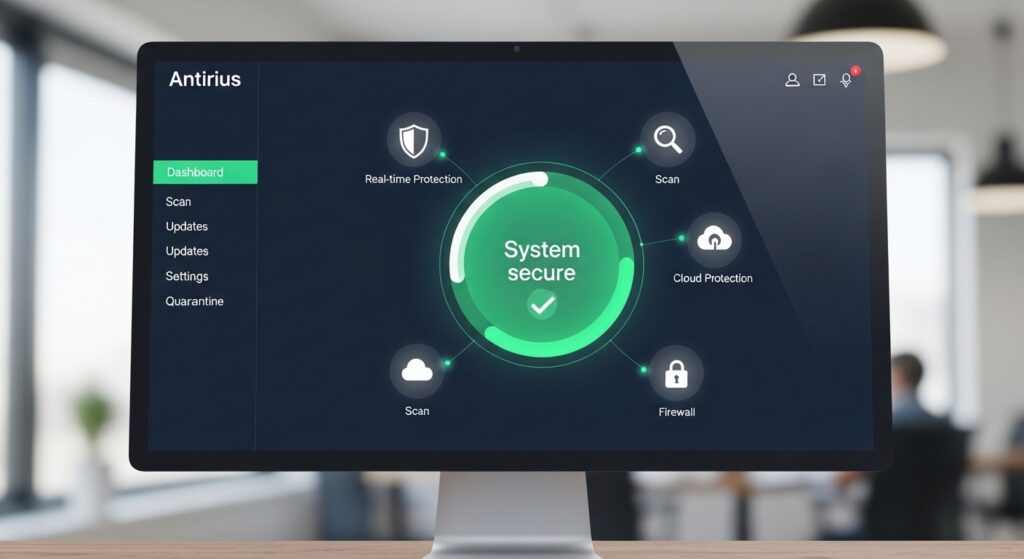
User interface design significantly affects your security experience. An intuitive dashboard that clearly displays your protection status, recent scan results, and security recommendations makes it easier to maintain optimal security without requiring technical expertise.

Free vs. Premium Protection Plans
Many reputable antivirus providers offer free versions with basic protection features suitable for average users with standard security needs. These typically include malware scanning, basic web protection, and simple privacy tools that cover fundamental security requirements.
Premium subscriptions unlock advanced features like VPN services for encrypted browsing, enhanced anti-theft capabilities, dedicated customer support, and ad-free experiences. For users handling sensitive business information or managing financial accounts on their devices, these additional layers of protection often justify the investment.
Consider your specific usage patterns when deciding between free and paid options. Casual users who primarily use their phones for social media and basic communication may find free versions perfectly adequate, while professionals handling confidential data should seriously consider premium protection.
🚀 Setting Up Your Antivirus Application for Maximum Protection
Simply installing an antivirus app doesn’t guarantee optimal security. Proper configuration and regular maintenance ensure you’re receiving the full protection the software offers.
Begin with a comprehensive initial scan immediately after installation. This baseline scan identifies any existing threats that may have infiltrated your device before you installed protection. Schedule regular automatic scans to maintain ongoing vigilance without requiring manual intervention.
Enable real-time protection features that monitor your device continuously. While this provides superior security, some applications allow you to adjust scanning intensity to balance protection with battery consumption based on your priorities.
Optimizing Privacy Settings
Review the privacy audit features to understand which applications access sensitive device functions. Revoke unnecessary permissions from apps that don’t require specific capabilities for their core functionality. For example, a flashlight app has no legitimate need to access your contacts or location data.
Configure web protection to scan links before you click them, particularly in messaging apps where malicious URLs often appear disguised as legitimate content. This proactive filtering prevents you from accidentally visiting phishing sites designed to steal credentials.
Set up anti-theft features before you need them. Register your device, configure trusted contact numbers, and test remote commands to ensure everything functions properly. Waiting until after your phone is stolen to discover these features aren’t properly configured defeats their purpose entirely.
⚡ Common Threats Antivirus Apps Defend Against
Understanding the specific dangers lurking in the digital landscape helps you appreciate the value comprehensive antivirus protection provides. Mobile threats have evolved significantly beyond simple viruses to encompass sophisticated attack methods.
Ransomware attacks encrypt your personal files and demand payment for restoration. Mobile ransomware variants can lock your entire device or threaten to publish sensitive photos and messages unless you pay the attackers. Quality antivirus software detects these threats before encryption occurs.
Spyware secretly monitors your activities, recording keystrokes, capturing screenshots, and tracking your location without your knowledge. These invasive programs often enter devices through malicious apps or infected links, making real-time protection essential for prevention.
Phishing and Social Engineering Attacks
Phishing attempts use fake websites and fraudulent communications that impersonate legitimate organizations to trick you into revealing passwords, credit card numbers, or other sensitive information. Mobile users face unique phishing risks through SMS messages, messaging apps, and mobile-optimized fake websites.
Antivirus applications with web protection features analyze websites in real-time, comparing them against databases of known phishing sites and using artificial intelligence to identify suspicious characteristics of potential scams you might otherwise miss.
Social engineering tactics exploit human psychology rather than technical vulnerabilities. Attackers create urgent scenarios pressuring you to make quick decisions without proper verification. Security applications can’t prevent all social engineering, but they provide crucial warnings when you’re about to interact with known malicious sources.
🔐 Beyond Antivirus: Complementary Security Practices
While antivirus applications provide essential protection, they work best as part of a comprehensive security strategy combining technological solutions with informed user behavior.
Keep your operating system and all applications updated with the latest security patches. Developers constantly identify and fix vulnerabilities, and delaying updates leaves your device exposed to known exploits that attackers actively target.
Exercise caution when downloading applications, sticking to official app stores whenever possible. Read reviews, check developer credentials, and scrutinize permission requests before installation. If a simple game requests access to your contacts and messages, that’s a significant red flag worth investigating.
Secure Your Network Connections
Public Wi-Fi networks present serious security risks since data transmitted over unsecured connections can be intercepted by malicious actors. Many premium antivirus packages include VPN services that encrypt your internet traffic, making it unreadable to potential eavesdroppers.
Avoid conducting sensitive transactions like online banking or shopping when connected to public networks unless you’re using VPN protection. Even seemingly innocuous activities like checking email can expose credentials if the connection isn’t properly secured.
Enable two-factor authentication on all accounts that support it. This additional security layer ensures that even if someone obtains your password, they still can’t access your account without the secondary verification code sent to your trusted device.
📊 Evaluating Antivirus Performance and Effectiveness
Not all antivirus applications deliver equal protection levels. Independent testing laboratories regularly evaluate security software, providing objective assessments of detection rates, false positives, and performance impact.
Organizations like AV-TEST and AV-Comparatives conduct rigorous testing using thousands of real-world malware samples and simulated attack scenarios. Their published results offer valuable insights into which applications provide the most reliable protection against current threats.
Pay attention to detection rates for zero-day threats, which represent newly discovered vulnerabilities without existing fixes. Applications that excel at identifying these emerging dangers provide superior protection compared to solutions that only catch known threats.
Monitoring Your Device’s Security Status
Regularly review your antivirus dashboard to check for alerts, scan results, and security recommendations. Many applications provide security scores that offer at-a-glance assessments of your current protection level and highlight areas requiring attention.
Investigate any warnings or suspicious activity reports promptly. While some alerts may represent false positives, treating each notification seriously ensures you don’t ignore genuine threats that could compromise your data.
Monitor your device’s performance and battery consumption after installing antivirus software. Significant slowdowns or excessive battery drain might indicate compatibility issues or overly aggressive scanning settings that require adjustment.
🌟 The Future of Mobile Security
Cybersecurity continues evolving as quickly as the threats it combats. Artificial intelligence and machine learning are becoming increasingly central to antivirus protection, enabling faster threat identification and more accurate behavioral analysis.
Biometric security integration is expanding beyond simple device unlocking to include app-specific authentication and transaction verification. Future antivirus solutions will likely incorporate these technologies to provide more sophisticated identity verification and access control.
Privacy concerns are driving demand for security solutions that protect user data without collecting excessive personal information. Transparent privacy policies and local processing capabilities that minimize cloud dependencies represent important trends in antivirus development.
💡 Making Mobile Security a Daily Habit
Installing antivirus software represents just the first step toward comprehensive device security. Developing consistent security habits ensures ongoing protection that adapts to your changing digital lifestyle.
Review app permissions quarterly to identify creeping permission requests from applications that expanded their data access through updates. Revoke unnecessary permissions and uninstall applications you no longer use to minimize your attack surface.
Stay informed about emerging threats and security best practices through reputable technology news sources and your antivirus provider’s security blog. Understanding current attack trends helps you recognize suspicious activities and avoid falling victim to the latest scams.
Your smartphone contains a digital representation of your life, making its protection absolutely essential in our interconnected world. Quality antivirus applications provide powerful defenses against constantly evolving threats, but they work best when combined with informed user practices and security awareness. Taking mobile security seriously isn’t paranoia—it’s common sense in an age where digital threats can have real-world consequences affecting your finances, privacy, and personal safety. Invest the time to properly protect your device today, and you’ll avoid the considerably larger investment of recovering from a security breach tomorrow.
