
Anúncios
In a world where perception often outweighs reality, the symbols we attach to products, experiences, and identities have become more valuable than their functional worth.

We live in an era where a handbag’s logo commands thousands of dollars beyond its material cost, where influencers shape markets with curated aesthetics, and where emotional associations drive purchasing decisions more powerfully than rational evaluation. This phenomenon—symbolic value inflation—has fundamentally transformed how we desire, decide, and define ourselves in modern consumer culture.
Anúncios
Understanding this shift isn’t just academic curiosity; it’s essential for navigating a marketplace increasingly dominated by intangible values, social signals, and constructed meanings. From luxury fashion to technology brands, from social media validation to sustainability credentials, symbolic value has inflated to unprecedented levels, reshaping economies and identities alike.
🔍 The Anatomy of Symbolic Value: Beyond Function to Feeling
Symbolic value refers to the meaning, status, and emotional significance we attribute to objects, brands, or experiences beyond their practical utility. A smartphone doesn’t just make calls—it signals innovation, taste, and social belonging. A coffee from a particular chain isn’t merely caffeine delivery; it’s a lifestyle statement.
Anúncios
This concept isn’t new. Thorstein Veblen identified conspicuous consumption in 1899, observing how the wealthy displayed status through expensive goods. What’s changed is the democratization and amplification of this phenomenon. Social media has created stages where everyone performs identity, and symbolic consumption has become accessible across economic strata through financing, counterfeiting, and aspirational marketing.
The inflation part comes from an accelerating disconnection between actual production costs and perceived value. A white t-shirt might cost five dollars to manufacture but sell for three hundred when branded correctly. This gap—this inflation of symbolic worth—has expanded exponentially as brands master the art of meaning-making.
The Psychological Foundations of Symbol-Driven Consumption
Several cognitive and social mechanisms drive our susceptibility to symbolic value inflation. The endowment effect makes us value things more highly once we associate them with our identity. Social proof pushes us toward choices validated by our reference groups. Scarcity and exclusivity trigger desire by limiting access, making symbols more coveted when they’re harder to obtain.
Furthermore, humans are fundamentally storytelling creatures. We don’t just buy products; we buy narratives about who we are and who we aspire to become. Brands that successfully embed themselves in these personal stories command premium prices not through superior materials or craftsmanship, but through superior meaning-making.
💳 The Mechanics of Inflation: How Symbolic Value Grows
Symbolic value inflation operates through several interconnected mechanisms that brands and marketers have refined into sophisticated strategies. Understanding these processes reveals how perceptions transform into premium pricing and intense consumer desire.
Scarcity Engineering and Artificial Limitation
Luxury brands have mastered the art of controlled scarcity. By intentionally limiting production, creating waiting lists, and periodically discontinuing popular items, they maintain an aura of exclusivity that inflates symbolic value. Supreme’s weekly drops, Hermès’ Birkin bag allocation system, and limited-edition sneaker releases all leverage scarcity to amplify desire beyond the products’ functional worth.
This isn’t accidental scarcity but engineered rarity designed to maintain symbolic inflation. When everyone can have something, its value as a status signal diminishes. Scarcity preserves the differentiation that gives symbols their social currency.
Celebrity Endorsement and Aspirational Association
When a product becomes associated with admired figures, its symbolic value inflates through transferred prestige. Athletes endorsing sneakers, actors wearing watches, influencers showcasing skincare—these associations create aspirational pathways where consumers believe purchasing the product brings them closer to the lifestyle or qualities they admire.
The inflation occurs because the actual product hasn’t changed, but the meaning surrounding it has expanded enormously. A watch that tells time becomes a symbol of achievement, sophistication, and success when worn by the right wrist in the right context.
Narrative Construction and Brand Mythology
The most successful brands don’t sell products; they sell stories, values, and worldviews. Apple doesn’t just manufacture computers—it represents creativity, innovation, and thinking differently. Patagonia sells environmental consciousness alongside outdoor gear. Tesla offers membership in a sustainable, technologically advanced future.
These narratives inflate symbolic value by embedding products within larger meaning systems. Consumers aren’t just buying functional items; they’re investing in identity expression, value alignment, and community belonging.
🌍 Cultural Dimensions: How Symbolic Value Varies Across Contexts
Symbolic value inflation doesn’t operate uniformly across cultures. Different societies prioritize different symbols, and the same object can carry radically different meanings depending on cultural context.
In collectivist cultures, products that signal group harmony, tradition, and social responsibility often carry higher symbolic value. In individualistic societies, uniqueness, self-expression, and personal achievement drive symbolic inflation. Understanding these variations is crucial for global brands attempting to maintain symbolic value across markets.
The Instagram Effect: Social Media as Symbolic Amplifier
Social media platforms have become powerful engines of symbolic value inflation. Instagram, TikTok, and Pinterest transform everyday consumption into public performance, where products gain value not just from ownership but from their visual appeal and shareability. 📱
The “Instagrammability” of products, experiences, and locations has become a distinct value category. Restaurants design dishes for photographs first, taste second. Hotels create visually striking spaces optimized for social sharing. Products are evaluated partly on how they’ll appear in curated digital presentations of ideal lives.
This visual economy has accelerated symbolic value inflation by creating new forms of social currency. A photogenic product offers dual value—personal use and social capital generation—justifying premium pricing through enhanced symbolic worth.
💰 Economic Implications: Markets Built on Meaning
Symbolic value inflation has profound economic consequences, creating entire market segments based primarily on intangible attributes rather than functional differentiation.
The Luxury Paradox: When Higher Prices Increase Demand
Traditional economic theory suggests higher prices reduce demand, but symbolic value inflation creates Veblen goods—products where higher prices actually increase desirability. The price itself becomes a signal of exclusivity, quality, and status, making the product more attractive as it becomes more expensive.
This paradox supports entire industries where symbolic inflation is the primary business model. Luxury fashion, premium automotive brands, and high-end hospitality all rely on maintaining price premiums justified mainly by symbolic rather than functional superiority.
The Authentication Economy
As symbolic value inflates, so does the incentive for counterfeiting. This has spawned a massive authentication industry—apps, services, and technologies dedicated to verifying genuine articles and protecting symbolic value from dilution through fakes.
Platforms like StockX, GOAT, and authentication services for luxury goods exist specifically because symbolic value is worth protecting. The economic value embedded in a logo, a certificate of authenticity, or a verifiable provenance can exceed the product’s material worth many times over.
🧠 The Psychology of Desire: Why We Want What We Want
Symbolic value inflation wouldn’t be possible without deep psychological mechanisms that make humans vulnerable to meaning-laden consumption. Our brains are wired to seek status, belonging, and identity expression—needs that symbolic consumption promises to fulfill.
Identity Construction Through Consumption
In modern societies, consumption has become a primary means of identity construction. We signal who we are, what we value, and which groups we belong to through our consumption choices. This makes symbolic value particularly potent—we’re not just buying things, we’re building ourselves.
The inflation occurs because identity construction is infinitely valuable to individuals. There’s no objective price ceiling for self-expression, belonging, or status achievement. Brands that successfully position themselves as identity tools can command prices far exceeding functional justification.
FOMO and Social Comparison
Fear of missing out and constant social comparison—amplified by social media—drive continuous symbolic value inflation. When we see others enjoying experiences, possessing objects, or displaying symbols we lack, we experience relative deprivation that motivates acquisition.
This competitive dimension of symbolic consumption creates inflationary pressure. As more people acquire a particular symbol, its value as a differentiator declines, pushing status-seekers toward increasingly expensive or exclusive symbols, perpetuating the inflation cycle.
🔄 The Sustainability Question: Environmental Costs of Symbolic Inflation
Symbolic value inflation has troubling environmental implications. When products are valued primarily for their symbolic rather than functional attributes, they’re replaced not when they wear out, but when their symbolic value depreciates—a much faster cycle.
Fast fashion epitomizes this problem. Clothing is discarded not because it’s worn but because it’s “last season”—its symbolic value has expired despite perfect functionality. This symbol-driven consumption accelerates resource depletion, waste generation, and environmental degradation.
Sustainable Luxury and the Green Premium
Interestingly, symbolic value inflation is also being harnessed for sustainability. Brands positioning environmental consciousness as a luxury attribute command price premiums by inflating the symbolic value of sustainable production. Organic, fair-trade, carbon-neutral, and circular economy credentials have become valuable symbols themselves.
This creates a paradox: symbolic inflation drives overconsumption yet also enables premium pricing for sustainable alternatives. Whether this net effect is positive or negative depends on whether symbolic sustainability actually reduces consumption or merely makes it more expensive.
📊 Measuring the Intangible: Quantifying Symbolic Value
One challenge with symbolic value inflation is measurement. How do we quantify something fundamentally subjective and socially constructed? Economists and marketers use several approaches:
- Price Premium Analysis: Comparing prices of functionally similar products from different brands reveals the symbolic value component
- Brand Valuation: Methodologies like those from Interbrand or Brand Finance attempt to quantify brand equity—essentially symbolic value
- Willingness-to-Pay Studies: Research measuring how much extra consumers will pay for branded versus unbranded identical products
- Social Listening and Sentiment Analysis: Tracking how products are discussed, associated with, and emotionally responded to across social platforms
These measurements help businesses understand and leverage symbolic value inflation, but they also reveal its scale. In many categories, symbolic value comprises the majority of total product value—a remarkable testament to the power of perception.
🎯 Strategic Navigation: Making Better Decisions in a Symbol-Saturated World
Understanding symbolic value inflation empowers better decision-making, whether you’re a consumer, marketer, or simply someone trying to navigate modern life thoughtfully.
For Consumers: Conscious Consumption
Awareness of symbolic value inflation helps consumers distinguish between what they genuinely value and what they’ve been conditioned to desire. Ask yourself: Am I buying this for its function, its meaning to me personally, or its signal to others? All three can be valid, but clarity about motivation prevents manipulation and buyer’s remorse.
Consider creating a personal value hierarchy that distinguishes genuine priorities from socially-influenced desires. Invest symbolic consumption budget in areas that truly matter to your identity and values, while resisting inflation in categories where function matters more than symbol.
For Businesses: Ethical Value Creation
Brands can leverage symbolic value ethically by creating genuine meaning aligned with actual product quality and company values. The alternative—pure symbolic manipulation disconnected from substance—eventually collapses when reality doesn’t match the story.
Sustainable symbolic value creation involves authentic storytelling, consistent value delivery, and building communities around shared genuine interests rather than manufactured scarcity and artificial exclusivity.
🚀 The Future of Symbolic Value: Digital Assets and Virtual Status
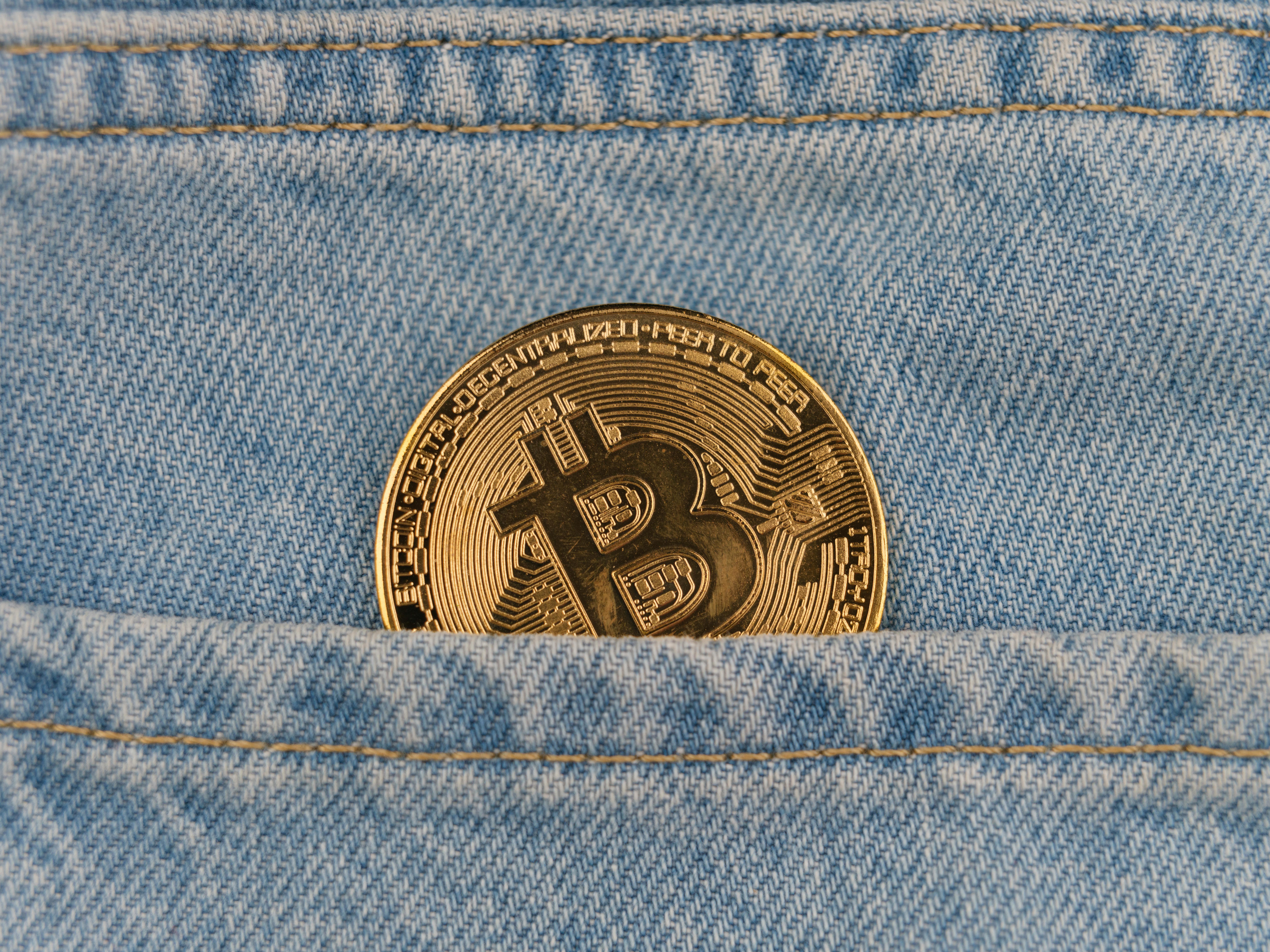
Symbolic value inflation is entering new territories with digital and virtual goods. NFTs, virtual fashion, gaming skins, and metaverse real estate represent pure symbolic value—digital items with zero functional utility in physical reality yet commanding real money.
This evolution reveals symbolic value’s ultimate form: meaning entirely detached from material substrate. A digital image, a virtual sneaker, or a metaverse property plot are valuable solely because communities agree they are—symbolic inflation in its purest expression.
As we spend more time in digital spaces, these virtual symbols may inflate further, creating parallel economies where perception is literally the only reality. This raises fascinating questions about value, desire, and what it means to own anything at all.
🎭 Beyond the Symbol: Reclaiming Authentic Value
While symbolic value inflation shapes modern desires and decisions powerfully, it doesn’t have to dominate them. Awareness creates space for choice. Understanding that much of what we desire is socially constructed doesn’t make those desires invalid, but it does make them negotiable.
The most liberating insight might be this: you can choose which symbols matter to you. You can consciously decide where to invest in symbolic value that genuinely enriches your life and where to resist inflation that serves only external validation.
Ultimately, symbolic value inflation reveals a fundamental human truth—we are meaning-making creatures who live in worlds of our own construction. The symbols we value, the meanings we create, and the desires we cultivate are neither natural nor inevitable. They’re chosen, even when that choice happens unconsciously through cultural absorption.
Making those choices conscious—understanding how perception becomes price, how symbols inflate, and how our desires are shaped—is perhaps the most valuable insight of all. In a world where symbolic value increasingly determines economic value, the ability to see clearly through the symbols to what genuinely matters becomes not just wisdom, but economic self-defense and personal liberation. ✨
The price of perception may be high, but the cost of unconsciousness is higher still. By understanding symbolic value inflation, we unlock not just market dynamics but our own freedom to desire, decide, and define ourselves on our own terms—perhaps the most valuable symbol of all.
