
Anúncios
Ancient myths are more than stories—they are bridges between past and present, guarding both natural landscapes and cultural identities across generations worldwide.

🌍 The Sacred Bond Between Myth and Nature
Throughout human history, civilizations have woven intricate tales that explain, protect, and venerate the natural world. These narratives served as early conservation tools, establishing sacred groves, forbidden mountains, and protected waterways long before modern environmental legislation existed. The connection between mythological guardianship and ecological preservation reveals a sophisticated understanding of sustainability that contemporary societies are only beginning to rediscover.
Anúncios
Indigenous communities worldwide have maintained these traditions for millennia. From the Aboriginal Australians’ Dreamtime stories that map territorial knowledge to the Native American legends that designate specific lands as spiritually protected, myths have functioned as enforceable conservation codes. These narratives embedded ecological wisdom within cultural memory, ensuring transgenerational transmission of environmental stewardship principles.
The psychological impact of mythological protection cannot be understated. When a mountain is home to deities or a forest harbors ancestral spirits, exploitation becomes not merely illegal but spiritually dangerous. This cultural framework created powerful deterrents against resource depletion, often more effective than external regulations imposed without local buy-in.
Anúncios
🏛️ Cultural Heritage Through Mythological Preservation
Beyond natural landscapes, myths serve as custodians of intangible cultural heritage. Oral traditions, ritual practices, and community identities find preservation through legendary narratives that encode historical experiences, moral teachings, and collective wisdom. When communities retell these stories, they reinforce social cohesion and transmit values that define their cultural distinctiveness.
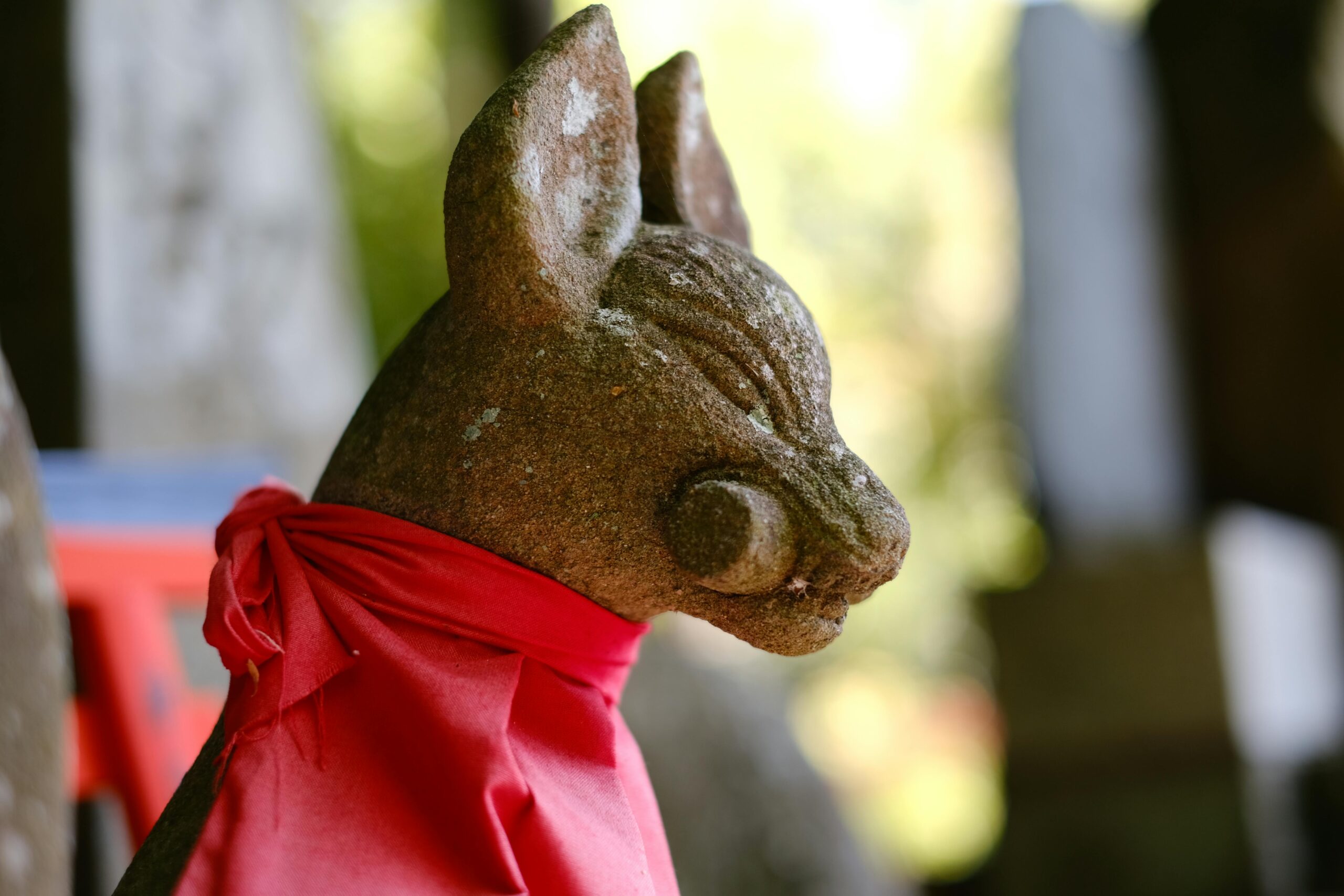
Consider the Greek myths surrounding the Acropolis—these stories transformed stone monuments into living narratives that successive generations felt compelled to protect. The physical preservation of Athens’ ancient structures owes much to the mythological significance attached to them. Similarly, Japan’s Shinto traditions have safeguarded countless forests, shrines, and natural features through belief systems that designate them as dwelling places of kami (spirits).
The intergenerational knowledge transfer facilitated by myths creates resilient cultural systems. Unlike written documentation that requires literacy and access, oral mythological traditions democratize cultural transmission. Elders share stories with children in informal settings, embedding complex historical and ecological information within engaging narratives that naturally encourage memorization and repetition.
The Living Archives of Oral Tradition
Mythological narratives function as mnemonic devices, encoding vast amounts of information in memorable formats. Climate patterns, migration routes, medicinal plant knowledge, and social histories all find expression in legendary tales. Pacific Islander navigation myths, for instance, contained sophisticated astronomical and oceanographic information disguised as adventures of gods and heroes.
These living archives possess remarkable adaptability. Unlike static written records, oral traditions evolve to remain relevant while maintaining core messages. Storytellers adjust emphasis, incorporate contemporary concerns, and reinterpret symbolism without losing fundamental cultural teachings. This dynamic preservation method keeps ancient wisdom accessible to modern audiences.
🛡️ Modern Conservation Movements Embracing Ancient Wisdom
Contemporary environmentalists increasingly recognize the value of myth-based conservation strategies. Community-based conservation projects now collaborate with indigenous knowledge keepers, integrating traditional narratives into management plans. This approach acknowledges that local mythologies often contain sophisticated ecological understanding developed through centuries of observation.
The Sacred Natural Sites Initiative exemplifies this trend, documenting thousands of locations worldwide where spiritual beliefs have ensured long-term ecosystem protection. These sites frequently exhibit higher biodiversity and better preservation than adjacent unprotected areas, demonstrating the practical effectiveness of mythological guardianship. Conservation biologists now study these traditional protected areas to understand sustainable management techniques.
National parks and protected areas increasingly incorporate indigenous narratives into visitor education programs. Rather than presenting conservation purely through scientific frameworks, interpretive materials explain traditional stories that originally safeguarded these landscapes. This approach resonates more deeply with diverse audiences and reconnects urban populations with cultural conservation traditions their ancestors practiced.
Case Studies in Myth-Based Preservation
Madagascar’s sacred forests, or “fadys,” demonstrate mythological protection in action. Local taboos prohibit cutting trees or hunting animals in these groves, which communities believe house ancestral spirits. Scientific surveys reveal these small forest patches contain extraordinary biodiversity, serving as crucial refuges for endemic species. The spiritual framework has achieved conservation results formal protection often fails to accomplish.
In India, the Bishnoi community’s reverence for nature, rooted in religious teachings from 1485, created one of history’s earliest environmental movements. Their beliefs prohibit tree-felling and animal harm, leading to dramatic confrontations where community members sacrificed their lives protecting sacred khejri trees. Today, Bishnoi villages remain biodiversity hotspots in otherwise degraded landscapes.
Ethiopia’s church forests illustrate how religious mythology preserves ecosystems within deforested regions. Each Orthodox church maintains a sacred forest, protected by beliefs that these groves shelter saints and provide spiritual benefits. These circular forest patches, visible from space, represent the country’s last remnants of native highland forest, surviving solely through mythological protection.
🎭 Challenges in the Modern Era
Globalization, urbanization, and cultural homogenization threaten myth-based conservation systems. Younger generations educated in secular scientific frameworks may dismiss traditional narratives as superstition, abandoning protective practices their ancestors maintained. This cultural erosion often precedes environmental degradation as sacred sites lose their protective status.
Economic pressures intensify these challenges. When communities face poverty, the immediate benefits of resource exploitation can outweigh long-term cultural considerations. Mining companies, agricultural expansion, and infrastructure development frequently target areas protected only by traditional beliefs, as these lack formal legal designation. Without reinforcing traditional protections with contemporary legal frameworks, mythologically guarded sites remain vulnerable.
Climate change adds unprecedented complexity. Traditional ecological knowledge encoded in myths reflects historical climate patterns. As environmental conditions shift rapidly, some traditional practices may become maladaptive. Conservationists face the delicate challenge of honoring traditional knowledge while adapting strategies to unprecedented ecological changes.
Bridging Traditional and Scientific Approaches
The solution lies not in abandoning myths for science or vice versa, but in creating complementary systems. Biocultural conservation frameworks acknowledge that cultural and biological diversity reinforce each other. Projects succeed best when they validate traditional knowledge while incorporating scientific monitoring, creating hybrid approaches that respect both worldviews.
Educational initiatives can help younger generations appreciate mythological wisdom without requiring literal belief. Understanding myths as sophisticated knowledge systems rather than primitive superstitions allows secular audiences to value their conservation function. Digital storytelling projects, for instance, present traditional narratives through contemporary media, making them accessible to tech-savvy youth.
📱 Technology as an Ally for Mythological Preservation
Digital technologies offer powerful tools for documenting, sharing, and revitalizing mythological traditions. Audio recording equipment allows communities to preserve elder knowledge before it disappears. Video documentation captures not just story content but performance contexts, gestures, and storytelling techniques that convey meaning beyond words.
Mobile applications can make mythological heritage accessible to diaspora communities and interested outsiders. Interactive maps linking geographic locations with traditional stories help users understand landscape-level cultural narratives. Augmented reality experiences allow visitors to sacred sites to experience traditional stories layered over physical landscapes, deepening engagement with both cultural and natural heritage.
Social media platforms enable global communities to form around shared cultural heritage. Indigenous groups separated by geography reconnect through shared mythological traditions, strengthening collective identity. These digital communities also build international support networks for protecting threatened sacred sites, mobilizing global attention when local areas face development pressures.
🌱 Revitalizing Mythological Conservation for Future Generations
The path forward requires intentional efforts to transmit and adapt mythological traditions. Community-led cultural revival movements show promising results, with young people rediscovering pride in ancestral knowledge systems. Language revitalization programs often incorporate mythological narratives, recognizing that stories carry vocabulary, grammar, and cultural concepts essential to linguistic preservation.
Educational systems play crucial roles in this transmission. Schools that incorporate local mythology into curricula validate traditional knowledge alongside Western scientific education. Students learn to navigate multiple knowledge systems, understanding that different approaches offer complementary insights into environmental stewardship and cultural identity.
Artistic expressions provide another vehicle for mythological revitalization. Contemporary musicians, visual artists, and writers reinterpret traditional stories for modern audiences, keeping narratives relevant while maintaining core messages. These creative adaptations introduce myths to audiences who might not engage with traditional storytelling formats, expanding the reach of ancient wisdom.
Policy Frameworks Supporting Myth-Based Conservation
Legal recognition of traditional protected areas strengthens myth-based conservation. Several countries now acknowledge indigenous conservation territories, granting legal status to lands managed through customary practices. These policies validate traditional governance systems while providing formal protection against external threats.
International frameworks like UNESCO’s Intangible Cultural Heritage Convention support mythological preservation efforts. By recognizing traditional narratives as valuable heritage requiring protection, these instruments provide funding mechanisms and international prestige that encourage local conservation efforts. World Heritage Site designations increasingly acknowledge both natural and cultural values of mythologically significant landscapes.
💫 The Universal Language of Myth in a Divided World
In an era of political polarization and cultural fragmentation, myths offer common ground. The universal themes found across cultures—creation, transformation, guardianship, balance—transcend specific religious or political ideologies. Environmental challenges require collective action that mythology can facilitate by providing shared narratives that unite rather than divide.
The concept of Earth as a living entity appears in countless traditions: Greek Gaia, Andean Pachamama, Indian Bhumi Devi. These mythological frameworks encourage holistic thinking about planetary systems, recognizing interconnections that reductionist scientific approaches sometimes overlook. Reviving these integrative worldviews may prove essential for addressing complex environmental crises requiring systems-level solutions.
Cross-cultural mythological exchanges foster mutual understanding. When communities share their guardian stories, they reveal common values of stewardship, respect, and intergenerational responsibility. These exchanges build empathy and recognition of shared humanity despite surface differences, creating foundations for collaborative conservation efforts across cultural boundaries.
🔮 Reclaiming Our Role as Guardians
The concept of humans as guardians rather than masters of nature permeates mythological traditions worldwide. These narratives position humanity within rather than above ecosystems, emphasizing reciprocal relationships with the natural world. Reclaiming this guardian identity offers psychological and practical benefits for contemporary conservation challenges.
Personal connection to place, fostered through mythological narratives, transforms abstract environmental concerns into immediate responsibilities. When people understand landscapes through stories—knowing which mountain the ancestors climbed, which river the culture heroes named—conservation becomes personally meaningful rather than externally imposed obligation.
The guardianship role extends to cultural preservation. Each generation inherits responsibility for protecting and transmitting the stories, practices, and knowledge received from predecessors. This stewardship ethic creates continuity across time, motivating present actions through awareness of past sacrifices and future generations’ needs.
🌟 Weaving Ancient Threads into Tomorrow’s Tapestry
The integration of mythological wisdom into contemporary conservation represents not regression but sophistication. It acknowledges that human relationship with nature involves emotional, spiritual, and cultural dimensions alongside scientific understanding. Effective preservation strategies must engage hearts and identities, not merely minds.
Success stories worldwide demonstrate that communities honoring traditional guardian narratives achieve remarkable conservation outcomes. These results emerge not from coercion but from intrinsic motivation—people protecting what they consider sacred. Scaling these successes requires respecting diverse cultural approaches rather than imposing uniform conservation models.
The guardians of legends—storytellers, knowledge keepers, and communities maintaining traditional relationships with land—deserve recognition as conservation leaders. Their work preserving mythological traditions simultaneously protects biological diversity, cultural heritage, and place-based knowledge essential for sustainable futures. Supporting these guardians means investing in proven conservation systems refined across countless generations.
As environmental crises intensify and cultural erosion accelerates, the wisdom encoded in ancient myths becomes increasingly precious. These narratives remind us that humans can live sustainably, that culture and nature enhance rather than oppose each other, and that the treasures we inherit carry obligations to future generations. By harnessing mythological traditions as living conservation tools, we honor our ancestors while protecting the natural and cultural inheritance our descendants deserve. The legends persist not as relics of the past but as guides for navigation toward more sustainable, culturally rich, and ecologically balanced futures.
