
Anúncios
Food has always been humanity’s universal language, transcending borders, beliefs, and backgrounds to create moments of genuine connection and shared joy.

Throughout history, communal feasting has served as one of the most powerful tools for bringing people together, dissolving tensions, and building bridges across cultural, religious, and social divides. In a world increasingly marked by fragmentation and polarization, the simple act of gathering around a table to share a meal offers profound opportunities for healing, understanding, and unity.
Anúncios
The significance of shared meals extends far beyond mere sustenance. When we eat together, we engage in an intimate act of trust and vulnerability. We lower our guards, open our hearts, and create space for authentic human connection. This ancient practice continues to hold transformative power in our modern world, offering a path toward greater social harmony and mutual respect.
🍽️ The Ancient Roots of Communal Feasting
Long before written history, our ancestors understood the bonding power of shared meals. Archaeological evidence suggests that communal eating has been central to human society for tens of thousands of years. Early humans gathered around fires to cook and share their food, creating the foundation for complex social structures and cultural traditions.
Anúncios
In ancient civilizations, feasts marked important occasions and served diplomatic functions. The Greeks held symposia where philosophical discussions flourished alongside wine and food. Romans used elaborate banquets to cement political alliances and display wealth and hospitality. Medieval kingdoms negotiated peace treaties over lavish feasts, recognizing that breaking bread together was the first step toward building trust.
These historical precedents reveal a universal truth: sharing food creates bonds that transcend immediate circumstances. When enemies eat together, they become guests. When strangers share a meal, they become companions. This transformation happens because the act of eating together activates deep-seated social and biological mechanisms that promote cooperation and empathy.
The Science Behind Shared Meals and Social Bonding
Modern neuroscience and psychology have begun to uncover why communal eating has such profound effects on human relationships. When we share food with others, our brains release oxytocin, often called the “bonding hormone,” which promotes feelings of trust, empathy, and connection.
Research has shown that people who eat together regularly report higher levels of life satisfaction, better mental health, and stronger social networks. The synchronization that occurs during shared meals—passing dishes, coordinating conversation, matching eating pace—creates a subtle form of social harmony that extends beyond the table.
Furthermore, the sensory experience of eating activates multiple brain regions simultaneously, creating rich, multidimensional memories. This is why we often remember not just what we ate, but who we ate with, what we discussed, and how we felt. These powerful memories become the foundation for lasting relationships and shared identity.
Cultural Traditions That Celebrate Unity Through Food 🌍
Every culture has developed traditions around communal eating that reflect their values and strengthen social bonds. These practices offer valuable lessons for building bridges across differences.
The Ethiopian Coffee Ceremony
In Ethiopian culture, the traditional coffee ceremony is a sacred ritual of hospitality and community. The host roasts, grinds, and brews coffee while guests gather in conversation. This process, which can take hours, creates space for meaningful connection and demonstrates that relationship-building cannot be rushed.
Japanese Shared Dining
Japanese izakaya culture emphasizes sharing multiple small dishes among friends and colleagues. This style of dining promotes equality and interdependence, as everyone relies on others to pass and share food. The act of pouring drinks for others before oneself reinforces communal values over individualism.
Middle Eastern Mezze Tradition
The Middle Eastern mezze spread involves numerous small dishes placed at the center of the table for everyone to share. This abundant display of hospitality communicates generosity while the shared nature of the meal breaks down hierarchies and encourages interaction among all present.
Indigenous Potlatch Ceremonies
Among Pacific Northwest indigenous peoples, potlatch ceremonies involve elaborate feasts where hosts give away possessions and food to guests. These events redistribute resources, affirm social relationships, and strengthen community bonds through radical generosity.
Breaking Down Barriers One Meal at a Time
Contemporary initiatives around the world demonstrate how intentional communal dining can address social fragmentation and prejudice. These projects show that when people share meals across divides, stereotypes crumble and authentic understanding emerges.
Conflict Kitchen in Pittsburgh, United States, served cuisine exclusively from countries with which America was in conflict. Each iteration focused on a different nation—Iran, Afghanistan, North Korea, Venezuela—and included conversations with people from those countries. Diners learned about complex political situations through food and personal stories, discovering shared humanity beneath geopolitical tensions.
The Refugee Food Festival operates across multiple European cities, placing refugee chefs in established restaurant kitchens. Diners experience authentic cuisine from Syria, Afghanistan, Sudan, and elsewhere while learning about the chefs’ journeys. These events transform abstract refugee statistics into individual human stories, building empathy and challenging xenophobia.
Interfaith Iftar dinners during Ramadan bring together Muslims and non-Muslims to break fast together. These events create opportunities for people of different faiths to experience Islamic hospitality traditions firsthand, ask questions in a welcoming environment, and recognize common values across religious boundaries.
🏘️ Community Feasts as Catalysts for Social Change
Neighborhood potlucks, community barbecues, and street food festivals serve as powerful tools for building local cohesion. When neighbors who might otherwise never interact gather to share food, they create the social capital necessary for collective action and mutual support.
Studies of disaster recovery consistently show that communities with strong social networks—often built through regular communal gatherings—recover faster and more completely. The relationships formed over shared meals translate into practical support when challenges arise.
In increasingly diverse urban environments, community feasts provide neutral ground where newcomers and longtime residents can meet as equals. Food becomes a conversation starter that requires no special knowledge or credentials, allowing everyone to contribute and participate fully.
The Role of Feast Organizers and Facilitators
Creating successful community feasts requires thoughtful planning and cultural sensitivity. The most effective events balance structure with spontaneity, ensuring everyone feels welcome while allowing authentic connection to emerge naturally.
Successful feast organizers consider dietary restrictions and cultural preferences, ensuring no one feels excluded. They create physical spaces that encourage mingling rather than isolation into cliques. They might incorporate icebreaker activities, storytelling opportunities, or collaborative cooking experiences that deepen engagement.
The best community feasts also recognize power dynamics and work to level them. This might mean featuring cuisines from marginalized communities, elevating immigrant voices, or intentionally bringing together people from different socioeconomic backgrounds in ways that emphasize equality rather than charity.
Practical Steps to Create Unity Through Shared Meals 🤝
Anyone can harness the power of communal eating to build bridges in their own communities. Here are practical approaches to get started:
- Start small: Invite neighbors for a simple potluck in your backyard or community space. Focus on creating a welcoming atmosphere rather than perfection.
- Be intentionally diverse: Actively invite people from different backgrounds, ages, and perspectives. Step outside your usual social circle.
- Share stories, not just food: Encourage guests to share the history or significance of dishes they bring. These narratives create deeper connections.
- Create rituals: Consider opening with a moment of gratitude or acknowledgment that everyone brings value to the gathering.
- Make it regular: One-time events are valuable, but recurring gatherings build deeper relationships and stronger communities.
- Collaborate across organizations: Partner with local cultural centers, religious institutions, or community groups to reach broader audiences.
- Document and share: Photograph and share experiences (with permission) to inspire others and expand the impact beyond those physically present.
Overcoming Challenges in Cross-Cultural Dining
While communal feasting offers tremendous potential for building unity, organizers must navigate potential challenges with awareness and sensitivity. Dietary restrictions based on religion, ethics, or health require careful consideration. Clear labeling of ingredients and offering diverse options ensures everyone can participate fully.
Language barriers can complicate cross-cultural gatherings, but food itself becomes a universal language. Visual demonstrations, translated recipe cards, and the willingness to communicate through gesture and goodwill can bridge linguistic gaps.
Some individuals may feel uncomfortable or anxious in large group settings, particularly if they’re from cultures with different social norms. Creating smaller conversation areas, offering structured activities, and having attentive hosts who facilitate introductions can help everyone feel included.
The Future of Food as Social Glue 🌟
As our world faces mounting challenges—climate change, political polarization, economic inequality—the need for social cohesion has never been greater. Communal feasting offers a time-tested, accessible tool for rebuilding the social fabric.
Emerging technologies could support these efforts without replacing the essential human element. Apps that connect neighbors for meal sharing, platforms that facilitate cultural exchange through cooking classes, and digital tools that help organize community feasts can expand access and participation.
Urban planners and policymakers are increasingly recognizing the value of communal eating spaces. Public markets, community kitchens, and plaza designs that accommodate food vendors create infrastructure for spontaneous social interaction centered on food.
Educational institutions are also incorporating communal dining into their approaches to social-emotional learning and diversity education. Students who regularly share meals across cultural lines develop greater empathy, cultural competence, and collaborative skills.
Measuring the Impact of Food-Centered Community Building
While the benefits of communal feasting may seem intangible, researchers have developed ways to measure social cohesion and track changes over time. Surveys measuring trust levels, willingness to help neighbors, and sense of belonging show measurable improvements in communities with regular shared meal programs.
Network analysis reveals how communal dining events create new connections between previously disconnected individuals and groups, literally mapping the bridges being built across social divides. Longitudinal studies demonstrate that these connections persist and deepen over time, leading to lasting community transformation.
Economic research shows that strong social networks built through activities like communal dining generate tangible economic benefits, from increased local business patronage to reduced public health costs to improved educational outcomes for children.
Sustaining the Movement Toward Food-Based Unity
The power of feasts to bridge divides only reaches its full potential when sustained over time. Building cultures of hospitality and communal eating requires ongoing commitment and adaptation to changing circumstances and needs.
Successful long-term programs often develop leadership structures that distribute responsibility, ensuring the work doesn’t depend on any single individual. They secure diverse funding sources, from grassroots crowdfunding to institutional grants, maintaining financial sustainability.
Documentation and storytelling help maintain momentum and inspire new participants. Sharing successes, challenges, and lessons learned creates a knowledge base for others launching similar initiatives. Video stories, photo essays, and written narratives capture the human dimension of food-based community building.
Most importantly, sustainable programs remain flexible and responsive to community needs. What begins as a simple potluck might evolve into a community garden, a food justice initiative, or a cultural festival, following the energy and interests of participants.
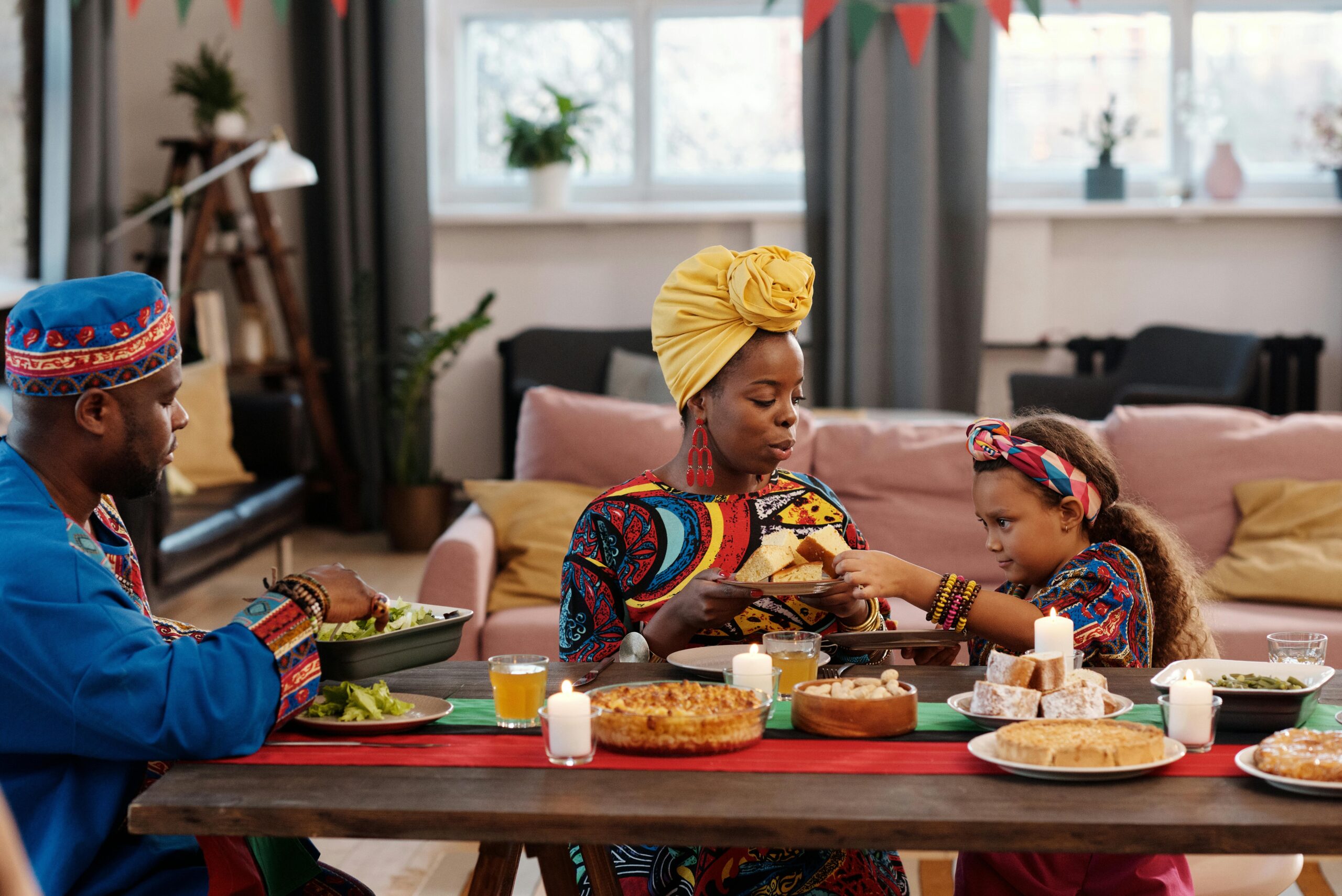
Your Invitation to the Table 🍴
The transformative power of communal feasting awaits activation in every community. Whether you organize an elaborate multicultural festival or simply invite unfamiliar neighbors for dinner, you participate in an ancient practice of bridge-building and peacemaking.
Every shared meal is an act of hope—a statement that despite our differences, we can sit together, nourish ourselves, and recognize our common humanity. In an era of division, this simple act becomes revolutionary.
The table is set, and there’s room for everyone. The question is not whether food can bridge divides and foster harmony—centuries of human experience confirm that it can. The question is whether we will actively create the feasts, extend the invitations, and show up with open hearts.
The ingredients for social transformation are simple: food, space, and willingness. The recipe is proven. All that remains is for us to begin cooking, together, building the more unified and harmonious world we wish to see, one shared meal at a time.
As you finish reading this, consider who you might invite to your table. What bridges might be built over your next meal? What divides could begin to heal through the simple act of breaking bread together? The power is in your hands, waiting to be activated through an invitation, a gathering, and the timeless magic of shared food.
