
Anúncios
Harvest closure feasts represent a timeless tradition that brings communities together to celebrate abundance, hard work, and gratitude for nature’s bounty. 🌾

As the growing season draws to a close and the last crops are gathered from fields and gardens, people around the world pause to acknowledge the fruits of their labor. These celebrations mark not just the end of agricultural cycles, but also serve as powerful reminders of our connection to the land, our heritage, and each other. The tradition of harvest feasts stretches back millennia, woven into the fabric of countless cultures and continuing to evolve in modern times.
Anúncios
Whether you call it a harvest festival, thanksgiving celebration, or autumn gathering, these seasonal feasts share common threads of gratitude, community, and the joy of sharing food grown with care and intention. In today’s fast-paced world, where many have lost touch with agricultural rhythms, harvest closure feasts offer an opportunity to reconnect with seasonal cycles and appreciate where our food comes from.
The Ancient Roots of Harvest Celebrations 🍂
Long before modern agriculture transformed food production, harvest festivals were critical moments in the calendar year. Ancient civilizations recognized that survival depended on successful harvests, making the completion of gathering crops a momentous occasion worthy of celebration and thanksgiving.
Anúncios
The ancient Greeks honored Demeter, goddess of the harvest, with elaborate festivals called Thesmophoria. Romans celebrated Cerelia in honor of Ceres, their grain goddess. Celtic peoples observed Lughnasadh, marking the beginning of the harvest season with communal feasting and games. These ancient traditions acknowledged the divine forces believed to influence crop success while strengthening social bonds through shared meals and festivities.
In Asian cultures, moon festivals and rice harvest celebrations have been observed for thousands of years. The Mid-Autumn Festival in China, Chuseok in Korea, and Tsukimi in Japan all center around harvest themes, featuring special foods, family gatherings, and expressions of gratitude. These traditions demonstrate how universal the impulse to celebrate successful harvests truly is.
Traditional Foods That Define Harvest Feasts
The centerpiece of any harvest closure feast is undoubtedly the food itself—dishes crafted from freshly gathered ingredients that showcase the season’s best offerings. Traditional harvest menus vary widely depending on region, climate, and available crops, but certain themes remain consistent across cultures.
Root vegetables like potatoes, carrots, turnips, and beets feature prominently, as do winter squashes and pumpkins. These hardy crops store well and provide sustenance through colder months, making them symbolic of abundance and security. Grains, particularly wheat, corn, and rice, represent the staple crops that sustained communities throughout history.
Classic Harvest Feast Menu Components
- Roasted meats: Turkey, goose, duck, or pork, representing protein abundance and celebration
- Hearty grains: Bread loaves, cornbread, rice dishes, or grain-based stuffings
- Root vegetable dishes: Mashed potatoes, roasted carrots, glazed turnips
- Squash preparations: Pumpkin pie, butternut squash soup, roasted acorn squash
- Preserved foods: Pickles, jams, chutneys showcasing preservation techniques
- Seasonal fruits: Apple dishes, pear tarts, grape-based desserts
- Warming beverages: Cider, mulled wine, herbal teas from garden herbs
Modern harvest feasts often blend traditional recipes with contemporary cooking techniques and dietary preferences, creating fusion dishes that honor heritage while embracing innovation. Vegetarian and vegan alternatives to classic meat-centered meals have become increasingly popular, proving that harvest celebrations can adapt while maintaining their essential spirit.
Creating Meaningful Harvest Traditions in Modern Life
Even for those living far from working farms, harvest closure feasts offer valuable opportunities to engage with seasonal rhythms and agricultural heritage. Creating personal or family traditions around harvest time doesn’t require acres of farmland—just intention and creativity.
Urban dwellers can visit farmers’ markets to connect with local growers and purchase seasonal produce at peak freshness. Community Supported Agriculture (CSA) programs provide direct links between consumers and farms, making harvest celebrations feel more personal and connected. Many cities now host harvest festivals, farmers’ markets with special autumn events, and community gardens where residents can participate in growing and harvesting.
Practical Ways to Honor Harvest Season
Hosting a harvest closure feast at home begins with menu planning that emphasizes seasonal, locally-sourced ingredients. Visit orchards for apple or pumpkin picking, creating experiential connections to harvest activities. Transform these fresh ingredients into dishes that tell the story of your region’s agricultural bounty.
Decoration plays an important role in setting the atmosphere for harvest celebrations. Natural elements like corn stalks, hay bales, colorful leaves, gourds, and wheat sheaves bring the essence of harvest indoors. These decorations need not be expensive—a walk through nature can provide abundant materials for beautiful, authentic harvest displays.
Consider incorporating gratitude practices into your feast. Many families go around the table sharing what they’re thankful for, connecting the abundance of food with broader appreciation for life’s blessings. This simple ritual transforms a meal into a meaningful ceremony that children and adults alike remember fondly.
The Community Aspect of Harvest Celebrations 🤝
Historically, harvest time was intensely communal. Neighbors helped neighbors bring in crops, with everyone understanding that collective effort ensured community survival. The harvest feast served as both celebration and thank-you, with those who helped reaping the rewards of shared labor through shared food.
This community spirit remains one of harvest feasts’ most valuable aspects. In an era of increasing isolation and digital connection replacing face-to-face interaction, gathering around a table loaded with seasonal foods provides authentic human connection. Breaking bread together—especially when that bread comes from recently harvested grain—creates bonds that transcend everyday interactions.
Many communities have revived or maintained public harvest festivals that bring together diverse groups. These events often feature live music, traditional crafts, agricultural demonstrations, and communal meals. They serve as educational opportunities for younger generations to learn about farming, food production, and cultural heritage while having fun and building community relationships.
Organizing a Community Harvest Feast
Starting a harvest feast tradition in your neighborhood or community group requires coordination but offers tremendous rewards. Begin by identifying a suitable venue—community centers, parks with pavilions, or even rotating between participants’ homes can work well.
Potluck-style feasts where everyone contributes dishes reduce the burden on any single host while showcasing diverse culinary traditions. Encourage participants to bring foods made from seasonal ingredients and share recipes or stories about their dishes. This creates natural conversation starters and educational moments about food traditions.
| Planning Element | Considerations | Timeline |
|---|---|---|
| Venue Selection | Indoor/outdoor space, capacity, accessibility, kitchen facilities | 6-8 weeks before event |
| Date Setting | Traditional harvest timing, community availability, weather considerations | 8-10 weeks before event |
| Food Coordination | Dietary restrictions, variety balance, preparation requirements | 3-4 weeks before event |
| Activities Planning | Music, games, crafts, educational components | 4-5 weeks before event |
| Decoration Preparation | Natural materials, seasonal themes, sustainable options | 1-2 weeks before event |
Teaching Children About Harvest Traditions 🌽
Passing harvest traditions to younger generations ensures these meaningful practices continue while teaching valuable lessons about food, gratitude, and community. Children naturally enjoy hands-on activities, making harvest season perfect for experiential learning.
Involving children in food preparation for harvest feasts creates lasting memories and practical skills. Age-appropriate tasks like washing vegetables, stirring ingredients, decorating tables, or arranging autumn centerpieces help children feel invested in the celebration. As they work, share stories about family food traditions or explain the agricultural processes that brought ingredients to your kitchen.
Consider creating a harvest journal where children can document the season through drawings, pressed leaves, recipes, or written observations. This becomes a treasured keepsake that connects them to annual cycles and family traditions. Some families plant a small garden specifically to have something to harvest and celebrate together, providing tangible understanding of the growing process from seed to table.
Sustainability and Harvest Feasts in the Modern Era ♻️
Contemporary harvest celebrations offer opportunities to embrace sustainable practices that honor both tradition and environmental stewardship. The original spirit of harvest feasts—gratitude for nature’s provision and mindful use of resources—aligns perfectly with modern sustainability concerns.
Sourcing ingredients locally and seasonally reduces carbon footprints while supporting regional agriculture. Choosing organic produce when possible minimizes pesticide use and supports soil health. Planning portions carefully to minimize food waste honors the effort required to grow food while reducing environmental impact.
Composting food scraps from feast preparation and leftovers returns nutrients to the earth, completing the agricultural cycle. Using reusable decorations, cloth napkins instead of paper, and real dishes rather than disposables reduces waste while often creating more beautiful, authentic settings.
Zero-Waste Harvest Feast Strategies
Challenge yourself to create a harvest feast that generates minimal waste. Use every part of vegetables when possible—carrot tops for pesto, broccoli stems for soups, squash seeds for roasting. Save vegetable scraps to make flavorful stock. Preserve abundance through canning, freezing, or drying to extend harvest enjoyment throughout winter months.
Send guests home with leftovers in reusable containers they can return later, ensuring delicious food gets eaten rather than wasted. Share surplus ingredients with neighbors, food banks, or community organizations. These practices embody the generosity and community spirit central to harvest traditions while addressing contemporary food security concerns.
Regional Variations in Harvest Closure Celebrations
The beauty of harvest traditions lies partly in their regional diversity. Different climates, crops, and cultural influences create unique celebrations that reflect local identity while sharing universal themes of gratitude and abundance.
In North America, Thanksgiving in the United States and Canada represents the most widely recognized harvest feast, though timing and some traditions differ between countries. The iconic turkey dinner with cranberry sauce, stuffing, and pumpkin pie has become symbolic, though regional variations include local specialties.
European harvest festivals range from Germany’s Erntedankfest with decorated harvest crowns to Britain’s Harvest Festival services in churches adorned with produce. Wine harvest festivals in France, Italy, and Spain celebrate grape harvests with particular fervor, recognizing viticulture’s cultural and economic importance.
In Africa, yam festivals in West African countries mark harvest season with elaborate ceremonies, traditional dances, and communal feasting. These celebrations honor ancestors while reinforcing cultural identity and community bonds. Asian harvest celebrations like Vietnam’s Tet Trung Thu or India’s Pongal festival incorporate religious elements, special foods, and family gatherings specific to regional traditions.
Reviving Lost Traditions and Creating New Ones
Many families discover that previous generations observed harvest traditions that have since faded. Researching family history, interviewing older relatives, or exploring ethnic heritage can uncover forgotten customs worth reviving. These rediscovered traditions provide meaningful connections to ancestry while enriching contemporary celebrations.
Don’t hesitate to create new traditions that reflect your values, interests, and circumstances. Perhaps your harvest feast includes a nature walk to observe seasonal changes, a gratitude ceremony unique to your family, or service projects that share abundance with those in need. New traditions become meaningful through consistent practice and the memories created around them.
Blending old and new creates harvest celebrations that honor the past while remaining relevant to present lives. This evolution keeps traditions alive and adaptable rather than preserved as static rituals that lose meaning over time.
The Spiritual Dimension of Harvest Gratitude 🙏
Across cultures and religions, harvest celebrations incorporate spiritual elements that acknowledge forces beyond human control influencing crop success. Whether attributing abundant harvests to deity favor, natural cycles, or simple good fortune, recognizing something larger than ourselves remains central to harvest feast traditions.
For religious families, harvest feasts provide natural opportunities to express faith through prayer, thanksgiving services, or religious rituals specific to their traditions. Secular celebrations can incorporate moments of reflection, meditation, or mindfulness practices that serve similar purposes of pausing to appreciate abundance and acknowledge uncertainty inherent in agriculture and life.
The act of gathering with others to share food grown from the earth contains inherent spirituality—recognizing interconnection between humans, nature, and the cycles that sustain life. This spiritual dimension need not be explicitly religious to provide depth and meaning to harvest celebrations.
Looking Forward: The Future of Harvest Traditions
As agriculture continues evolving with technology, climate change, and shifting demographics, harvest celebrations adapt while maintaining core values of gratitude, community, and connection to food sources. Urban farming, vertical agriculture, and year-round growing extend growing seasons and complicate traditional harvest timing, yet the impulse to celebrate successful cultivation remains strong.
Growing interest in sustainable living, farm-to-table movements, and food system awareness suggests harvest traditions may experience renewed relevance. As more people seek meaningful connections to food sources and seasonal rhythms, harvest closure feasts offer accessible entry points to deeper engagement with how we eat and live.
The pandemic years demonstrated the importance of traditions that bring people together safely and celebrations rooted in essential activities like food. Harvest feasts, whether intimate family dinners or larger community gatherings, provide this grounding in uncertain times while celebrating resilience and abundance.
Future harvest celebrations will likely continue blending traditional elements with contemporary concerns—plant-based dishes alongside classic recipes, sustainable practices integrated into planning, digital tools used to coordinate gatherings while the gatherings themselves remain decidedly analog and personal. This evolution ensures harvest traditions remain living practices rather than historical curiosities.
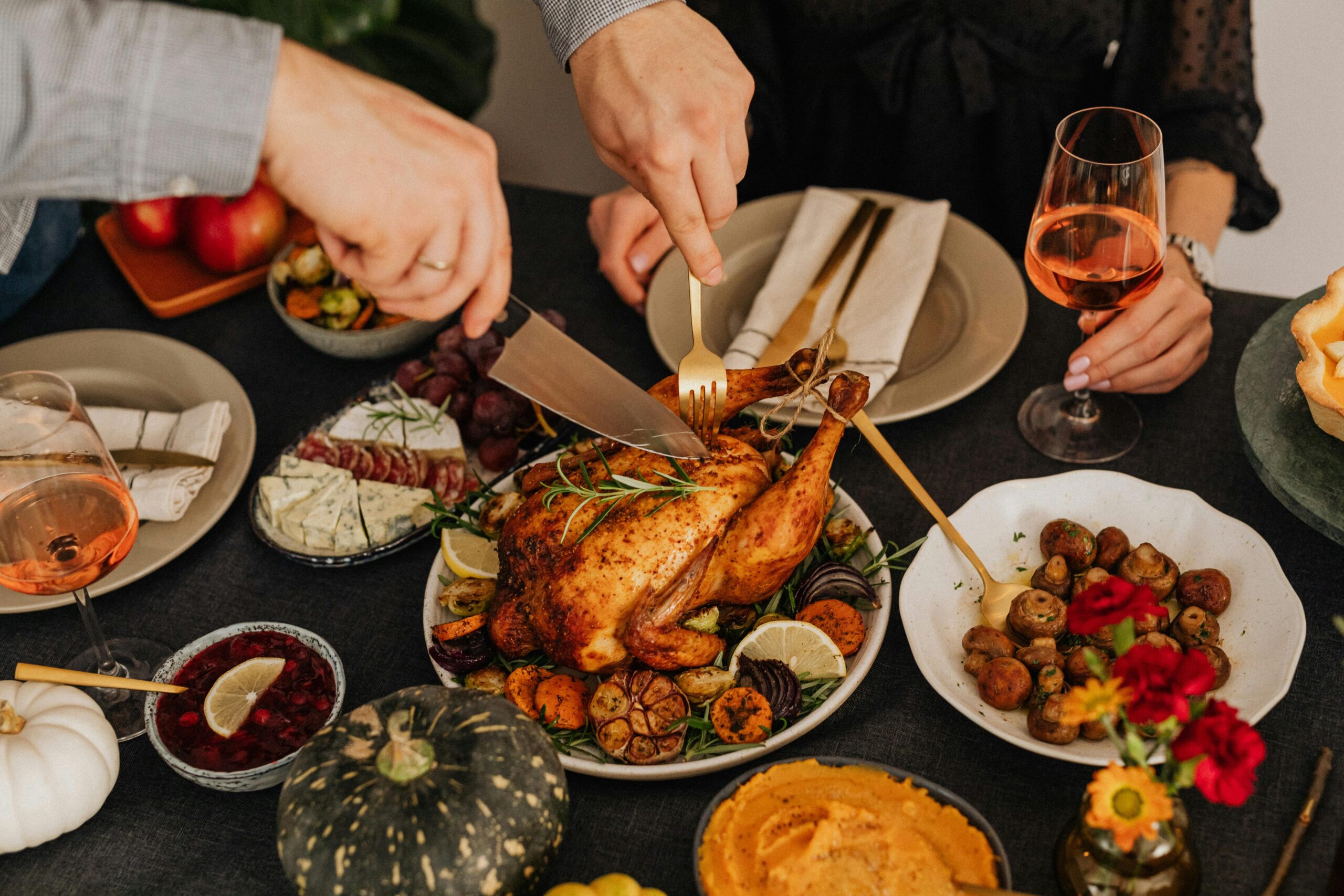
Bringing It All to Your Table 🍽️
The true magic of harvest closure feasts lies not in elaborate preparations or perfect execution, but in the intention behind gathering. Whether your celebration involves dozens of guests or just your immediate household, whether you prepare an elaborate multi-course meal or simple seasonal dishes, the act itself carries meaning.
Start where you are with what you have. Perhaps this year means simply choosing seasonal ingredients for a weeknight dinner while expressing gratitude for the food before you. Next year might expand to inviting neighbors for a potluck harvest celebration. The following year could involve planting a small garden so you harvest vegetables for your feast. Traditions grow from small beginnings, gaining richness through repetition and evolution.
Remember that harvest feasts celebrate not just abundance but also the effort required to create it—the farmers who tended crops, the hands that prepared food, the community that gathers to share. In honoring these elements, we participate in a tradition connecting us to countless generations before and hopefully many more to come.
As you savor the season and celebrate the joy and tradition of harvest closure feasts, you’re participating in something profoundly human—pausing amid busy lives to acknowledge blessings, share abundance, and strengthen the ties that bind communities together. In our modern world of convenience and disconnection, these simple acts of gathering, gratitude, and breaking bread together become radical acts of presence and appreciation. That’s a tradition worth celebrating. 🌻
