
Anúncios
Every decision we make draws invisible lines in our lives—boundaries beyond which we cannot return, thresholds that redefine everything that follows.

These symbolic no-return zones exist everywhere in human experience. They’re the moments when we choose one career over another, commit to a relationship, relocate to a new city, or speak words that can never be unspoken. Unlike physical boundaries, these demarcations live in our consciousness, yet they possess remarkable power to shape our psychology, limit our options, and determine our trajectories.
Anúncios
Understanding these invisible boundaries offers profound insights into human behavior, decision-making psychology, and the architecture of life paths. When we recognize these zones, we gain clarity about why certain choices feel so weighty, why some opportunities vanish forever, and how our past decisions continue to influence our present possibilities.
🔍 The Psychological Architecture of No-Return Zones
No-return zones function as psychological thresholds—points of transition where our reality fundamentally shifts. Once crossed, these boundaries alter our available choices, our identity, and our relationship with possibility itself. Unlike temporary decisions that can be reversed or modified, these zones represent fundamental transformations in our life structure.
Anúncios
The concept draws from multiple disciplines. Behavioral economics recognizes these as commitment points where sunk costs become psychologically irretrievable. Developmental psychology identifies critical periods where certain capacities must be developed or remain underdeveloped permanently. Existential philosophy examines how our choices eliminate alternate futures, creating the specific life we inhabit.
What makes these boundaries particularly fascinating is their invisible nature. They carry no physical markers, no warning signs, no tangible evidence of their existence. Yet their effects ripple through time, constraining and enabling different futures based on which side of the boundary we occupy.
The Temporal Dimension of Irreversibility
Time itself creates many no-return zones. Biological clocks impose boundaries on reproduction, athletic performance, and neuroplasticity. Career windows open and close based on age, experience, and market conditions. Educational pathways often have entry points that become inaccessible after certain ages or stages.
These temporal boundaries interact with our decisions in complex ways. A choice to delay parenthood eventually collides with biological realities. A decision to pursue one career path creates expertise that becomes increasingly difficult to abandon as years accumulate. Time transforms flexible options into rigid constraints, creating no-return zones through simple progression.
💼 Professional No-Return Zones and Career Trajectories
Career paths are dense with invisible boundaries that permanently alter professional possibilities. When a young lawyer becomes a partner at a prestigious firm, they cross a threshold that makes returning to other career options psychologically and practically difficult. The identity shift, financial commitments, and opportunity costs create a boundary that feels almost impossible to recross.
Similarly, the decision to pursue entrepreneurship over traditional employment creates a no-return zone. Once someone has experienced the autonomy, risk, and potential rewards of building their own venture, the psychological architecture changes. Many entrepreneurs find they can never comfortably return to employee status—not because it’s impossible, but because they’ve crossed an internal boundary.
Professional specialization creates particularly powerful no-return zones. A physician who spends a decade specializing in cardiology cannot easily pivot to become a software engineer. The invested time, developed identity, and accumulated expertise create boundaries that make radical career shifts feel like abandoning one’s entire professional self.
The Credibility Threshold
Public professional positions create especially rigid no-return zones. When someone publicly stakes their reputation on a particular stance, strategy, or prediction, they cross a credibility threshold. Reversing course requires not just changing direction but acknowledging error, which carries significant psychological and social costs.
This dynamic explains why experts sometimes defend positions long after evidence suggests reconsideration. The no-return zone isn’t the original decision—it’s the public commitment that makes reversal feel like identity destruction rather than simple course correction.
❤️ Relational Boundaries That Reshape Connections
Relationships generate some of the most emotionally charged no-return zones. The decision to marry, to have children, to end a friendship, or to betray trust—these moments create boundaries that fundamentally alter relational landscapes. Even when physical circumstances allow return, the psychological terrain has permanently shifted.
Trust violations exemplify this dynamic powerfully. Once trust is broken in a relationship, even if forgiveness occurs, the relationship never truly returns to its previous state. A new relationship emerges—potentially stronger, potentially weaker, but fundamentally different. The pre-betrayal relationship exists only in memory; the boundary has been crossed.
The choice to reveal deeply personal information creates similar irreversibility. Once vulnerability is expressed, the relationship transforms. The other person now carries knowledge that cannot be unknown, creating a new relational reality that cannot regress to its previous state.
Family System Transformations
Family dynamics contain particularly powerful no-return zones. The birth of a child creates an absolute boundary—one becomes a parent permanently, with all the identity shifts, responsibilities, and emotional bonds that entails. Even in cases of estrangement or adoption, the psychological fact of parenthood persists.
Similarly, family estrangements often create boundaries that prove difficult or impossible to fully reverse. Years of separation create individual growth, changed circumstances, and evolved identities that make genuine return to previous dynamics nearly impossible. Reconciliation creates a new relationship rather than restoring the old one.
🧠 Identity Thresholds and Personal Transformation
Perhaps the most profound no-return zones involve identity transformation. When someone publicly comes out regarding sexual orientation or gender identity, they cross a threshold that fundamentally alters their social reality. The closet, once exited, cannot be truly re-entered—the knowledge is released into social space.
Recovery from addiction creates similar boundaries. When someone identifies as “in recovery,” they’ve crossed an identity threshold that reframes their relationship with substances permanently. Even lifelong abstinence doesn’t return them to the identity of someone who was never addicted—instead, they occupy a transformed identity category.
Religious conversion, political awakening, or philosophical transformation can create identity no-return zones. Once someone has experienced a fundamental shift in worldview, they cannot genuinely return to their previous perspective. They might change views again, but the original naive state is permanently inaccessible.
The Knowledge Boundary
Certain knowledge creates irreversible psychological boundaries. Learning a painful truth about someone you love, discovering a betrayal, or understanding a previously hidden injustice—these realizations cannot be unlearned. The innocence or ignorance that existed before crossing this boundary is permanently lost.
This explains why some people avoid certain information. They intuitively recognize that knowledge will create a no-return zone, forcing difficult decisions or uncomfortable awareness they prefer to avoid. The boundary isn’t just about information—it’s about the transformed self that emerges from knowing.
💰 Financial No-Return Zones and Economic Decisions
Financial decisions create tangible no-return zones with lasting consequences. The choice to take on significant debt for education, purchasing property, or starting a business creates economic boundaries that constrain future options for years or decades. These aren’t merely financial obligations—they’re psychological structures that shape daily decisions and long-term possibilities.
Retirement savings decisions involve time-sensitive no-return zones. The power of compound interest means that early contributions have exponentially greater impact than later ones. Choosing not to save in one’s twenties creates a boundary where certain retirement outcomes become mathematically impossible without dramatic later interventions.
Major purchases like homes create particularly complex no-return zones. Beyond the financial commitment, they anchor location, influence social networks, and shape lifestyle in ways that become increasingly difficult to reverse as time passes and roots deepen.
Economic Identity Transitions
Socioeconomic transitions create psychological no-return zones around class identity. Someone who achieves significant financial success often cannot psychologically return to their previous relationship with scarcity, even if financial circumstances later change. The experience of security creates knowledge and expectations that persist beyond specific economic conditions.
Similarly, experiencing poverty or financial crisis creates lasting psychological imprints. Even after financial recovery, the experience of insecurity often generates permanent changes in risk tolerance, spending behavior, and relationship with money.
🌍 Geographic and Cultural Boundaries
Migration and relocation create powerful no-return zones. While physical return is usually possible, the person who left is not the person who might return. Time abroad transforms perspectives, values, and identity in ways that make genuine return to one’s previous life impossible.
This phenomenon is often called “reverse culture shock”—the discovery that home has changed, you have changed, and the relationship between self and place has fundamentally shifted. The boundary isn’t geographic; it’s psychological and temporal.
Immigration creates even more definitive boundaries. Language acquisition, cultural adaptation, and identity reformation in a new country generate transformations that make true return impossible. Second-generation immigrants often occupy a liminal space—unable to fully return to their parents’ culture or completely integrate into their new one, they inhabit the boundary itself.
🎯 Recognizing No-Return Zones Before Crossing Them
The strategic value of understanding no-return zones lies in recognition before crossing them. Certain decisions warrant extraordinary consideration precisely because they create irreversible boundaries. This doesn’t mean avoiding such decisions—many of life’s most meaningful experiences require crossing these thresholds—but rather approaching them with appropriate gravity.
Key indicators suggest you’re approaching a no-return zone:
- The decision involves significant resource commitment (time, money, reputation) that cannot be easily recovered
- The choice fundamentally alters your identity or how others perceive you
- Reversal would require not just changing circumstances but denying or rejecting part of your experience
- The decision eliminates entire categories of future options rather than merely making one choice difficult
- You feel a quality of weight or significance that exceeds the practical details of the decision
This recognition allows for appropriate decision-making processes. Choices that create no-return zones deserve extended reflection, consultation with experienced others, and honest examination of values and priorities.
The Paradox of Commitment
Interestingly, the existence of no-return zones enables certain positive outcomes. Commitment generates value precisely because it’s not easily reversible. Marriage vows carry meaning because they’re intended to create a boundary. Educational investments pay off because they represent irreversible specialization.
Without no-return zones, commitment would be impossible and its benefits inaccessible. The boundaries that constrain also enable. They force us to work through difficulties rather than constantly reverting to previous states. They create the conditions for deep expertise, lasting relationships, and meaningful identity.
🔄 Navigating Life After Crossing the Boundary
Once a no-return zone has been crossed, psychological adjustment requires acknowledging the boundary rather than pretending it doesn’t exist. Regret often stems not from the choice itself but from failure to accept its irreversibility, leading to chronic rumination about roads not taken.
Acceptance doesn’t mean eliminating all feelings about what was lost. It means integrating the reality that certain options are no longer available and redirecting energy toward possibilities that remain. This psychological shift—from defending the decision or regretting the loss to exploring the new landscape—marks successful navigation of a no-return zone.
Some strategies for thriving after crossing significant boundaries include:
- Deliberately investing in the chosen path rather than maintaining one foot in the abandoned option
- Seeking community among others who’ve crossed similar boundaries and can normalize the experience
- Reframing the boundary as generative rather than merely restrictive—focusing on what it enables rather than only what it forecloses
- Practicing self-compassion about the decision-making process while accepting outcomes
- Finding meaning in the transformed identity rather than mourning the previous self
🌟 The Wisdom Hidden in Invisible Boundaries
Symbolic no-return zones reveal deep truths about human existence. We are fundamentally temporal beings whose choices accumulate into identities, relationships, and circumstances that cannot be undone. This reality could be viewed as tragic—a progressive narrowing of possibilities as decisions eliminate alternatives.
Yet these boundaries also create the structure that makes meaningful life possible. Without irreversibility, there would be no real stakes, no genuine commitment, no lasting achievement. The boundaries that limit also define, shape, and give substance to our lives.
The anxiety many people feel when approaching major decisions reflects intuitive recognition of these boundaries. The “weight” of certain choices isn’t irrational—it’s appropriate response to genuine irreversibility. Rather than trying to eliminate this discomfort, we might honor it as our psyche’s way of marking significance.
Understanding no-return zones cultivates both courage and humility. Courage, because recognizing the stakes helps us approach important decisions with appropriate seriousness rather than avoidance. Humility, because acknowledging that some boundaries cannot be uncrossed helps us extend compassion to ourselves and others for irreversible choices.
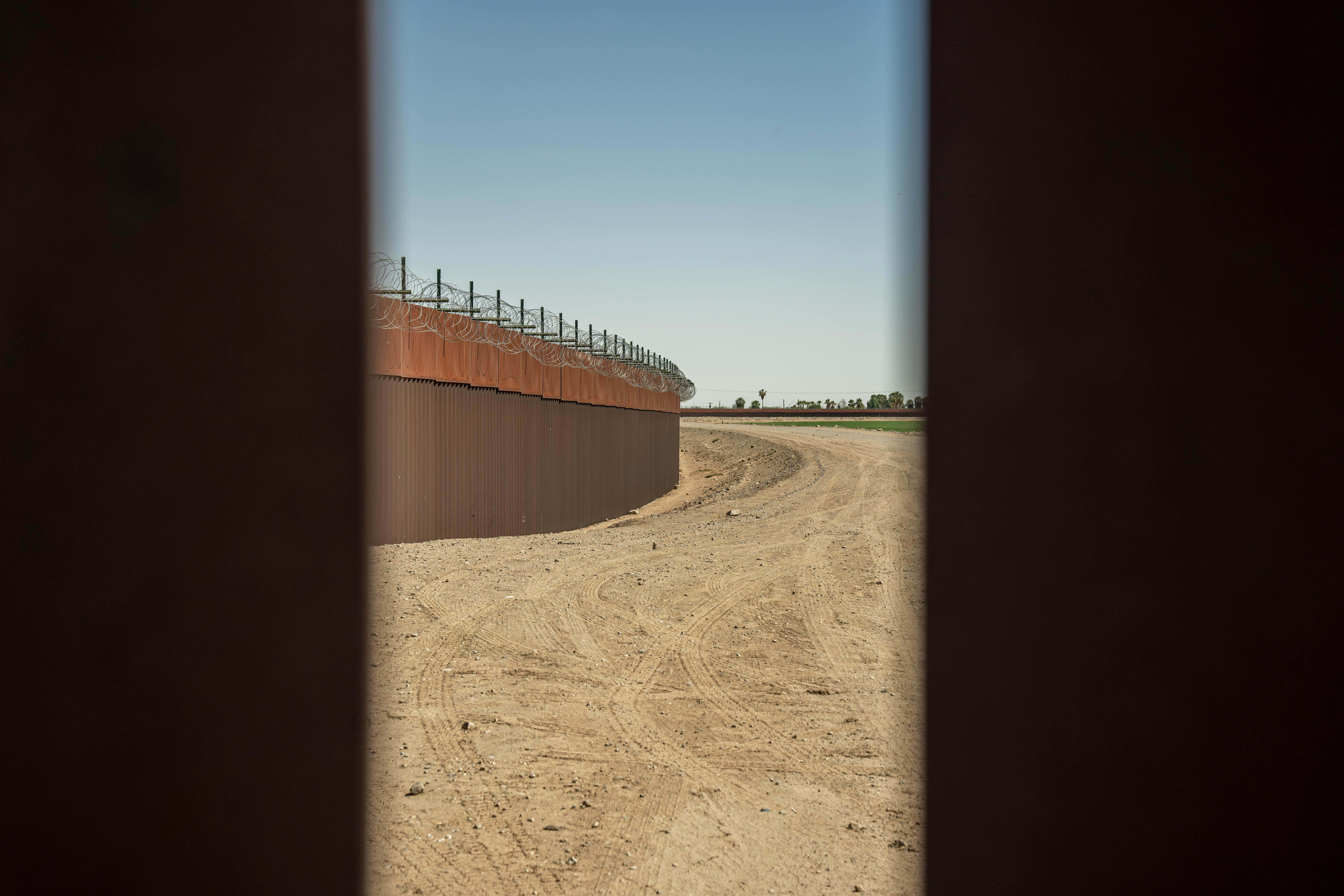
🎭 Living Consciously Within the Boundaries
The practical application of understanding no-return zones involves developing greater consciousness about the boundaries we create through our choices. This awareness manifests in several ways: more deliberate decision-making at threshold moments, greater acceptance of past boundaries we’ve already crossed, and more realistic expectations about what changes are truly possible versus which require accepting current realities.
This consciousness doesn’t mean paralysis in the face of important decisions. Rather, it means approaching them with eyes open to their irreversible nature, making choices aligned with deep values rather than fleeting impulses, and then fully committing to the path beyond the boundary.
The invisible boundaries that shape our decisions, change our paths, and define our futures aren’t obstacles to overcome or limitations to transcend. They’re fundamental features of temporal existence. By recognizing them, we gain clarity about the true nature of choice and consequence. By accepting them, we free ourselves from the exhausting fantasy of infinite flexibility. And by working creatively within them, we discover that boundaries don’t just constrain—they also concentrate our energy, deepen our commitments, and give our lives coherence and meaning.
Every boundary crossed is simultaneously a door closing and a path opening. The wisdom lies not in avoiding all no-return zones—that would mean avoiding life itself—but in crossing them consciously, choosing which futures to eliminate in service of which futures to create. In the end, the invisible boundaries we navigate don’t just shape our decisions; they reveal what we value most deeply and who we’re becoming through the choices only we can make. 🚪✨
